
Discovering Oranjekerk:
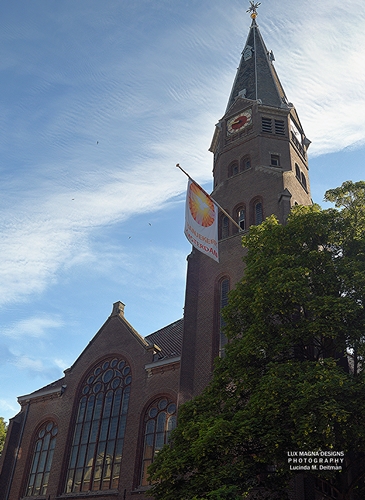
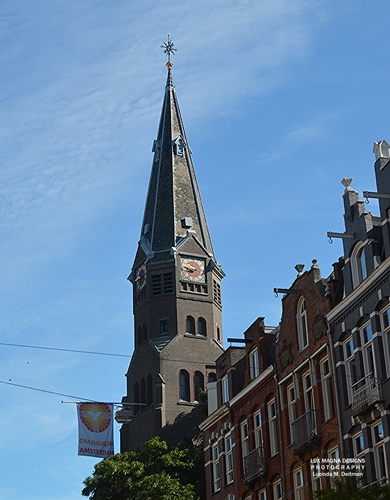
Nestled in the vibrant and eclectic neighborhood of Amsterdam-Oost, Oranjekerk (Orange Church) stands as a charming and often overlooked architectural gem. With its striking neo-Gothic design, tranquil atmosphere, and rich cultural history, Oranjekerk offers visitors a peaceful escape from the bustling streets of Amsterdam. Whether you’re a lover of architecture, history, or simply seeking a quiet place to reflect, Oranjekerk is well worth a visit.
The History of Oranjekerk
Oranjekerk was built between 1893 and 1895, designed by architect H.A.J. Baanders in the neo-Gothic style. The church was constructed as a response to the growing population in the eastern part of Amsterdam during the late 19th century. At the time, Amsterdam was experiencing rapid urbanization, and a new place of worship was needed to serve the local community.
The church was originally named after the Dutch royal family, the House of Orange-Nassau, which is still reflected in the name “Oranjekerk.” The royal connection was a gesture of loyalty and respect for the monarchy, and the church became a significant symbol of Dutch national pride. Today, Oranjekerk remains a place of worship and community for the residents of Amsterdam-Oost and beyond.
Architectural Beauty of Oranjekerk
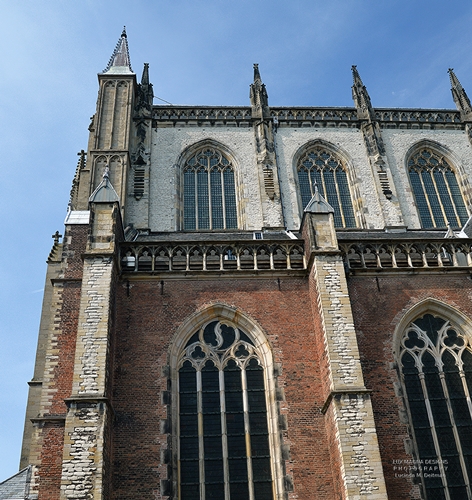
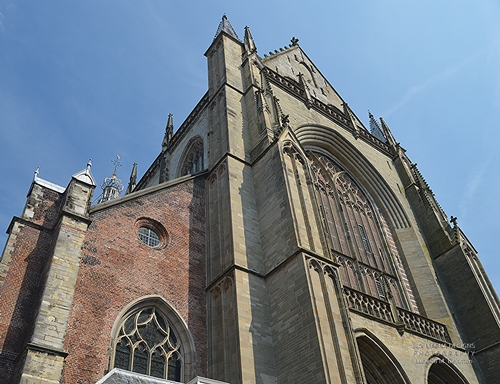
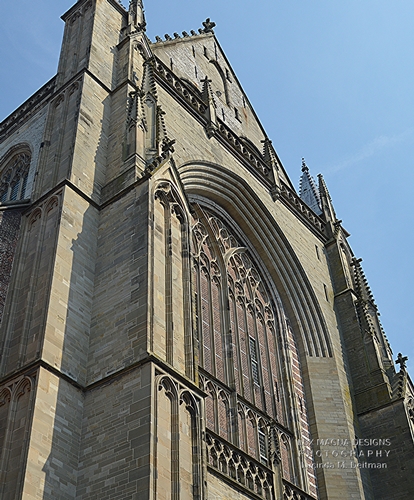
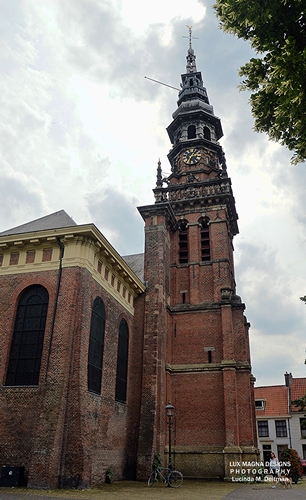
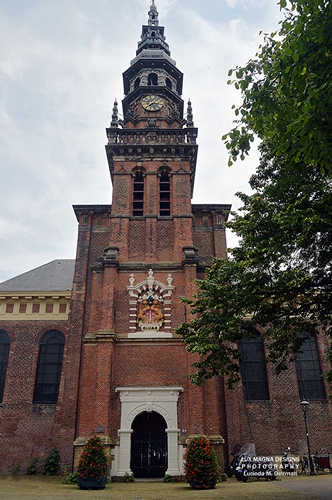
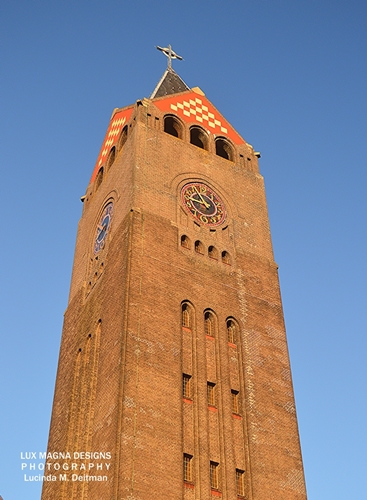
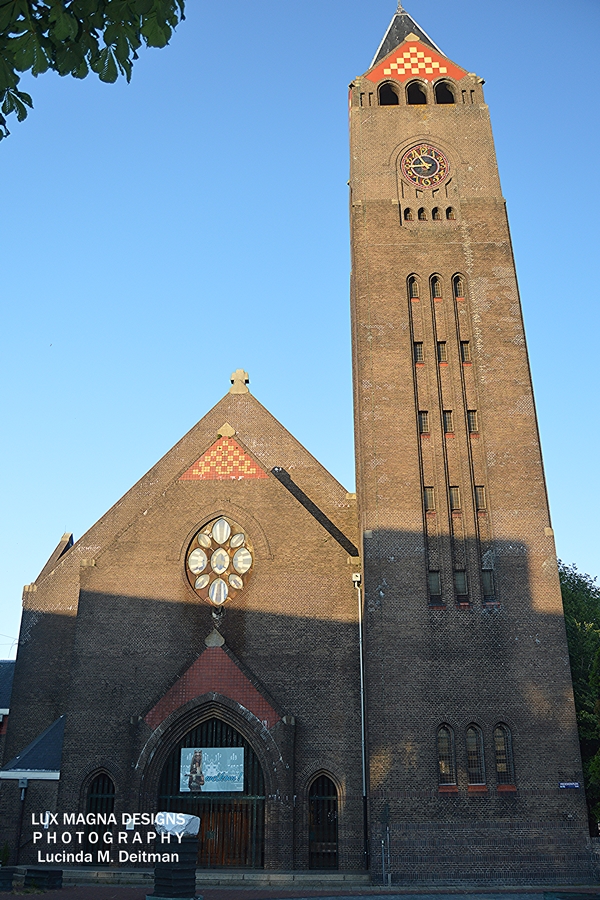
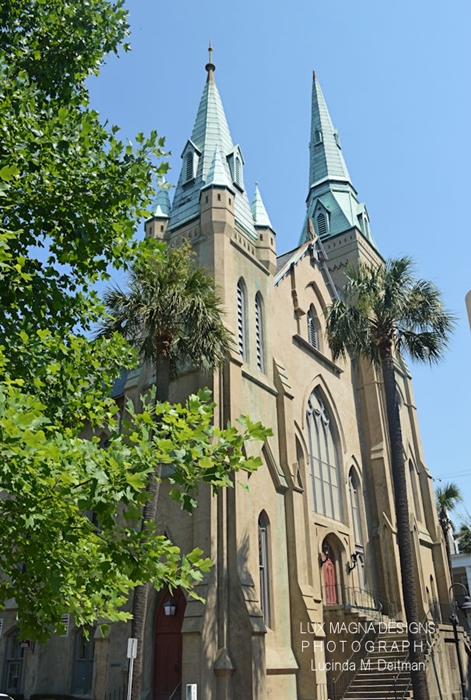
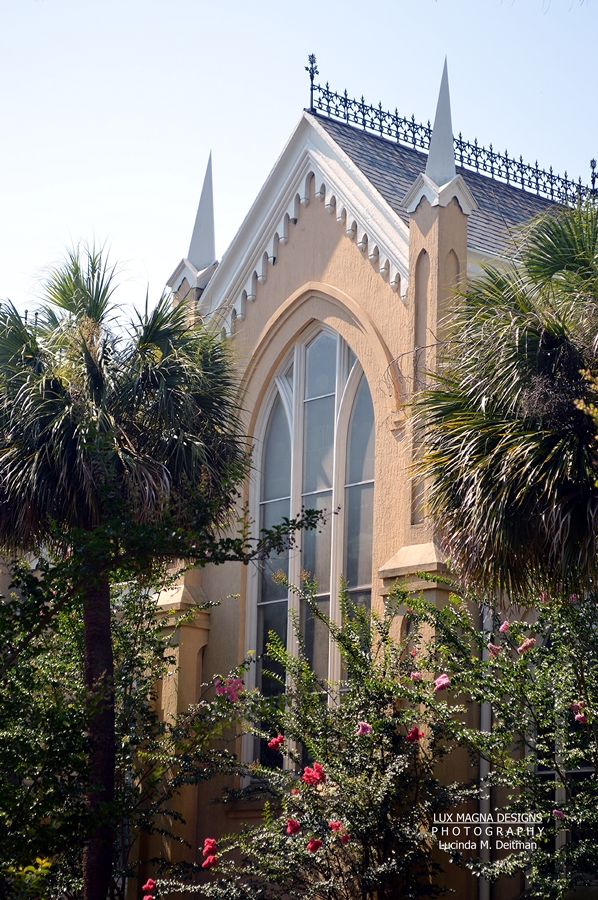
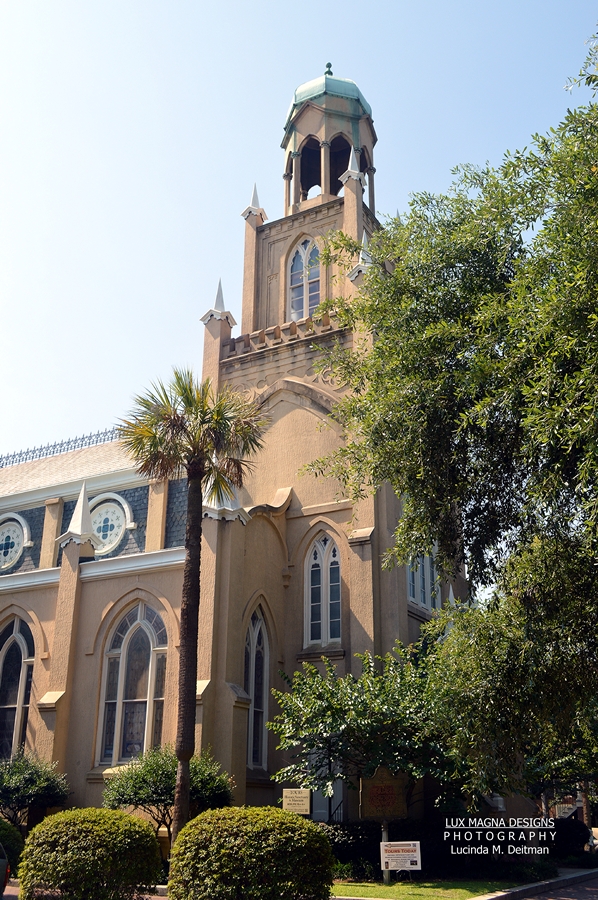
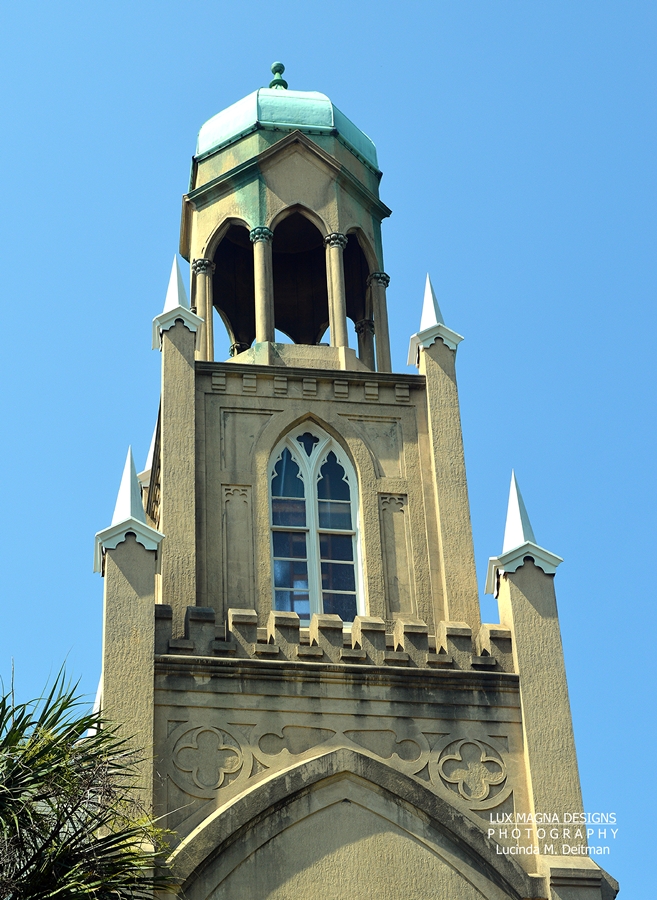
The architectural design of Oranjekerk is one of its most captivating features. The church is built in the neo-Gothic style, which was popular in the late 19th century and characterized by pointed arches, ribbed vaults, and flying buttresses. The church’s towering spire rises majestically above the neighborhood, drawing the eye to its intricate stonework and stained-glass windows.
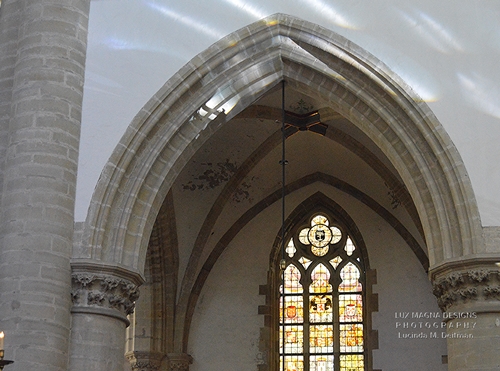
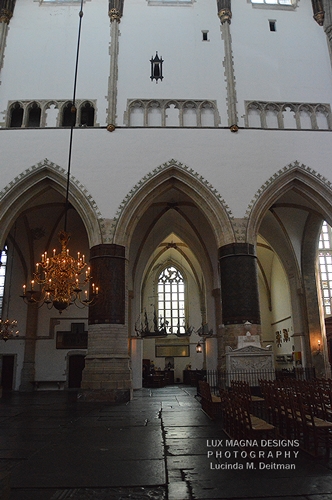
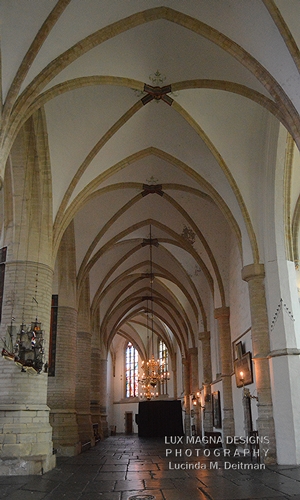
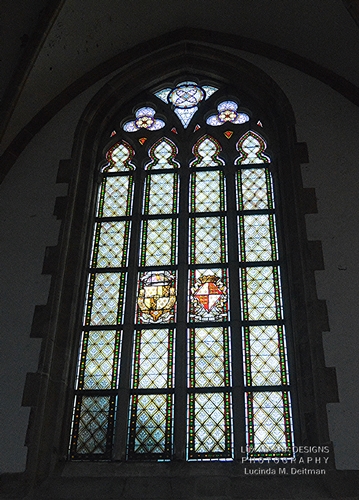
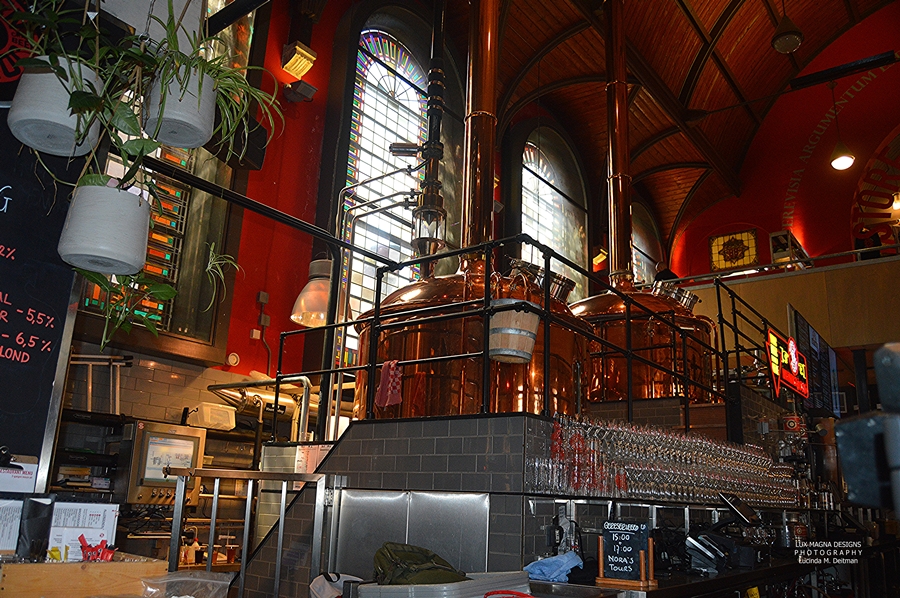
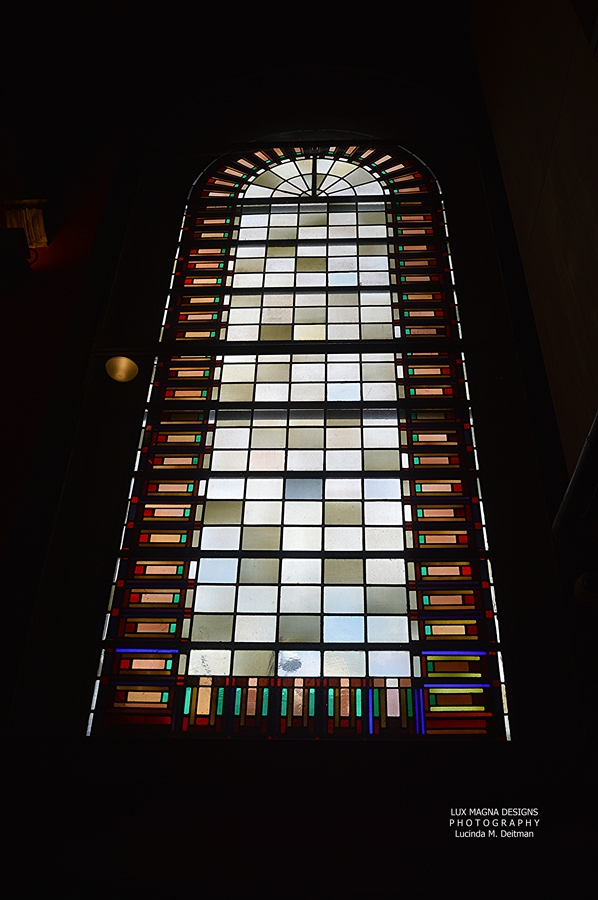
The interior of Oranjekerk is just as impressive as its exterior. Inside, the soaring ceilings and stunning stained-glass windows create a peaceful and awe-inspiring atmosphere. The windows, many of which depict biblical scenes, flood the interior with natural light, creating a serene ambiance perfect for contemplation or simply appreciating the craftsmanship.
One of the most striking features of Oranjekerk is its organ, a magnificent instrument that was installed in 1895. The organ, with its beautiful pipes and intricate design, remains a centerpiece of the church’s musical life and is regularly used in concerts and services.
Cultural and Community Importance
While Oranjekerk is primarily known for its religious functions, it has also become a center for culture and community within the area. Over the years, the church has hosted various events, from classical music concerts to art exhibitions, making it an integral part of the cultural landscape in Amsterdam-Oost.
The church is also a key part of the local community. In recent years, it has become a popular venue for local gatherings, spiritual events, and social activities. Its welcoming atmosphere and commitment to supporting the local community make it a special place for residents and visitors alike.
Photography Opportunities at Oranjekerk
Oranjekerk offers photographers plenty of opportunities to capture its beauty and tranquility. The church’s striking neo-Gothic exterior is perfect for wide-angle shots, especially with the dramatic backdrop of the Amsterdam-Oost skyline. The towering spire, intricate stonework, and detailed façade make it a great subject for architectural photography.
Inside the church, the stained-glass windows are a photographer’s dream. The soft, colorful light filtering through the glass creates a magical atmosphere, ideal for capturing the interplay of light and shadow. The high ceilings, ornate organ, and sweeping lines of the interior offer numerous angles for capturing the grandeur and serenity of the space.
If you’re lucky enough to catch one of the church’s musical performances, photographing the organ or capturing the performance in the space can provide a unique perspective on the church’s cultural significance.
Visiting Oranjekerk
Oranjekerk is located in Amsterdam-Oost, an area that is fast becoming one of the city’s most dynamic and vibrant neighborhoods. The church itself is easily accessible by public transport, with several trams and buses passing nearby. It’s also just a short walk from the popular Oosterpark, making it a perfect stop for those exploring this part of the city.
If you plan to visit, it’s worth checking out the church’s schedule in advance, as it often hosts concerts, services, and other community events. The church is also a great place for a quiet moment of reflection, away from the crowds in the city center.
For photographers, visiting Oranjekerk offers an opportunity to capture a quieter, more intimate side of Amsterdam. It’s a hidden gem that showcases the city’s rich architectural and cultural heritage.
Conclusion
Whether you’re seeking to admire stunning neo-Gothic architecture, enjoy a peaceful moment of reflection, or explore one of Amsterdam’s lesser-known cultural gems, Oranjekerk offers something special for every visitor. Its historical significance, architectural beauty, and vibrant role in the community make it a must-visit for those looking to experience a different side of Amsterdam, away from the usual tourist attractions.
So, next time you find yourself in Amsterdam, take a detour to the Oranjekerk in Amsterdam-Oost, where history, culture, and serenity blend seamlessly together, offering a unique and enriching experience.
Photography Tips for Oranjekerk:
- Golden Hour: Capture the church’s exterior during the early morning or late afternoon when the light enhances its neo-Gothic features.
- Interior Shots: Focus on the stained-glass windows, especially when the sun is low, as it creates beautiful light patterns inside.
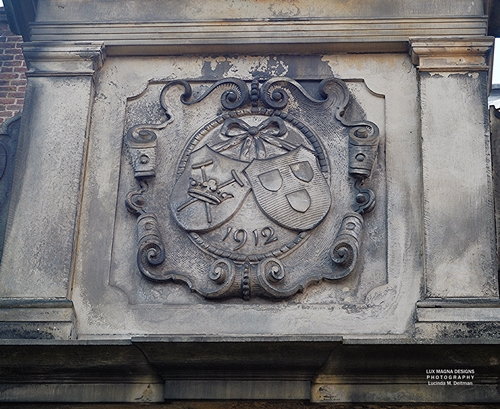
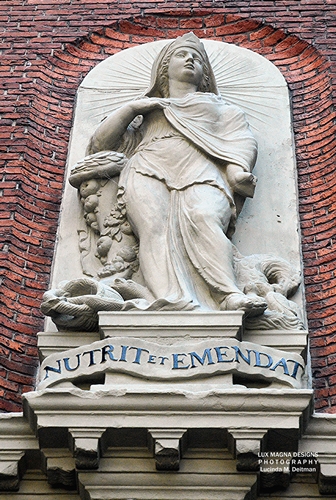
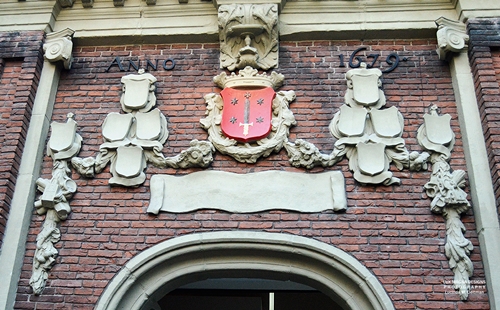
- Details: Don’t forget to photograph the intricate stone carvings, the organ, and the sweeping arches of the church’s interior.







































































 Lux Magna Designs