
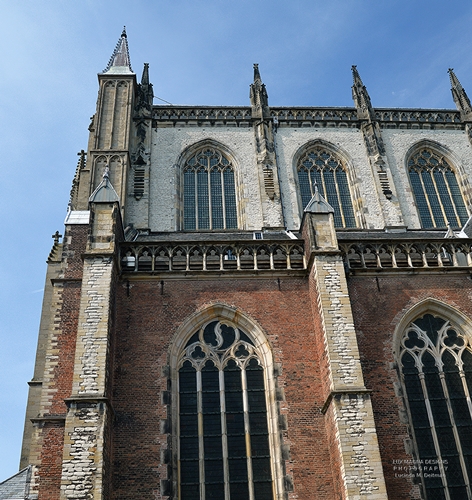
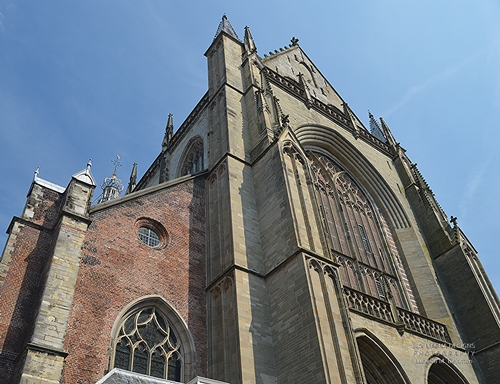
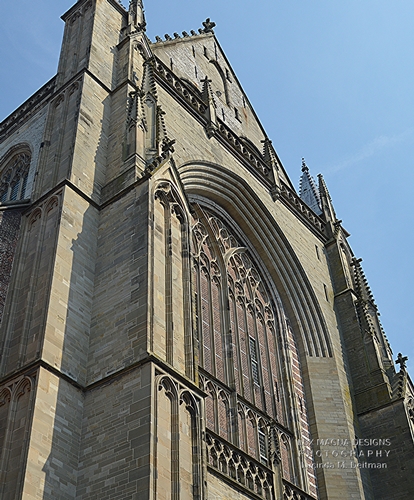
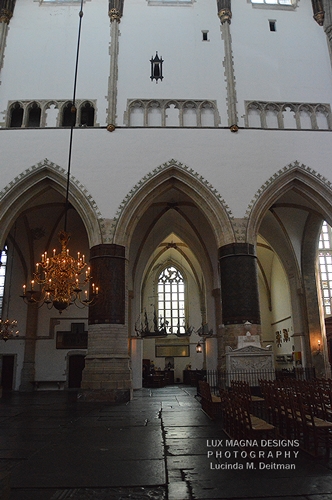
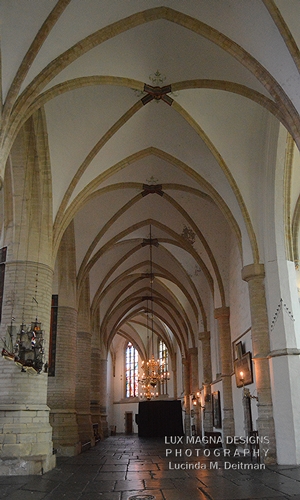
St. Bavo’s Church in Haarlem, Netherlands, is a masterpiece of Gothic and Renaissance architecture with a fascinating history. Officially known as the Grote Kerk, this majestic church dates back to the 14th century, although it has undergone several renovations over the years. The exterior showcases intricate brickwork, flying buttresses, and towering spires that make it a quintessential example of medieval Dutch craftsmanship. Its imposing presence dominates Haarlem’s skyline and serves as a symbol of the city’s cultural and spiritual heritage.
Inside the church lies one of its most extraordinary features: the Müller organ. Built in 1738 by Christian Müller, this organ is renowned for its size and sound quality, standing at an impressive 30 meters (98 feet) tall with over 5,000 pipes. It has been played by some of history’s greatest musicians, including Wolfgang Amadeus Mozart and George Frideric Handel. The organ’s ornate design, with gilded angels and detailed woodwork, complements the church’s serene ambiance.
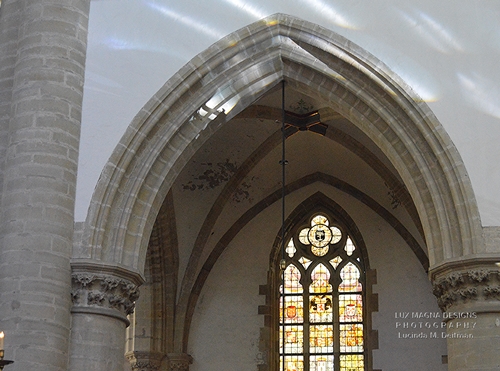
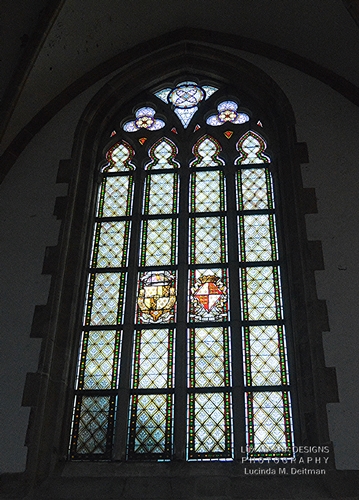
Adding to the splendor are the stained glass windows, which depict Biblical scenes and historical figures in vivid detail. These windows bathe the interior in a kaleidoscope of colors as sunlight streams through, enhancing the spiritual and artistic atmosphere. Together, the architecture, organ, and stained glass make St. Bavo’s Church a true treasure of Haarlem.












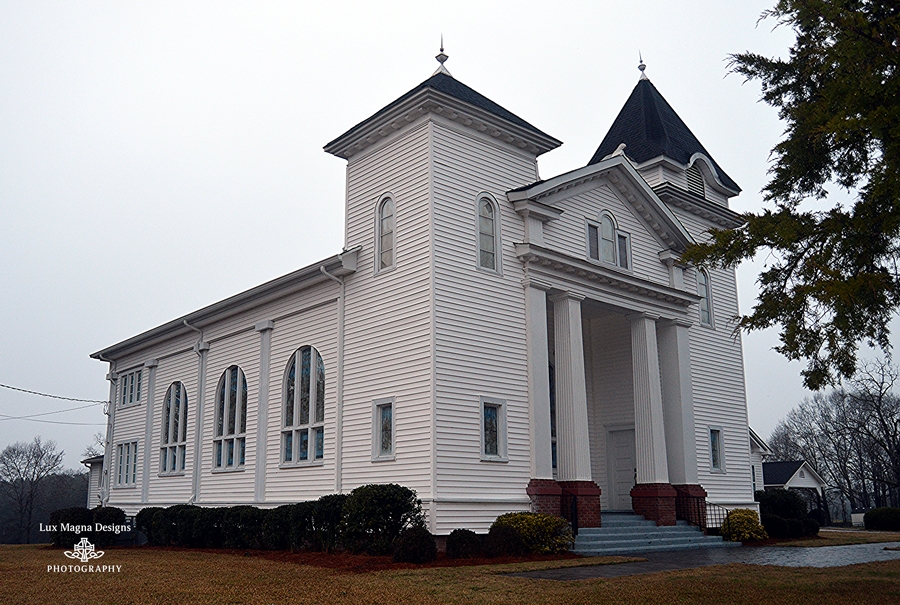
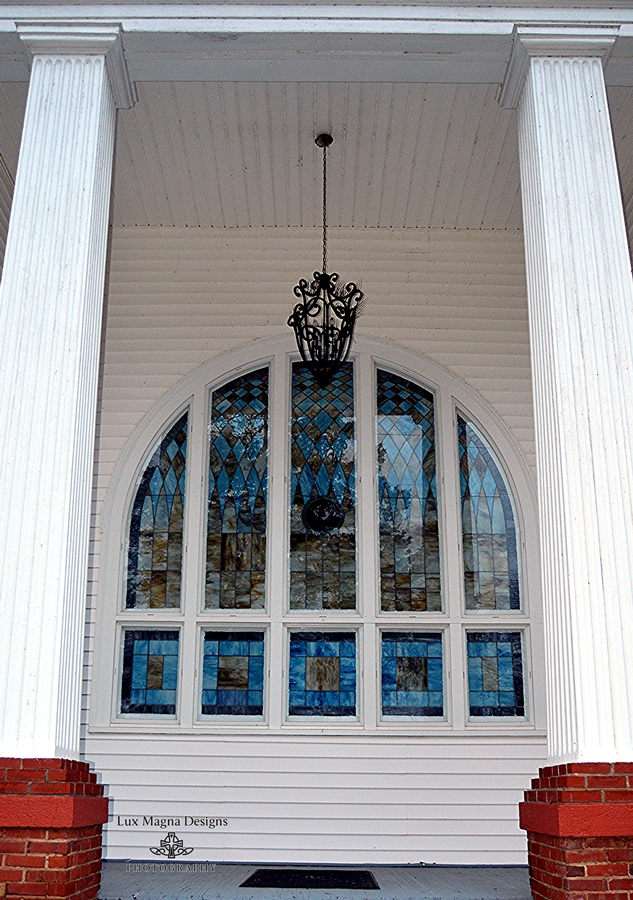

For over 170 years, Trinity United Methodist Church has stood as a beacon of faith, community, and perseverance in Durand, Georgia. Originally founded in 1854, its beginnings were shaped by three congregations—Harmony, Liberty, and Providence Churches—who united under the belief that “in union there is strength.” From its early roots in the Stinson community to the challenges and transformations that followed, Trinity has remained a steadfast part of Georgia’s religious history.
In 1908, tragedy struck when a cyclone destroyed the original church building, forcing the congregation to gather in a tent until a new structure was completed in 1910. Over time, the town evolved, changing its name from Stinson to Durand, while Trinity United Methodist Church continued to serve as a pillar of worship. The present sanctuary stands on the site of the antebellum home of Dr. James Winslow Stinson, reflecting both its deep historical ties and unwavering spirit.
Through the years, Trinity has undergone several renovations, ensuring its preservation for future generations. New additions in 1954, a sanctuary restoration in 1978, and stained glass replacements in 1984 following a hailstorm all contributed to maintaining the church’s beauty and significance. Even as a historical marker that once commemorated the church has been removed, the legacy of Trinity remains alive through its congregation, its resilience, and its lasting impact on the Durand community.


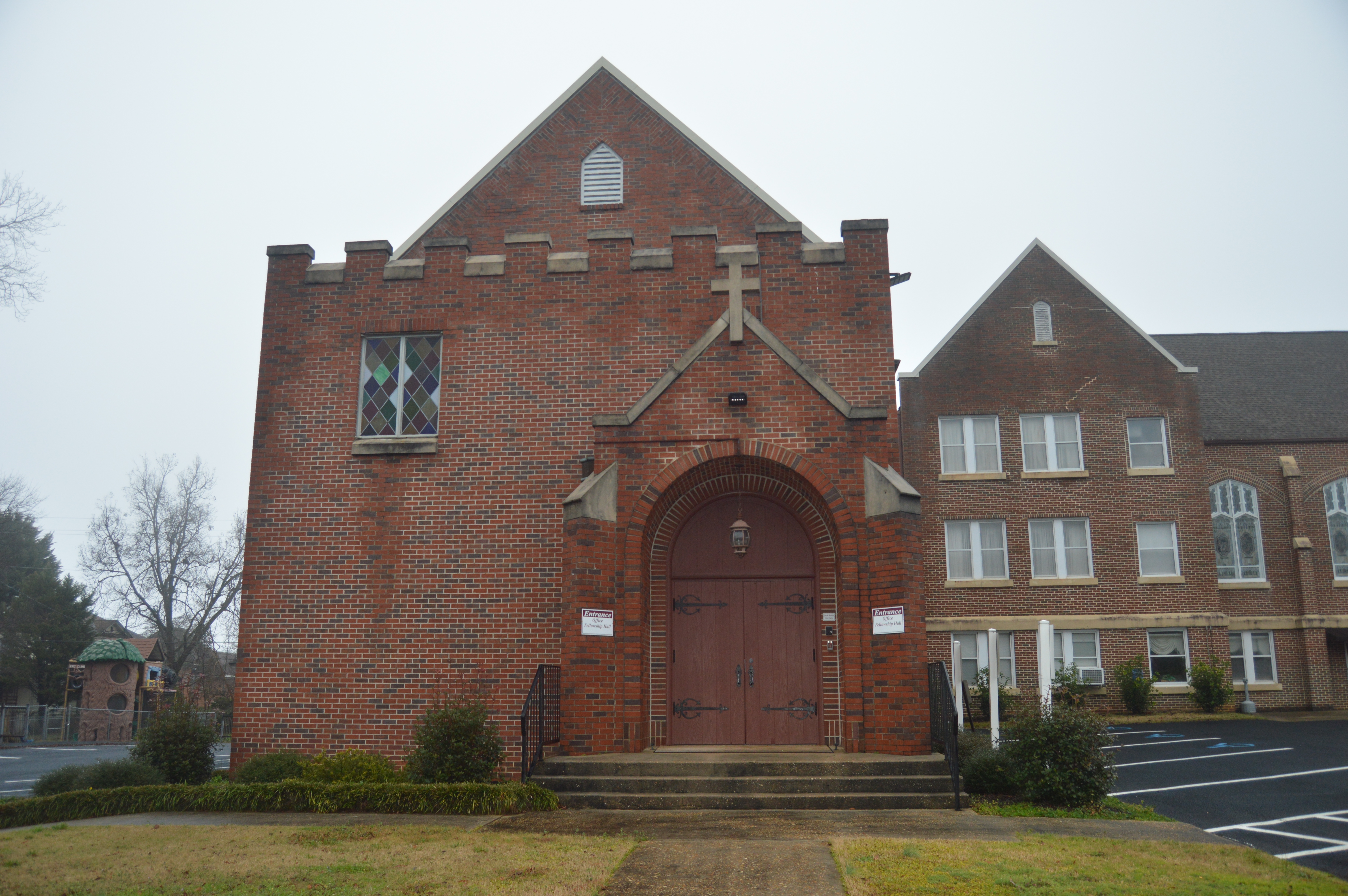

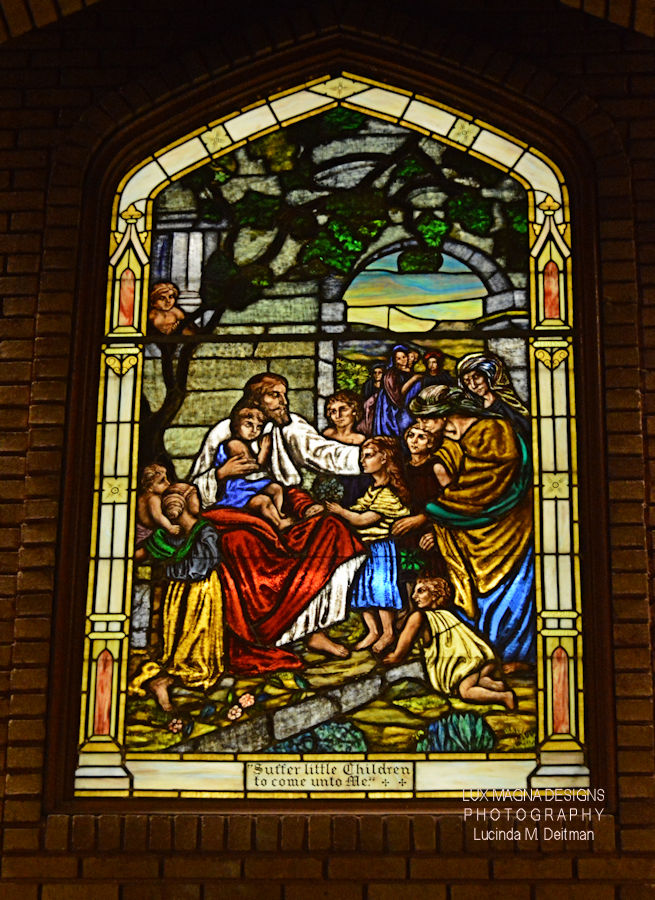

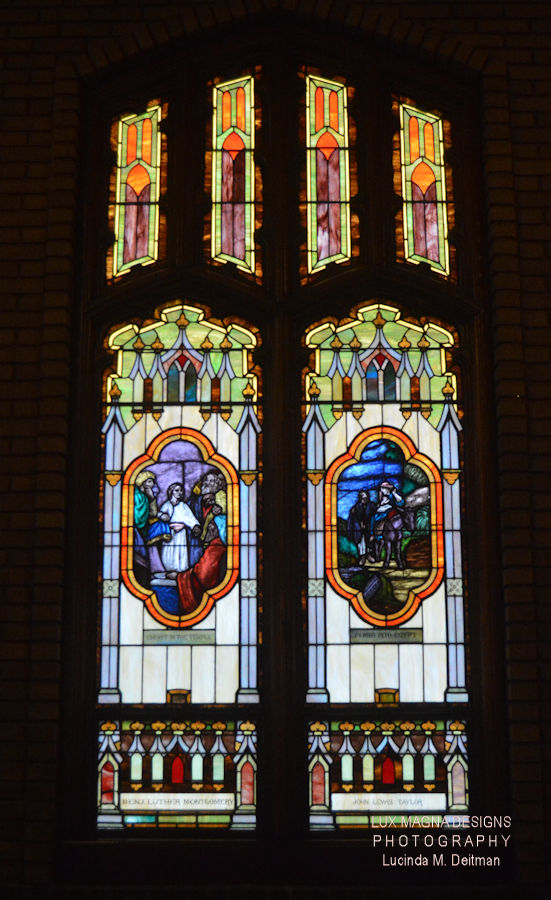

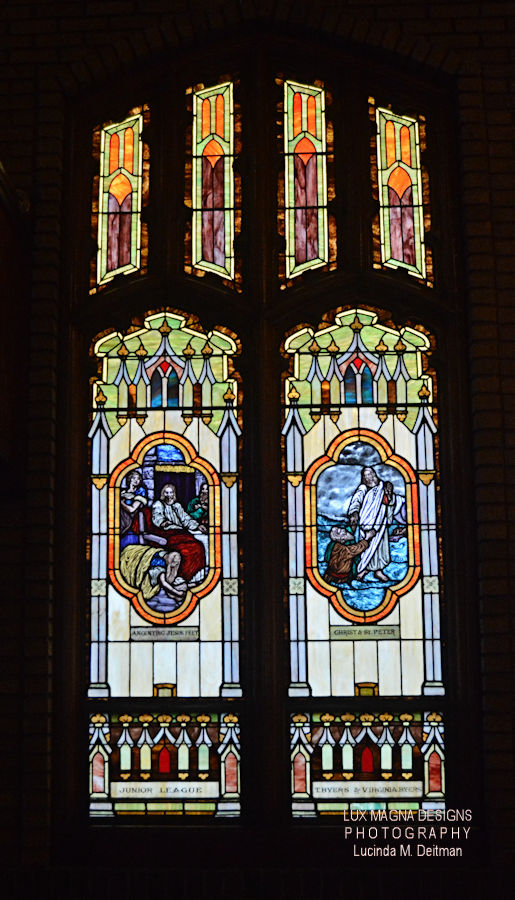
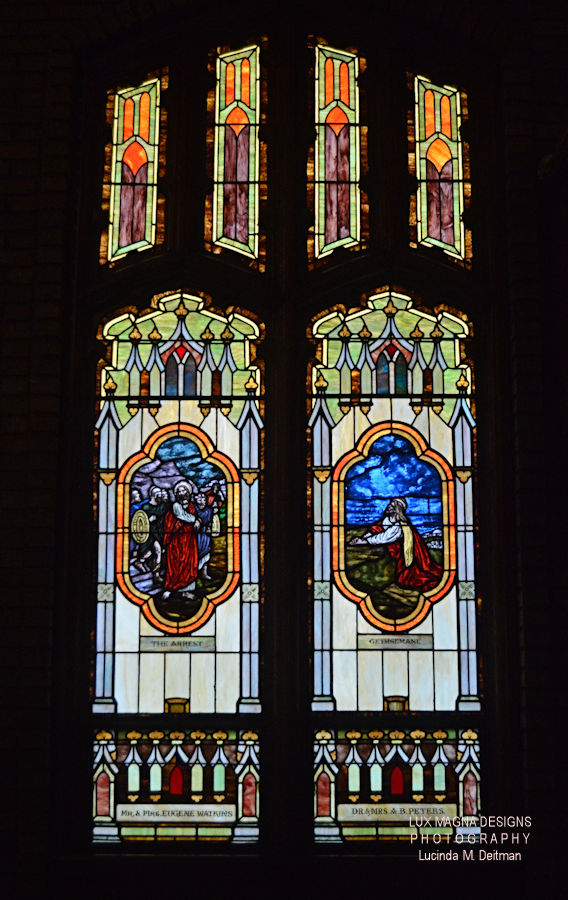
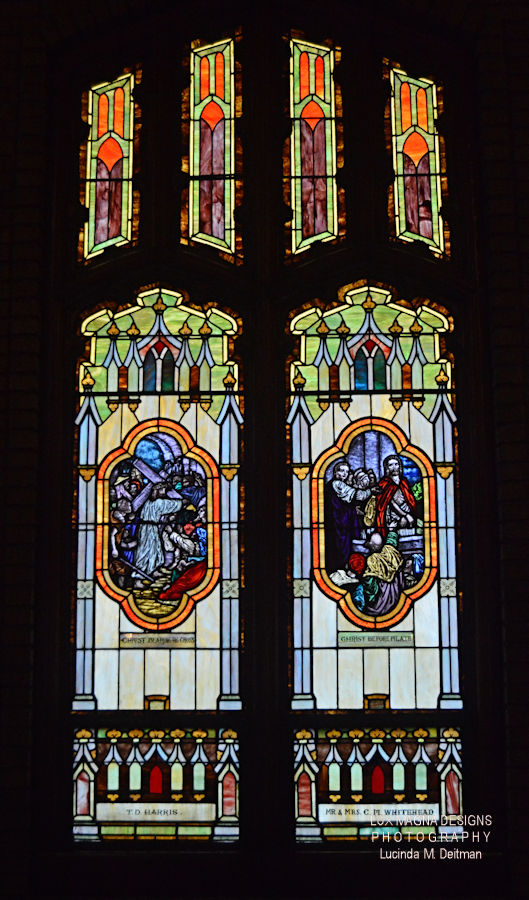

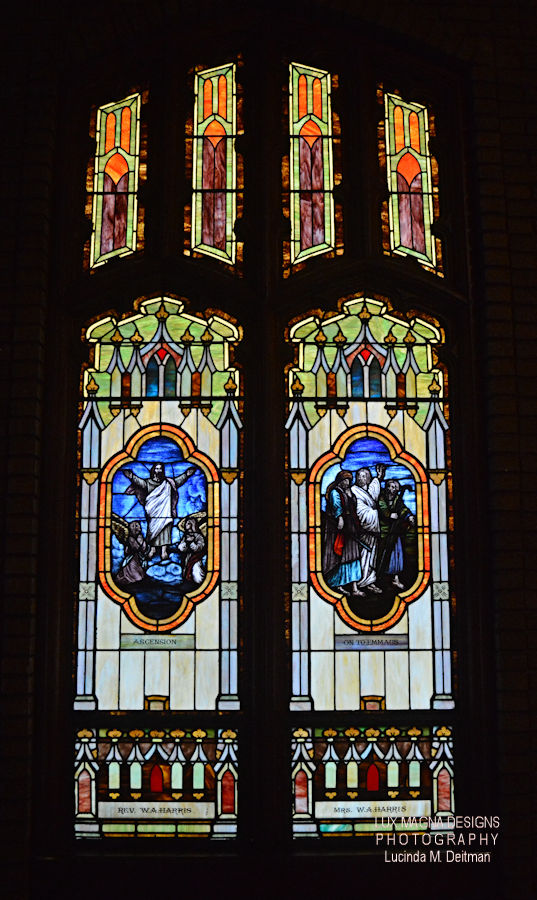

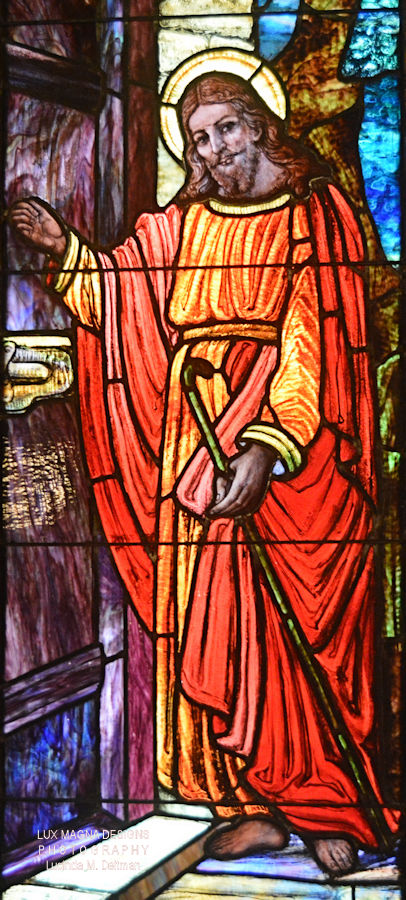
Founded in 1856, Manchester United Methodist Church has been a cornerstone of faith and community in Manchester, Georgia. Originally established as part of the Methodist Episcopal Church, the congregation has grown and evolved over the decades, reflecting the town’s rich history and spiritual heritage. The church has long been a gathering place for worship, fellowship, and service, supporting both its members and the broader community through outreach programs and ministries.
The church’s architecture and traditions have been preserved over time, with renovations and expansions ensuring its continued role as a place of worship and connection. With deep roots in Methodist teachings, Manchester United Methodist Church remains dedicated to its mission of faith, compassion, and service, welcoming all who seek spiritual growth and community support.
 Lux Magna Designs