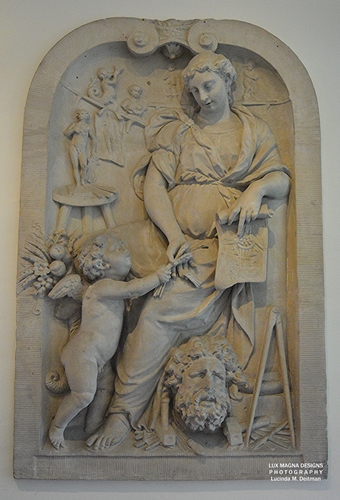
The Frans Hals Museum, located in Haarlem, Netherlands, is a remarkable institution celebrating art and history. Named after the esteemed Dutch Golden Age painter Frans Hals, the museum houses the largest collection of his works, including dynamic group portraits and vivid depictions of 17th-century life. Alongside Frans Hals, the museum showcases works by other Haarlem masters, such as Judith Leyster, Cornelis van Haarlem, and Jacob van Ruisdael, offering a comprehensive glimpse into the city’s artistic heritage.
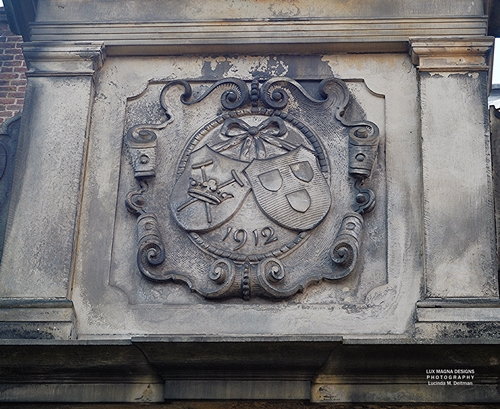
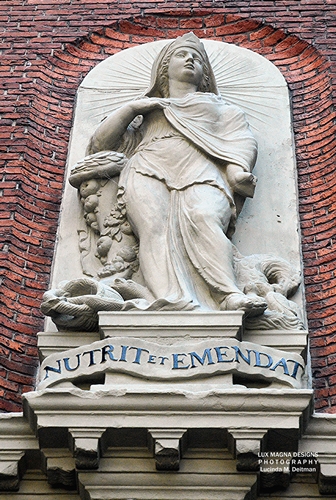
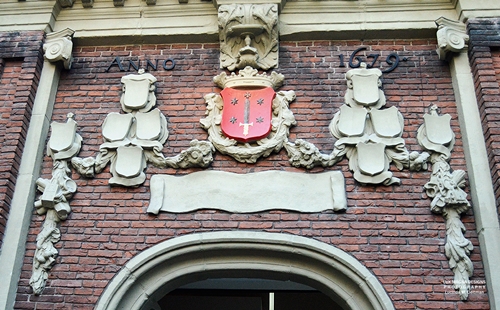
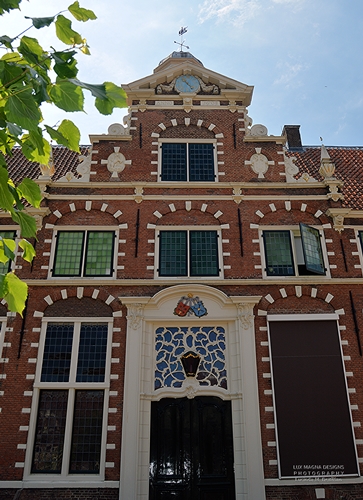
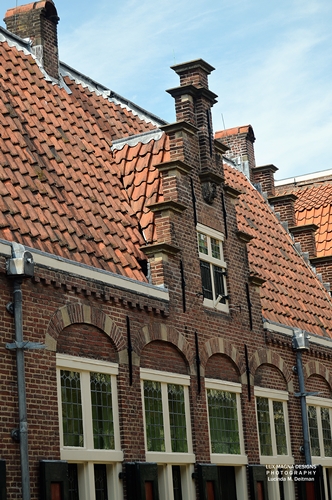
The museum’s story is intertwined with the history of its building, originally the Haarlem Old Men’s Almshouse (Oudemannenhuis), established in 1609. In 1810, the almshouse was repurposed into a municipal orphanage, providing shelter and care for orphaned children for nearly a century. The orphanage was known for its distinctive uniforms, with the children wearing outfits featuring one red sleeve and one blue sleeve—a detail that has become a part of the area’s historical narrative. One of its notable residents was Jacobus van Looy, who grew up to become a celebrated painter and writer.
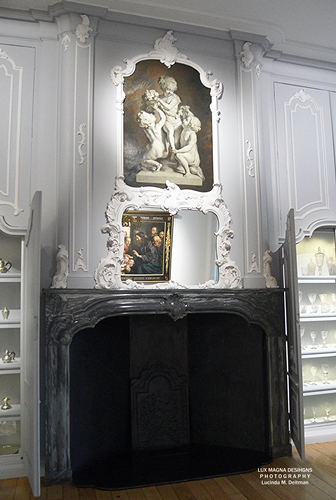
In 1908, the orphanage moved to a new location, and the building underwent another transformation to become the Frans Hals Museum, officially opening in 1913. The museum now offers visitors a dual experience, with historical art in its Hof location, housed in the former orphanage, and modern and contemporary works at its Hal location on the Grote Markt. Through its exhibitions, interactive programs, and workshops, the museum preserves the legacy of Frans Hals and other Haarlem artists while honoring its own unique history as both an almshouse and orphanage.












 Lux Magna Designs