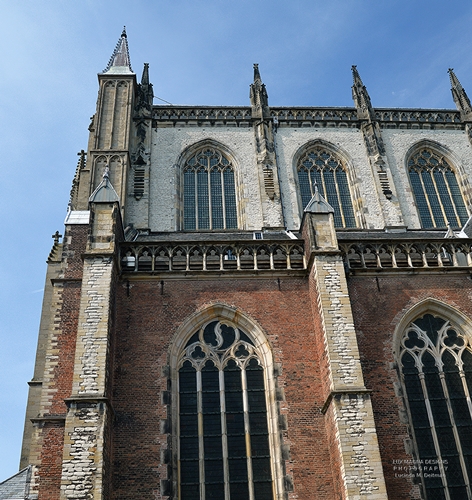
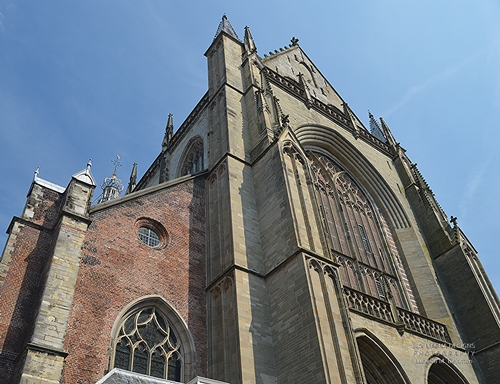
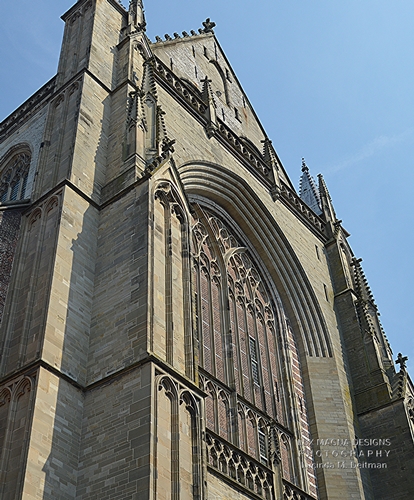
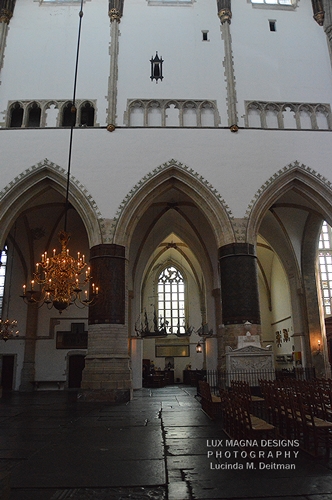
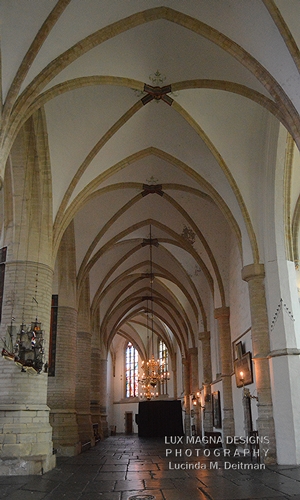
St. Bavo’s Church in Haarlem, Netherlands, is a masterpiece of Gothic and Renaissance architecture with a fascinating history. Officially known as the Grote Kerk, this majestic church dates back to the 14th century, although it has undergone several renovations over the years. The exterior showcases intricate brickwork, flying buttresses, and towering spires that make it a quintessential example of medieval Dutch craftsmanship. Its imposing presence dominates Haarlem’s skyline and serves as a symbol of the city’s cultural and spiritual heritage.
Inside the church lies one of its most extraordinary features: the Müller organ. Built in 1738 by Christian Müller, this organ is renowned for its size and sound quality, standing at an impressive 30 meters (98 feet) tall with over 5,000 pipes. It has been played by some of history’s greatest musicians, including Wolfgang Amadeus Mozart and George Frideric Handel. The organ’s ornate design, with gilded angels and detailed woodwork, complements the church’s serene ambiance.
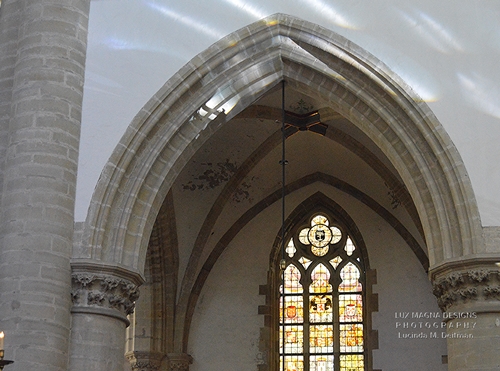
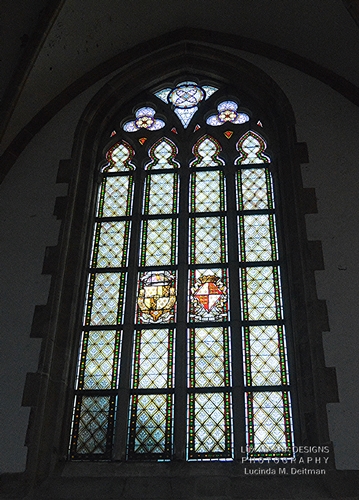
Adding to the splendor are the stained glass windows, which depict Biblical scenes and historical figures in vivid detail. These windows bathe the interior in a kaleidoscope of colors as sunlight streams through, enhancing the spiritual and artistic atmosphere. Together, the architecture, organ, and stained glass make St. Bavo’s Church a true treasure of Haarlem.
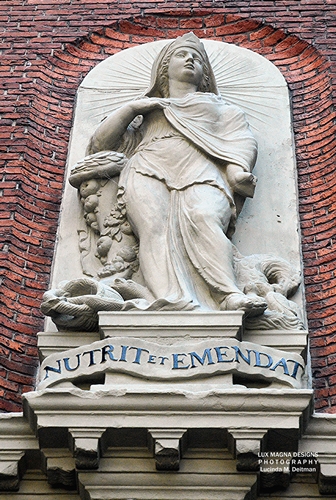
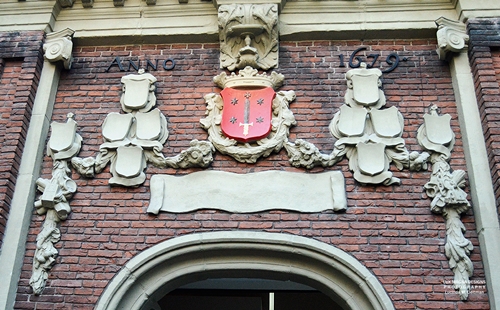
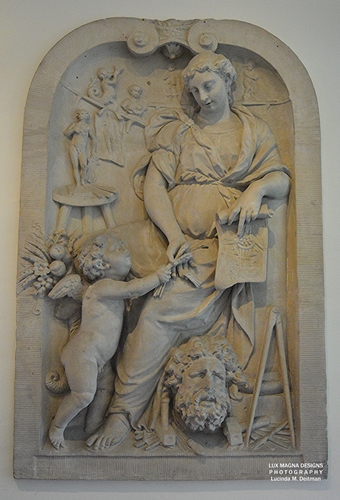
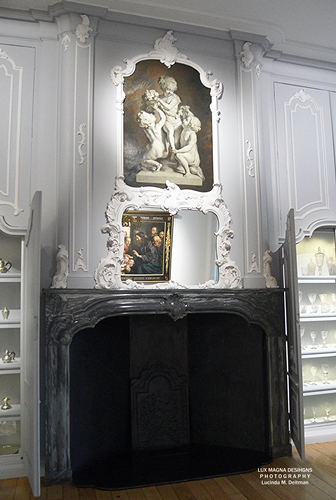
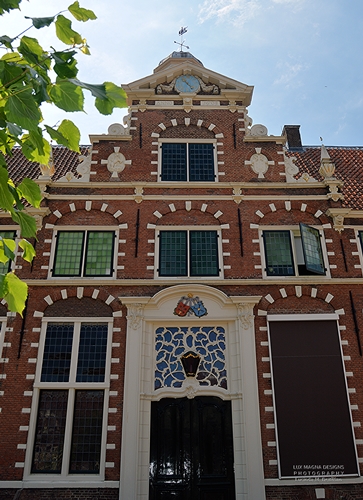
The Frans Hals Museum, located in Haarlem, Netherlands, is a remarkable institution celebrating art and history. Named after the esteemed Dutch Golden Age painter Frans Hals, the museum houses the largest collection of his works, including dynamic group portraits and vivid depictions of 17th-century life. Alongside Frans Hals, the museum showcases works by other Haarlem masters, such as Judith Leyster, Cornelis van Haarlem, and Jacob van Ruisdael, offering a comprehensive glimpse into the city’s artistic heritage.
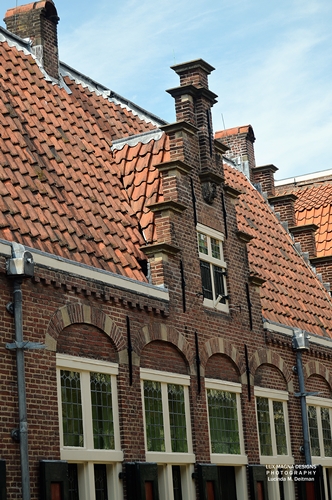
The museum’s story is intertwined with the history of its building, originally the Haarlem Old Men’s Almshouse (Oudemannenhuis), established in 1609. In 1810, the almshouse was repurposed into a municipal orphanage, providing shelter and care for orphaned children for nearly a century. The orphanage was known for its distinctive uniforms, with the children wearing outfits featuring one red sleeve and one blue sleeve—a detail that has become a part of the area’s historical narrative. One of its notable residents was Jacobus van Looy, who grew up to become a celebrated painter and writer.
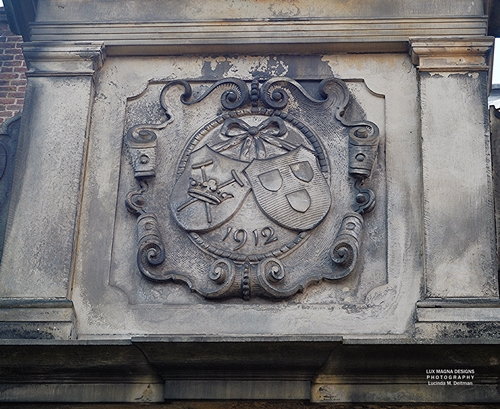
In 1908, the orphanage moved to a new location, and the building underwent another transformation to become the Frans Hals Museum, officially opening in 1913. The museum now offers visitors a dual experience, with historical art in its Hof location, housed in the former orphanage, and modern and contemporary works at its Hal location on the Grote Markt. Through its exhibitions, interactive programs, and workshops, the museum preserves the legacy of Frans Hals and other Haarlem artists while honoring its own unique history as both an almshouse and orphanage.
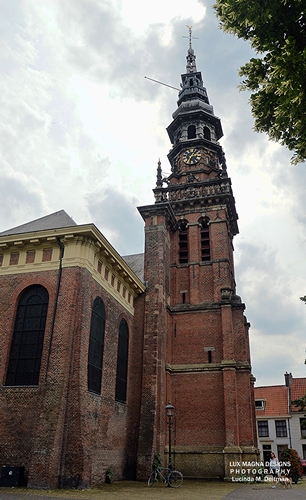
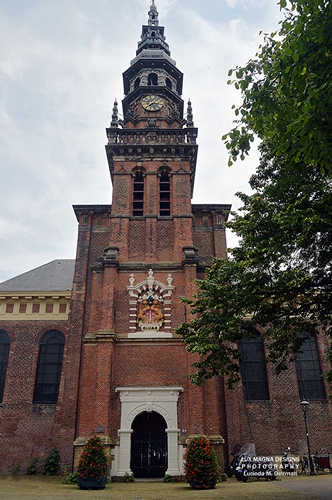
De Nieuwe Kerk, or “The New Church,” stands as a distinguished landmark in Haarlem, Netherlands, rich in history and architectural grandeur. Despite its name, this Gothic-style church dates back to the 17th century, serving as a significant place of worship for Protestant congregations. Originally built to replace the city’s older churches, it has since become an emblem of Haarlem’s spiritual and cultural heritage. Over the centuries, it has witnessed historical events, housed remarkable religious artifacts, and played a vital role in the community’s faith and traditions.
Architecturally, De Nieuwe Kerk showcases elegant Gothic elements, characterized by its soaring ceilings, intricate stained-glass windows, and towering spire. Its design reflects the craftsmanship of its time while integrating later restorations to preserve its splendor. The church’s interior is equally mesmerizing, with majestic organ pipes and detailed stonework adding to its sacred ambiance. Whether admired for its historical significance or its architectural beauty, De Nieuwe Kerk remains a striking focal point in Haarlem.
Amsterdam is a city known for its rich history, stunning canals, and breathtaking architecture. While many visitors flock to famous landmarks like the Anne Frank House or the Rijksmuseum, fewer explore the lesser-known yet equally fascinating Vredeskerk (Church of Peace). Located in the Rivierenbuurt district, this church is a masterpiece of religious architecture and a symbol of tranquility in the heart of the city.
A Brief History of Vredeskerk
Vredeskerk was built in the early 20th century, during a period of significant expansion in Amsterdam. Designed by architect Jos Bekkers, the church was completed in 1924 and consecrated shortly after. It was named “Vredeskerk” (Peace Church) in honor of the peaceful intentions of the Christian faith and as a response to the aftermath of World War I.
Over the decades, Vredeskerk has remained an active place of worship while also serving as a cultural and community hub. Despite changes in church attendance and religious practices in the Netherlands, this historic building continues to play a role in the spiritual and social life of Amsterdam.
Architectural Highlights
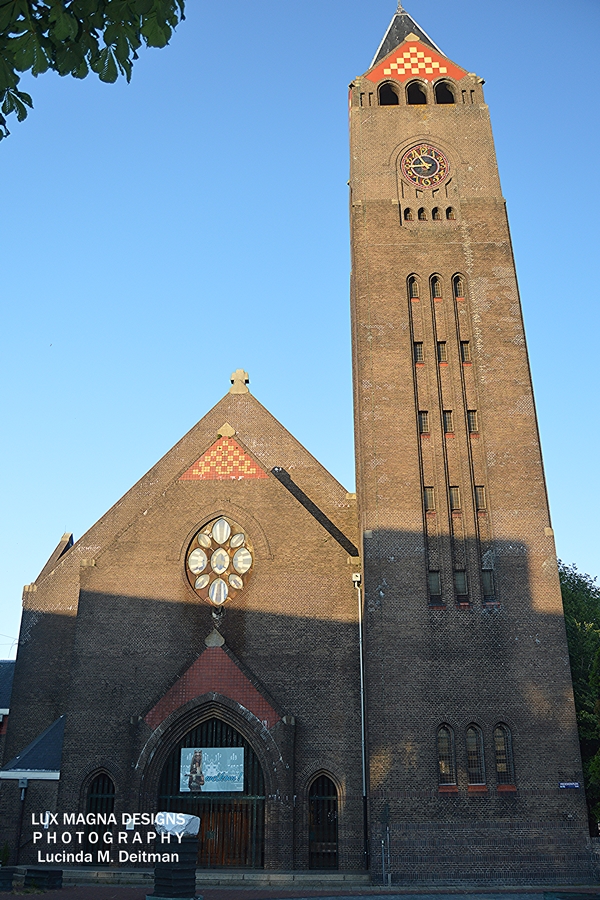
The Vredeskerk is a stunning example of early 20th-century religious architecture, blending elements of neo-Romanesque and Art Deco styles. Some of its most striking features include:
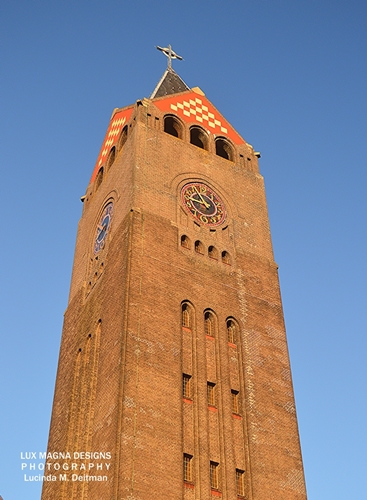
The Tower: The church’s tall, slender tower is one of its most defining elements, offering a striking contrast against the surrounding residential buildings.
Stained Glass Windows: The church boasts beautiful stained glass windows that depict religious scenes and symbols, bathing the interior in a soft, colorful glow.
Interior Details: Inside, the church is adorned with elegant woodwork, intricate stone carvings, and a majestic organ that adds to the serene ambiance.
Brickwork and Facade: The use of red and brown bricks in the facade showcases the architectural style of the era and contributes to the building’s warm, inviting presence.
Photography Tips for Capturing Vredeskerk
For photography enthusiasts, Vredeskerk offers plenty of opportunities to capture stunning images. Here are a few tips to make the most of your visit:
Golden Hour Magic: Visit in the early morning or late afternoon to capture the church bathed in golden light, enhancing its intricate brickwork and textures.
Wide-Angle Perspective: Use a wide-angle lens to capture the full height of the tower and the church’s impressive facade.
Interior Shots: If you get the chance to step inside, bring a camera with good low-light capabilities to photograph the stunning stained glass windows and intricate architectural details.
Framing with Nature: Use trees, nearby lampposts, or surrounding buildings to frame your shots and add depth to your compositions.
Visit Vredeskerk
Whether you’re a history buff, an architecture lover, or a photographer looking for unique subjects, Vredeskerk is a must-visit in Amsterdam. It’s a peaceful retreat from the city’s bustling tourist spots, offering both beauty and a sense of history that makes it a hidden gem worth exploring.






















 Lux Magna Designs