
Exploring Westertoren:
A Historic Landmark in the Heart of Amsterdam
Located in the vibrant Jordaan district, the Westertoren is one of Amsterdam’s most iconic landmarks, offering a captivating blend of history, architecture, and breathtaking views. Standing tall as part of the Westerkerk (Western Church), this tower has become a symbol of the city’s rich heritage and a must-see for visitors. Whether you’re a history buff, an architecture enthusiast, or a photographer looking for the perfect shot, the Westertoren offers something for everyone.
The History Behind Westertoren
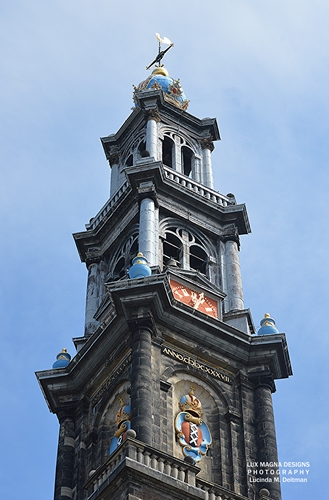
The Westertoren was completed in 1638, during the height of the Dutch Golden Age, and is part of the Westerkerk. Designed by the famous architect Hendrick de Keyser, the tower was built to stand as a beacon for Amsterdam’s thriving port. Its construction marked a significant moment in the city’s architectural evolution, symbolizing Amsterdam’s wealth and influence in the 17th century. The tower was not only a piece of impressive architecture but also served a practical purpose, guiding sailors into the busy harbor.
Over the centuries, the Westertoren has become a key element in Amsterdam’s skyline, reflecting the city’s resilience through times of war, peace, and growth. Its 85-meter height makes it one of the tallest structures in Amsterdam, and its architectural style remains a shining example of Baroque design.
Architectural Features of the Westertoren
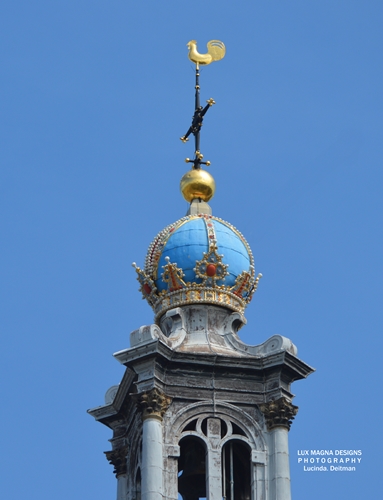
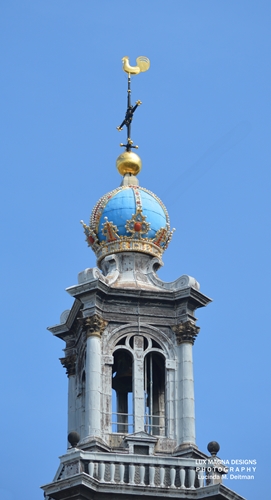
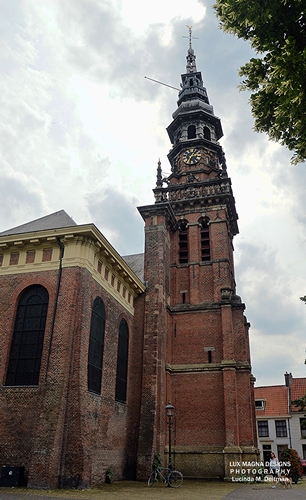
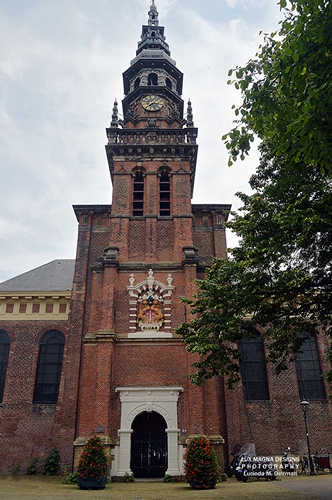
One of the most striking aspects of the Westertoren is its beautifully intricate design. The tower’s clock, which faces the city on all sides, is a masterpiece of craftsmanship, with its blue and gold details making it stand out in the Amsterdam skyline. The tower’s height ensures that it is visible from much of the city, creating a sense of timelessness for both locals and visitors alike.
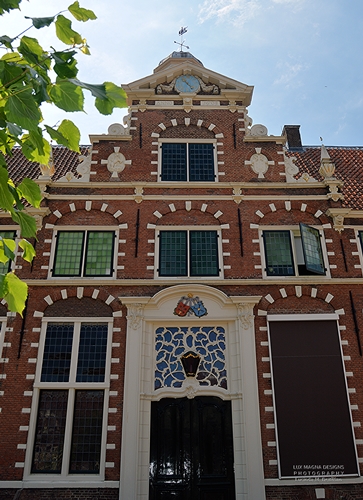
The Baroque style of the tower, combined with the towering spire, is a stunning visual contrast against the gentle curves of the city’s canals. The Westertoren is one of the most photographed buildings in Amsterdam, thanks to its grandeur and position, often captured alongside the winding canals and traditional Dutch houses.
A Symbolic Landmark
Beyond its architectural significance, the Westertoren holds cultural and historical importance. Perhaps its most famous connection is with Anne Frank. In her diary, Anne Frank mentions the Westertoren multiple times, as it was the landmark she could see from the annex window while hiding during World War II. For many, the tower symbolizes the city’s wartime history and the resilience of the human spirit.
The Westertoren also continues to serve as an active church, offering regular services and events. Its role as a religious and community center remains vital to this day, further embedding it into the fabric of Amsterdam life.
A Photographer’s Dream
For photographers, the Westertoren presents a wealth of opportunities. Its striking design, unique location, and historical context make it an ideal subject for a variety of shots. Whether capturing it from across the canal, using the tower as a focal point with the traditional Amsterdam houses in the foreground, or shooting it from above with the city sprawled out below, the Westertoren never disappoints.
The best time to photograph the tower is during the golden hour, just before sunset, when the soft, warm light illuminates its detailed features. Early morning provides a quieter atmosphere, perfect for capturing the tower with fewer people around. The surrounding streets and canals also provide multiple perspectives, allowing you to get creative with your angles and composition.
Visiting the Westertoren
For those planning a visit, the Westertoren is located just a short walk from Anne Frank’s House, making it easy to include both attractions in a single outing. The tower is open to the public, and visitors can climb to the top for an incredible panoramic view of Amsterdam’s cityscape. The climb, though steep, is worth it for the stunning vistas of the city’s canals, rooftops, and iconic landmarks stretching out below.
To make the most of your visit, consider stopping by the Westerkerk, the church that houses the tower. The church offers tours and has a rich history that ties directly into the story of Amsterdam. You can also enjoy a peaceful stroll through the nearby Jordaan district, known for its picturesque streets, charming boutiques, and cozy cafés.
Conclusion
The Westertoren stands as a testament to Amsterdam’s rich history, architectural beauty, and cultural depth. Whether you’re there to admire its Baroque grandeur, capture its beauty through a camera lens, or reflect on its significance in the lives of those who lived through Amsterdam’s darkest times, the tower offers an unforgettable experience. For anyone visiting Amsterdam, the Westertoren is not to be missed—a landmark that continues to define the city’s skyline and inspire all who gaze upon it.
Photography Tips for Westertoren:
- Golden Hour: Aim for early morning or late afternoon when the lighting softens, creating beautiful contrasts and shadows on the tower.
- Framing: Incorporate the nearby canals and surrounding Dutch architecture for a more dynamic composition.
- Climb the Tower: If you get the chance, photograph the cityscape from the top to capture a unique perspective of Amsterdam’s charming landscape.
Whether you’re visiting for its history or simply to take in the view, the Westertoren is a place that will leave you with lasting memories—and photographs.


































 Lux Magna Designs