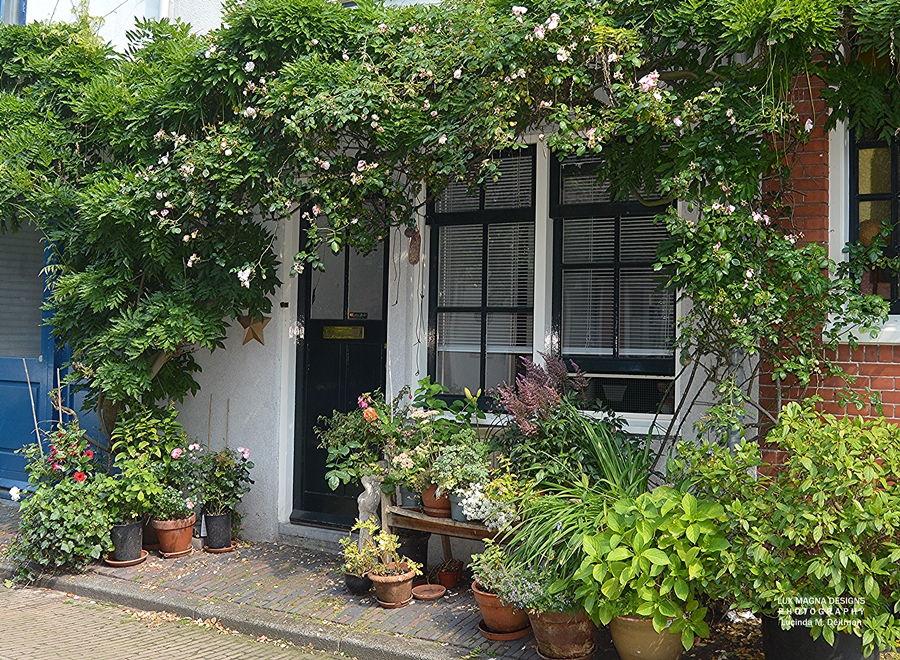
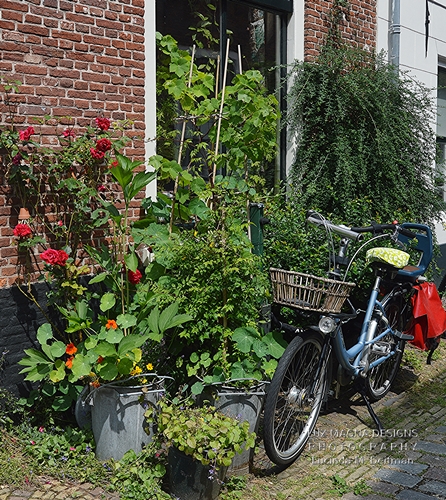
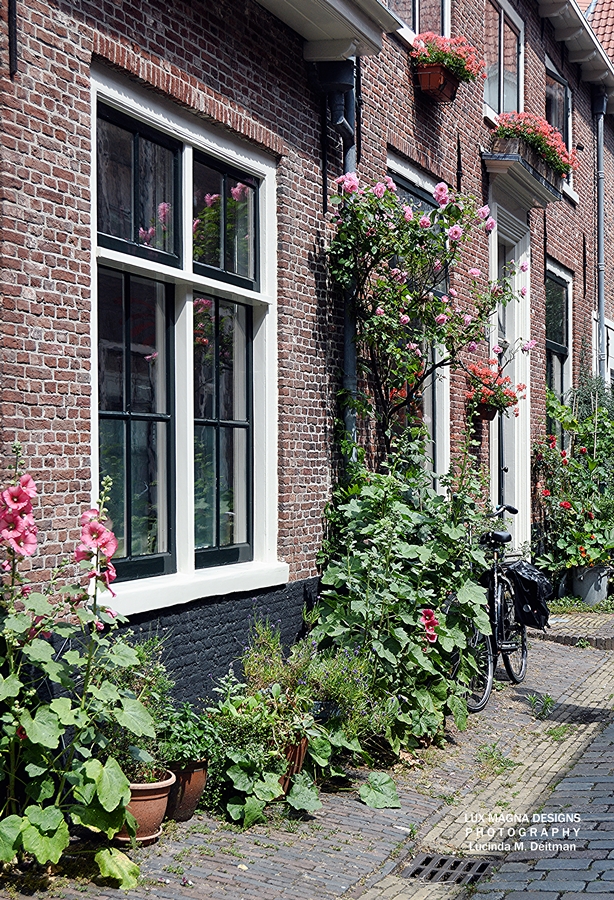
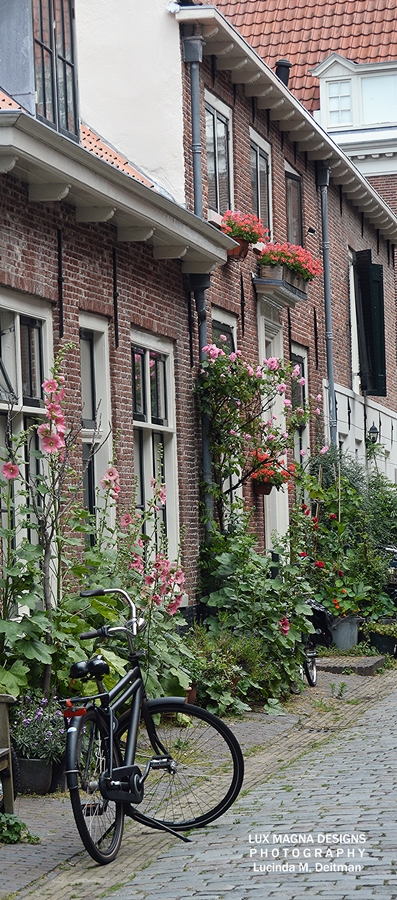
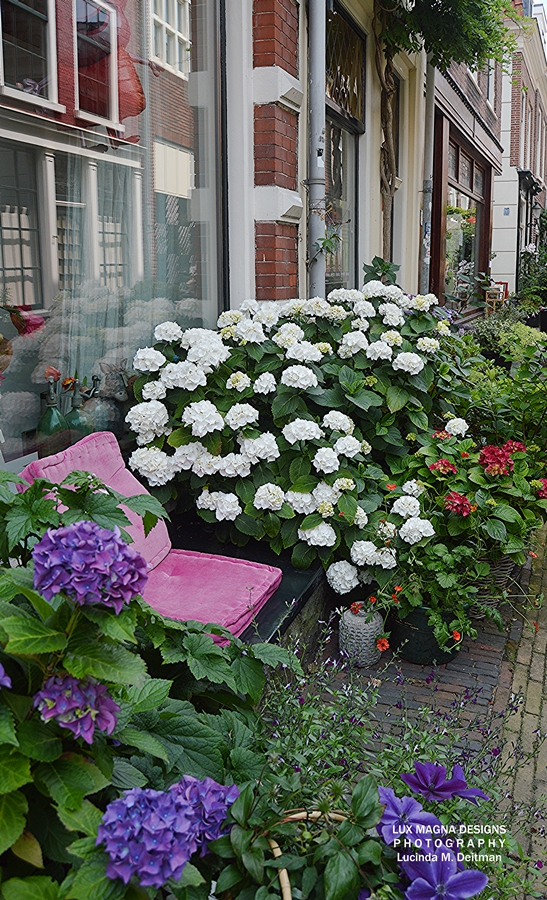
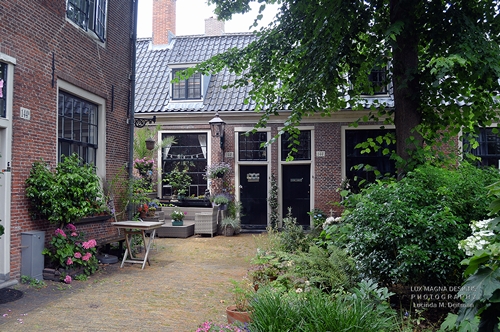
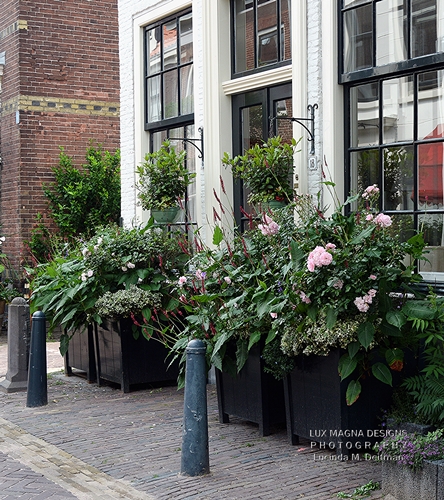
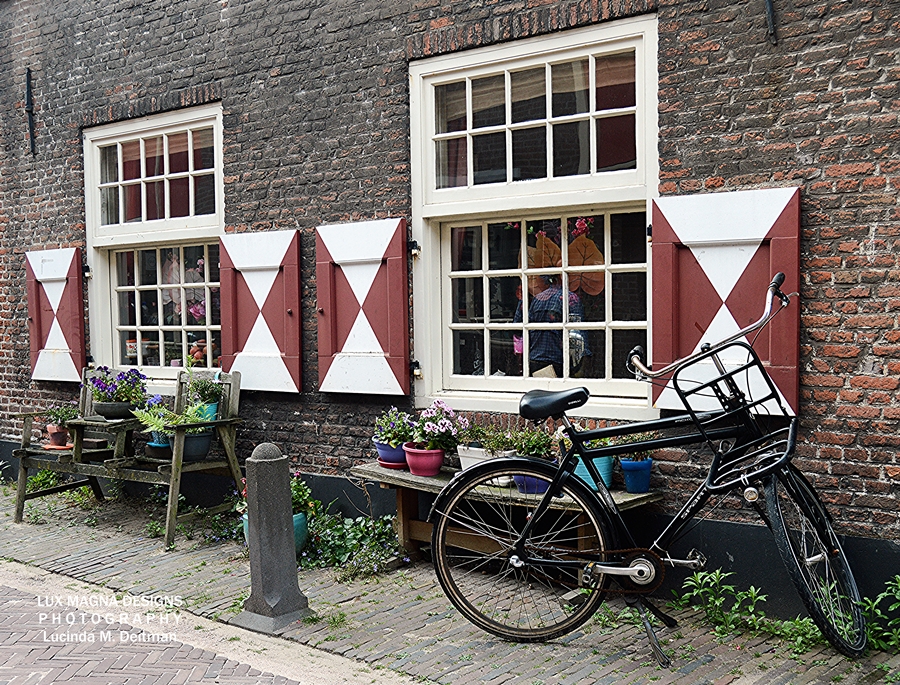
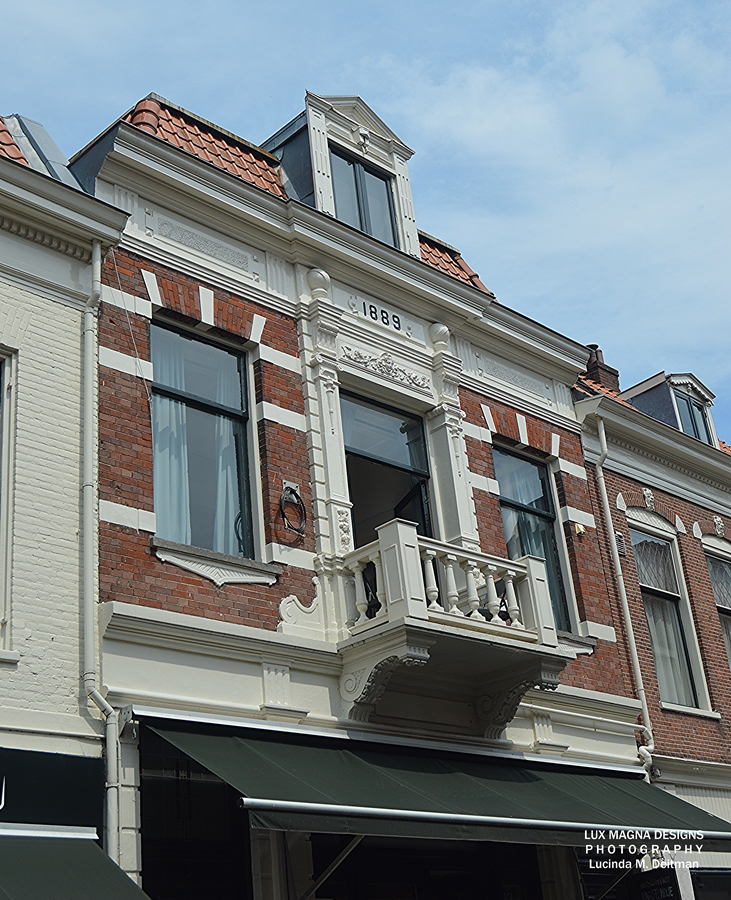
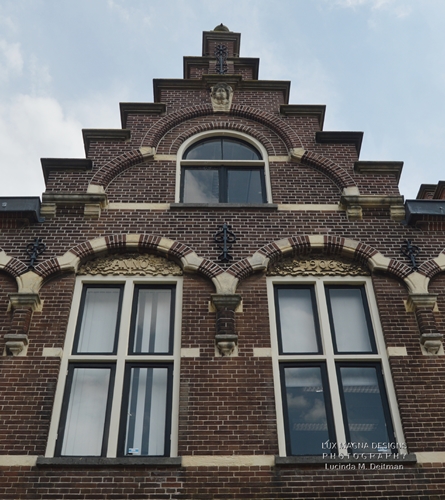
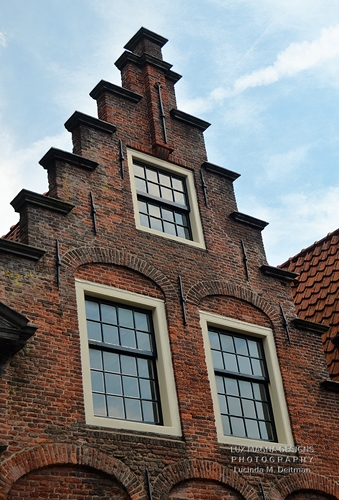
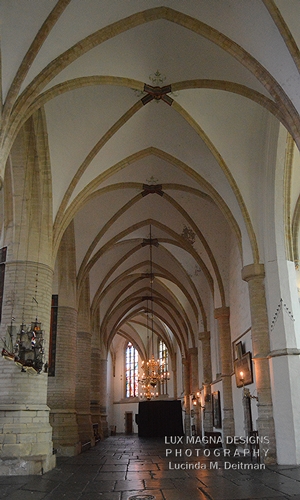
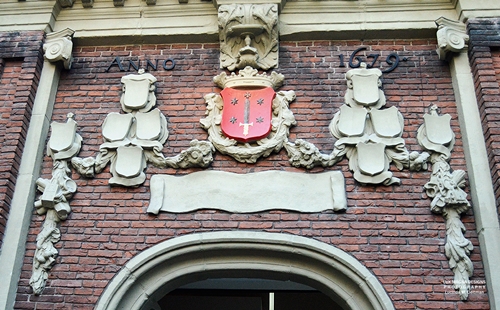
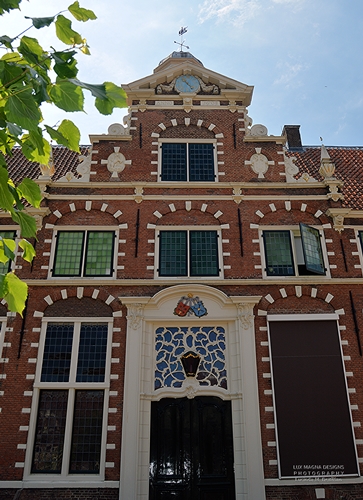
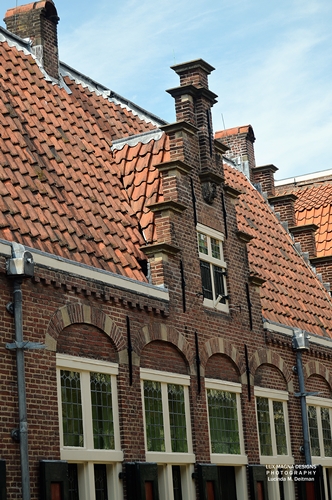
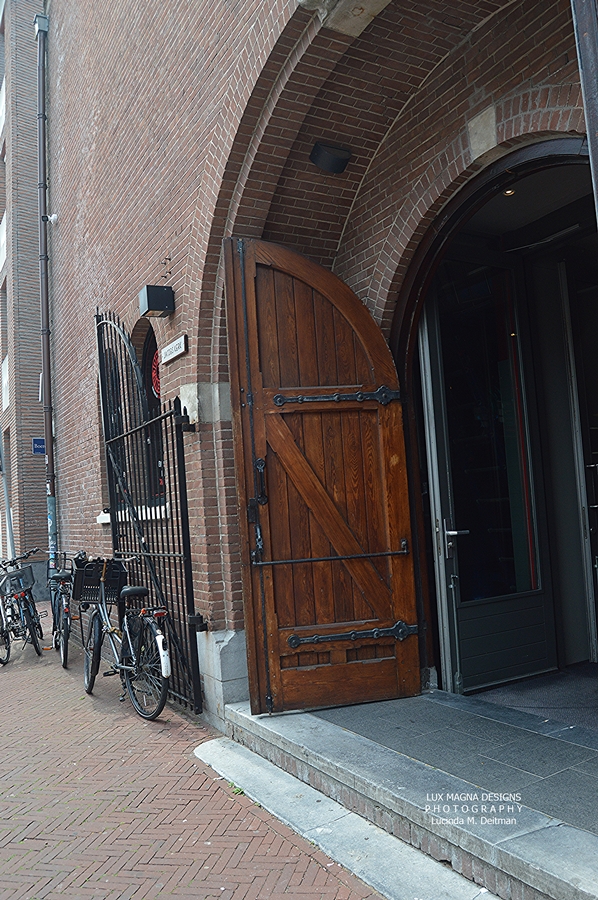
Strolling through Haarlem is like stepping into a living painting. The city’s iconic gabled houses, with their intricate facades and centuries-old brickwork, tell the story of a past shaped by trade, artistry, and craftsmanship. Many of these homes date back to the Dutch Golden Age, when Haarlem thrived as a center for culture and commerce. Cobblestone streets weave between them, connecting lively marketplaces and quiet canals, offering a timeless charm that has captivated visitors for generations.
Haarlem’s origins date back to at least the 10th century, when it was mentioned as a fortified town. By the 12th century, it had become the residence of the Counts of Holland, solidifying its importance in the region. In 1245, Haarlem was officially granted city rights, marking its transition into a thriving urban center.
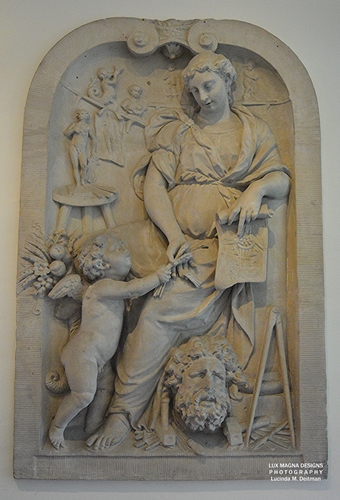
Throughout the Middle Ages, Haarlem endured several conflicts, including civil wars in Holland and a devastating siege during the Dutch Revolt (1572–1573). Despite these hardships, the city flourished in the 17th century, becoming a refuge for Huguenots and an artistic hub. This period saw the rise of the Haarlem school of painting, which included renowned artists like Frans Hals, Salomon van Ruysdael, and Jacob van Ruisdael.
Haarlem remains a vibrant city, known as the Bloemenstad (Flower City) due to its historical role in the tulip bulb-growing industry. It is also part of the Amsterdam metropolitan area, offering a blend of historical elegance and modern energy.



































 Lux Magna Designs