
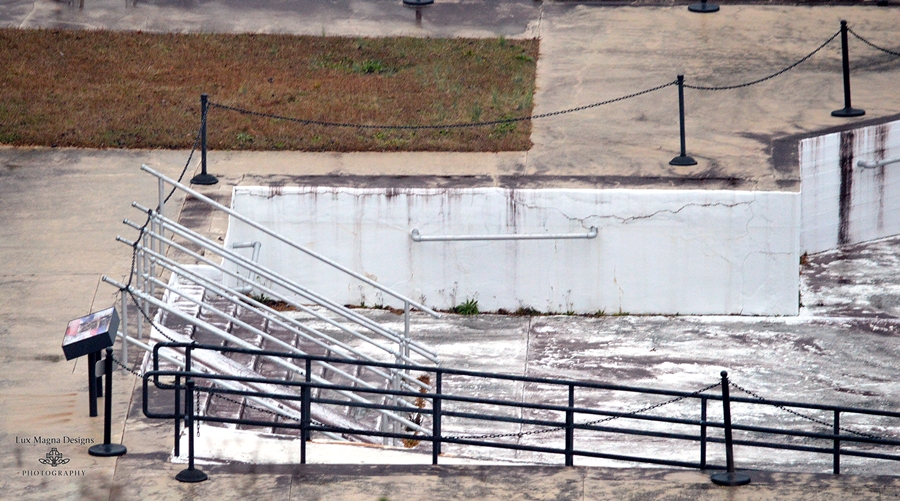
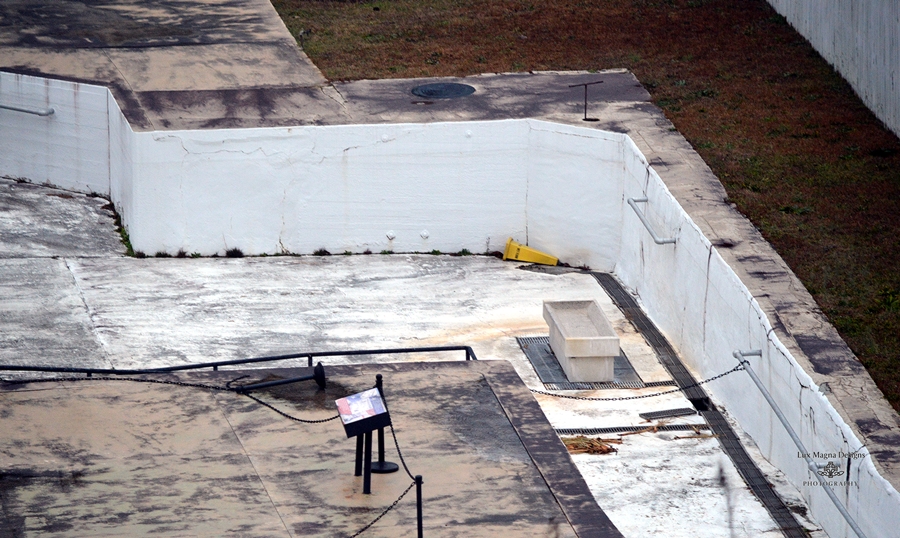


Nestled in the rolling hills of Warm Springs, Georgia, the Warm Springs Treatment Pools have long been a place of healing and renewal. These natural warm springs, flowing at a steady 88°F, were believed to have therapeutic properties for centuries, attracting visitors seeking relief from various ailments. But it was Franklin D. Roosevelt, the future 32nd President of the United States, who would bring national attention to these waters and reshape their legacy.
In 1924, Roosevelt, then a promising politician, arrived in Warm Springs desperately seeking relief from polio, which had left him partially paralyzed. Immersing himself in the mineral-rich waters, he discovered a renewed sense of strength and mobility, an experience so profound that he chose to purchase the resort outright. In 1927, he established the Georgia Warm Springs Foundation, transforming the pools into a hydrotherapeutic treatment center for polio patients from across the country. Warm Springs soon became a sanctuary for those suffering from the disease, offering hope in the midst of hardship.
By 1942, an indoor hydrotherapy facility was built on the foundation’s campus to accommodate more patients, marking the transition away from outdoor treatments in the pools. Though they were gradually phased out, the impact of Roosevelt’s vision endured. The historic pools remained standing, a silent tribute to the thousands who sought comfort in their waters.
Recognizing their profound historical significance, the Warm Springs Historic District, which includes the treatment pools, was officially listed on the National Register of Historic Places (NRHP) on May 23, 1980. In preparation for the 50th anniversary of Roosevelt’s passing, the Georgia Department of Natural Resources led stabilization and restoration efforts in 1994–95, ensuring that the pools would remain preserved for future generations.
 Lux Magna Designs