
Wild Animal Safari
Wild Animal Safari


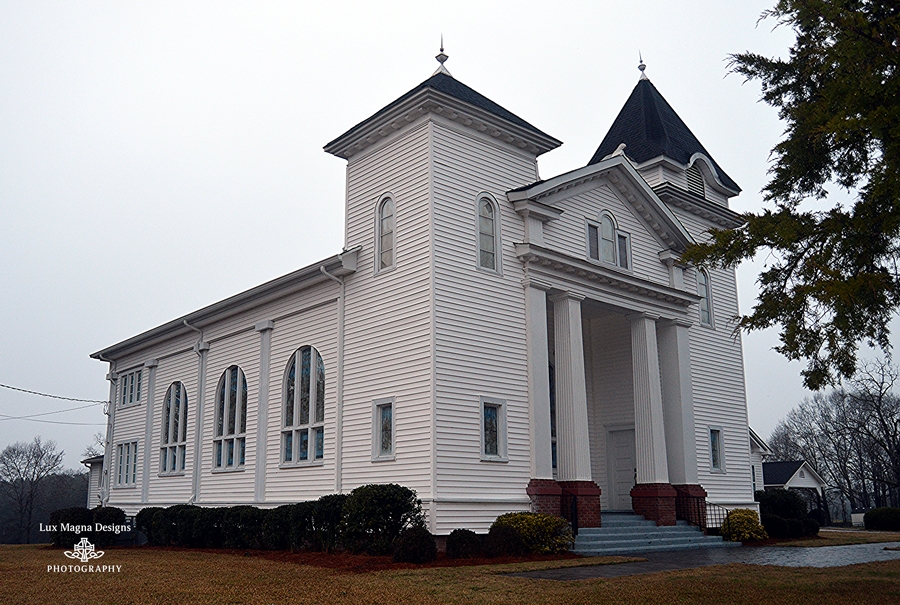

For over 170 years, Trinity United Methodist Church has stood as a beacon of faith, community, and perseverance in Durand, Georgia. Originally founded in 1854, its beginnings were shaped by three congregations—Harmony, Liberty, and Providence Churches—who united under the belief that “in union there is strength.” From its early roots in the Stinson community to the challenges and transformations that followed, Trinity has remained a steadfast part of Georgia’s religious history.
In 1908, tragedy struck when a cyclone destroyed the original church building, forcing the congregation to gather in a tent until a new structure was completed in 1910. Over time, the town evolved, changing its name from Stinson to Durand, while Trinity United Methodist Church continued to serve as a pillar of worship. The present sanctuary stands on the site of the antebellum home of Dr. James Winslow Stinson, reflecting both its deep historical ties and unwavering spirit.
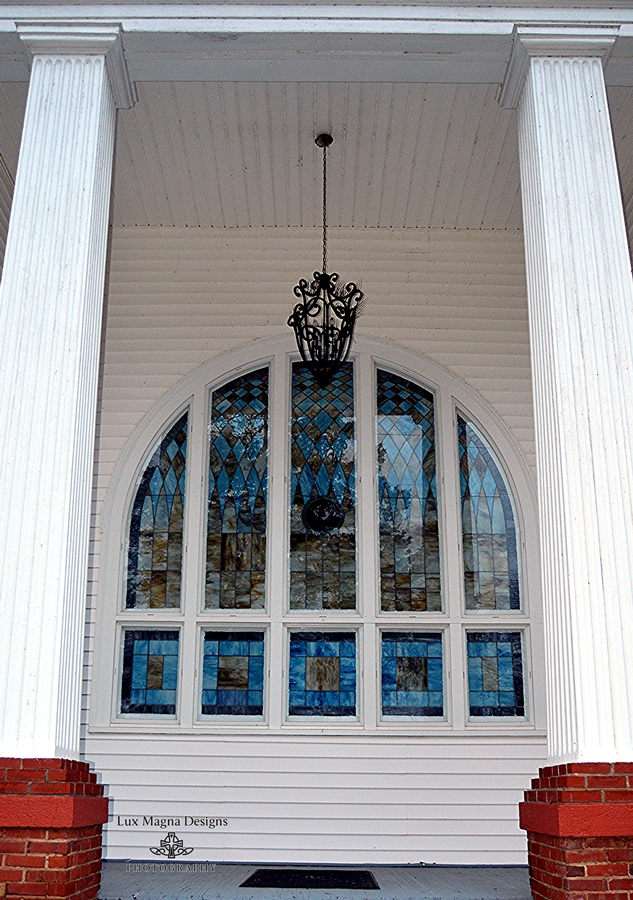
Through the years, Trinity has undergone several renovations, ensuring its preservation for future generations. New additions in 1954, a sanctuary restoration in 1978, and stained glass replacements in 1984 following a hailstorm all contributed to maintaining the church’s beauty and significance. Even as a historical marker that once commemorated the church has been removed, the legacy of Trinity remains alive through its congregation, its resilience, and its lasting impact on the Durand community.

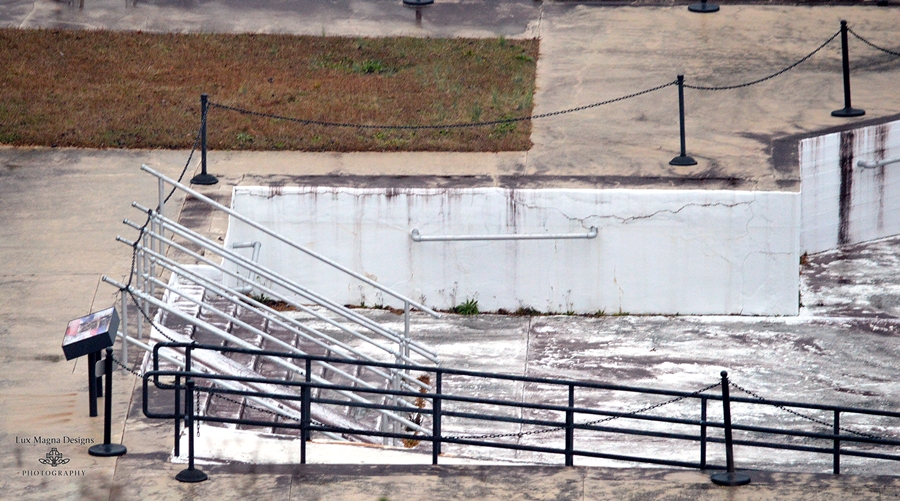
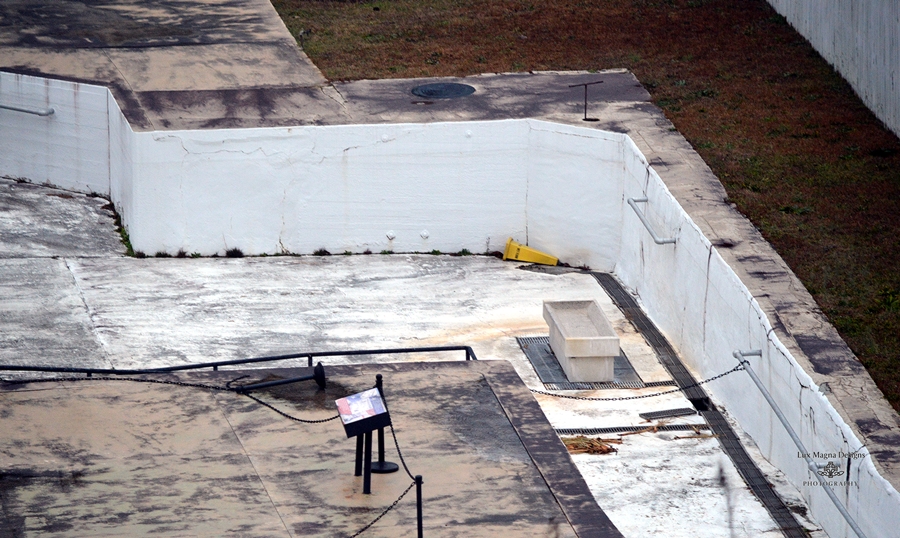


Nestled in the rolling hills of Warm Springs, Georgia, the Warm Springs Treatment Pools have long been a place of healing and renewal. These natural warm springs, flowing at a steady 88°F, were believed to have therapeutic properties for centuries, attracting visitors seeking relief from various ailments. But it was Franklin D. Roosevelt, the future 32nd President of the United States, who would bring national attention to these waters and reshape their legacy.
In 1924, Roosevelt, then a promising politician, arrived in Warm Springs desperately seeking relief from polio, which had left him partially paralyzed. Immersing himself in the mineral-rich waters, he discovered a renewed sense of strength and mobility, an experience so profound that he chose to purchase the resort outright. In 1927, he established the Georgia Warm Springs Foundation, transforming the pools into a hydrotherapeutic treatment center for polio patients from across the country. Warm Springs soon became a sanctuary for those suffering from the disease, offering hope in the midst of hardship.
By 1942, an indoor hydrotherapy facility was built on the foundation’s campus to accommodate more patients, marking the transition away from outdoor treatments in the pools. Though they were gradually phased out, the impact of Roosevelt’s vision endured. The historic pools remained standing, a silent tribute to the thousands who sought comfort in their waters.
Recognizing their profound historical significance, the Warm Springs Historic District, which includes the treatment pools, was officially listed on the National Register of Historic Places (NRHP) on May 23, 1980. In preparation for the 50th anniversary of Roosevelt’s passing, the Georgia Department of Natural Resources led stabilization and restoration efforts in 1994–95, ensuring that the pools would remain preserved for future generations.


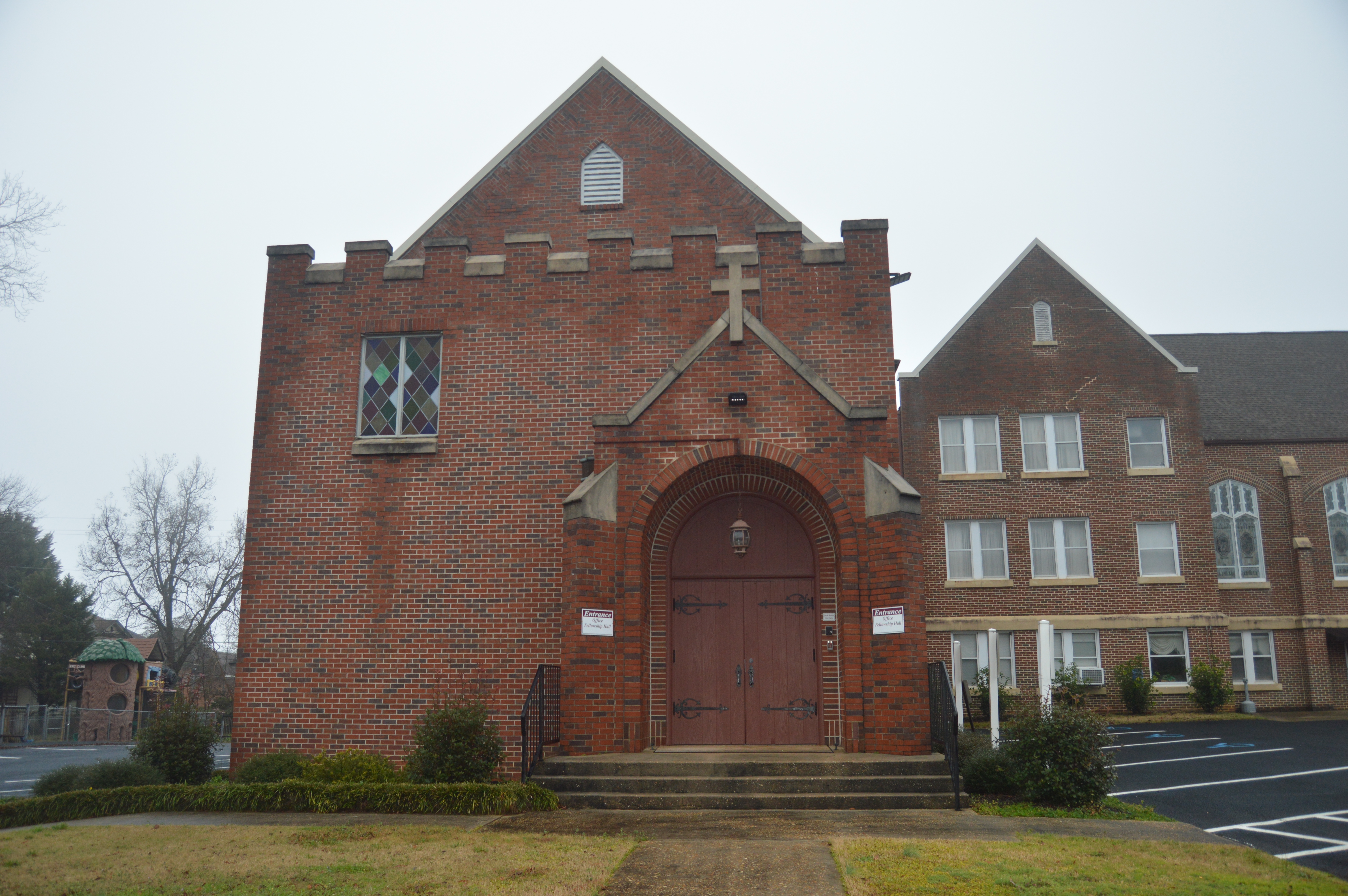

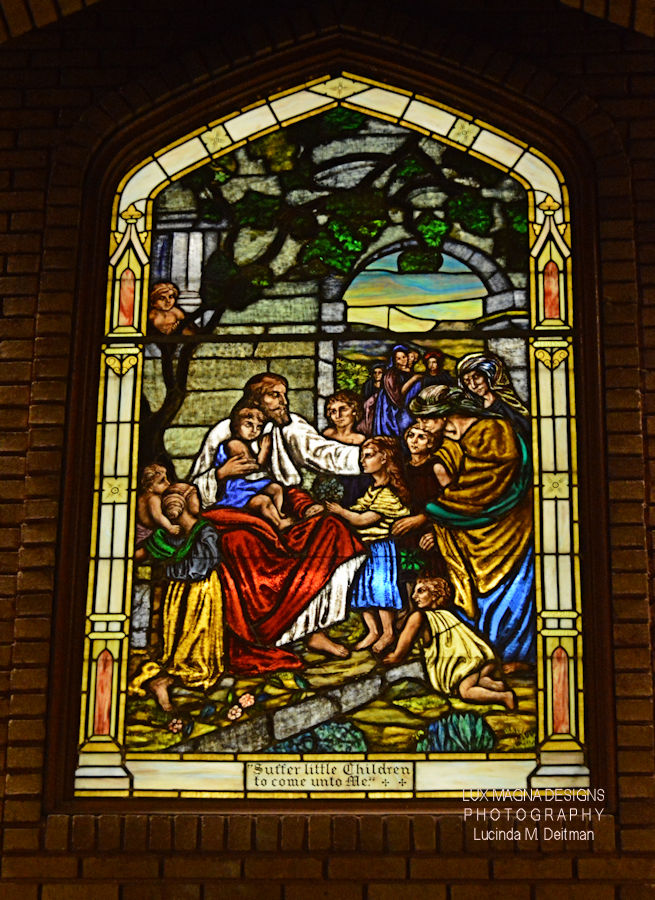

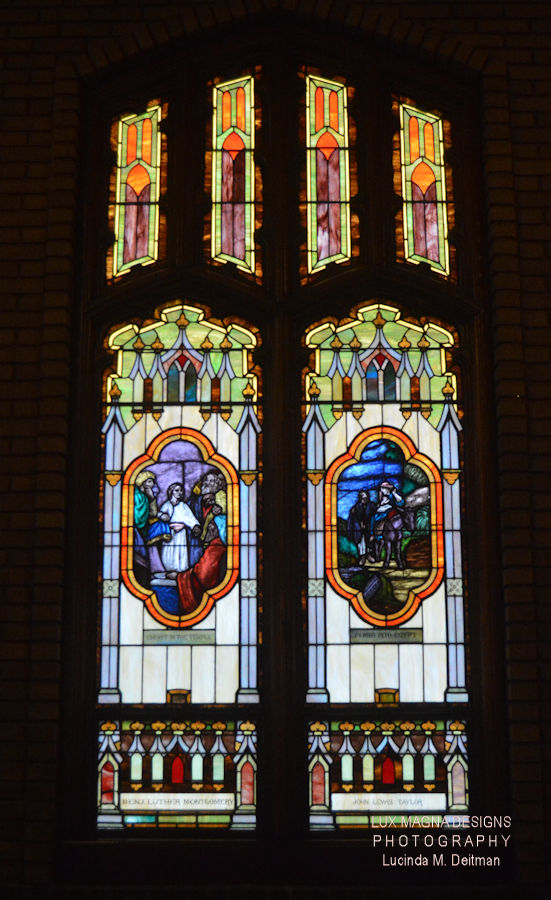

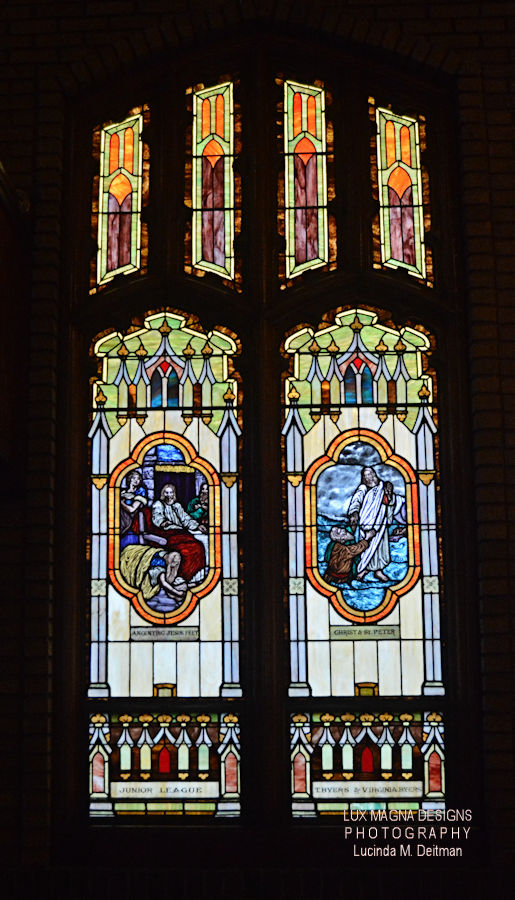
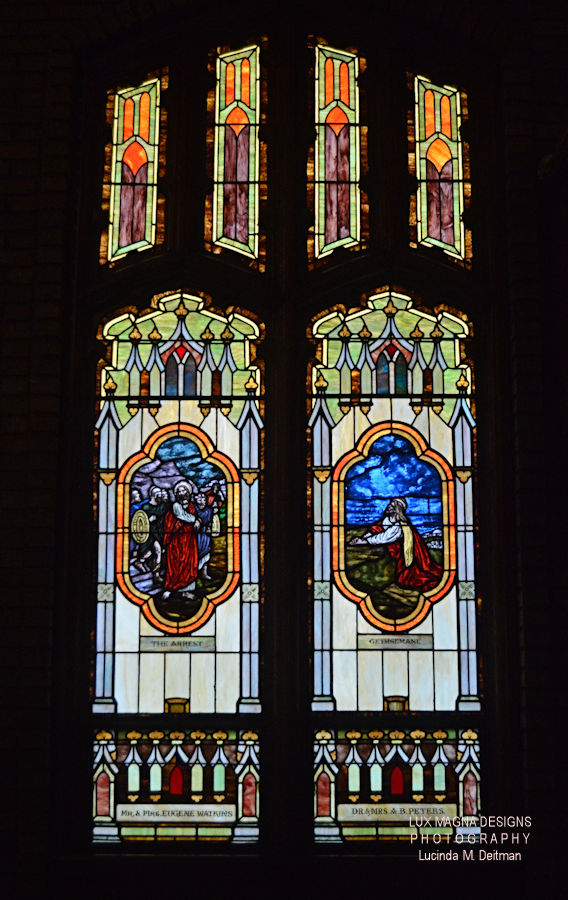
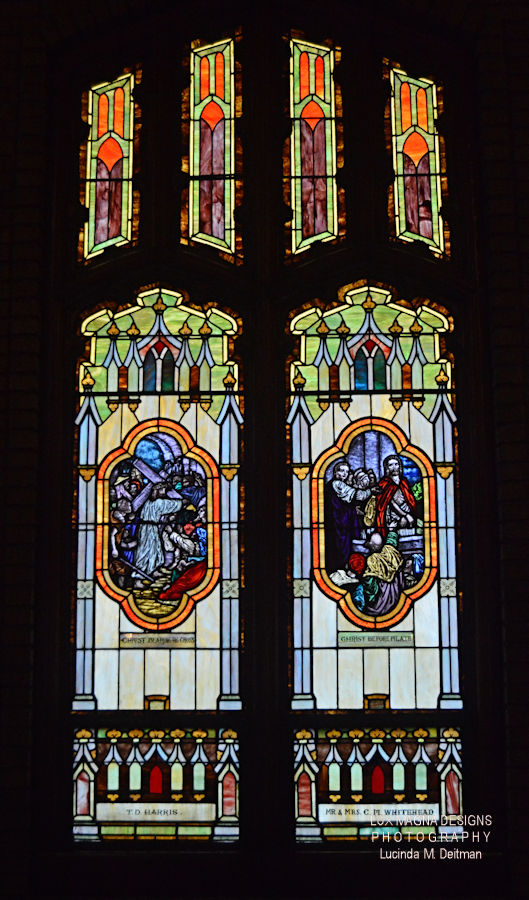

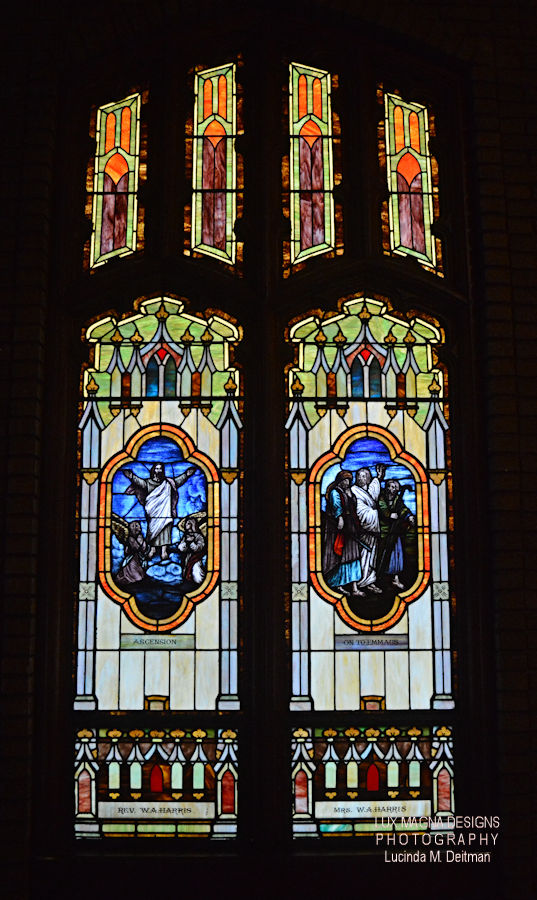

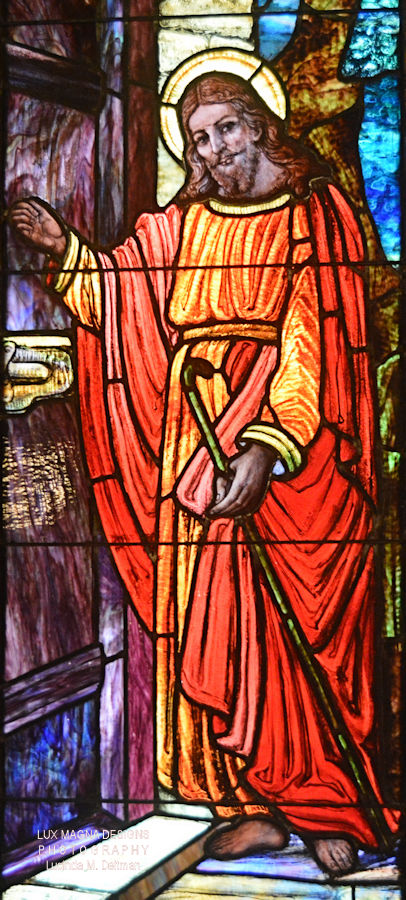
Founded in 1856, Manchester United Methodist Church has been a cornerstone of faith and community in Manchester, Georgia. Originally established as part of the Methodist Episcopal Church, the congregation has grown and evolved over the decades, reflecting the town’s rich history and spiritual heritage. The church has long been a gathering place for worship, fellowship, and service, supporting both its members and the broader community through outreach programs and ministries.
The church’s architecture and traditions have been preserved over time, with renovations and expansions ensuring its continued role as a place of worship and connection. With deep roots in Methodist teachings, Manchester United Methodist Church remains dedicated to its mission of faith, compassion, and service, welcoming all who seek spiritual growth and community support.


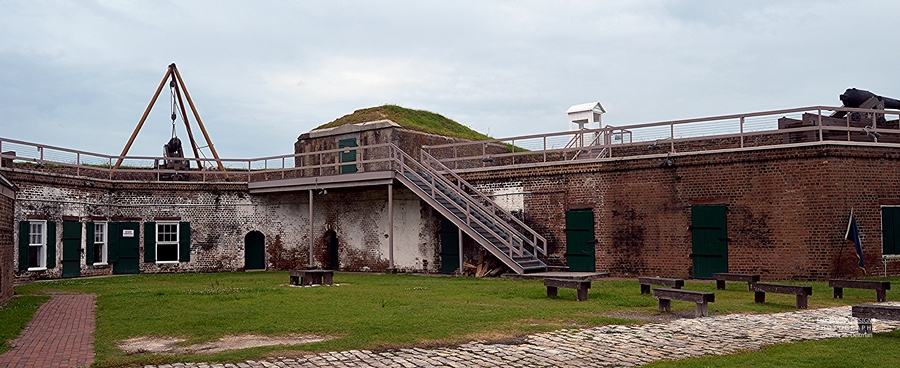
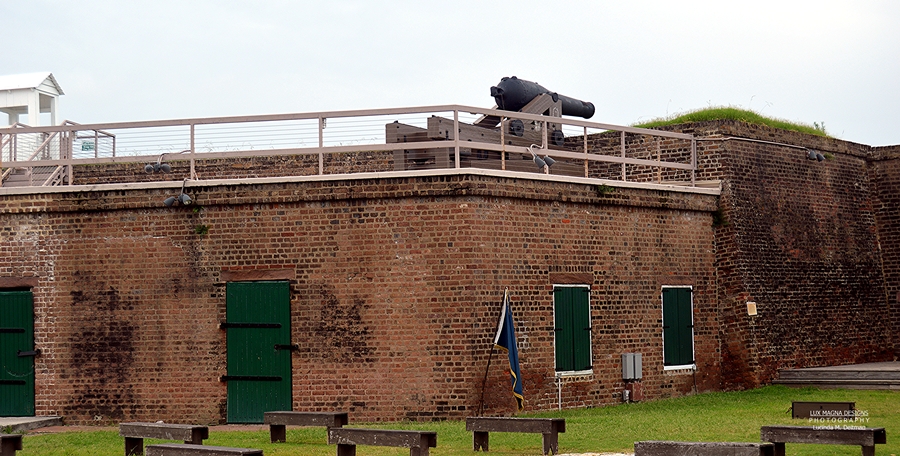
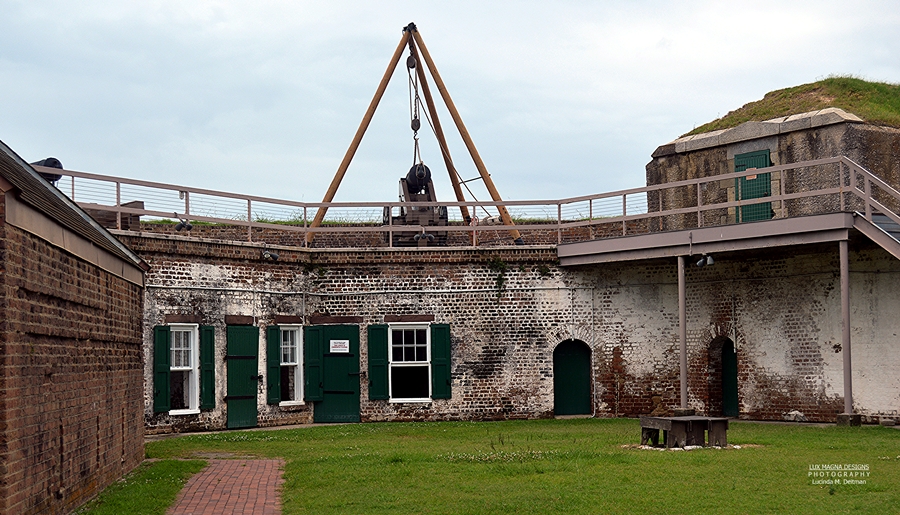
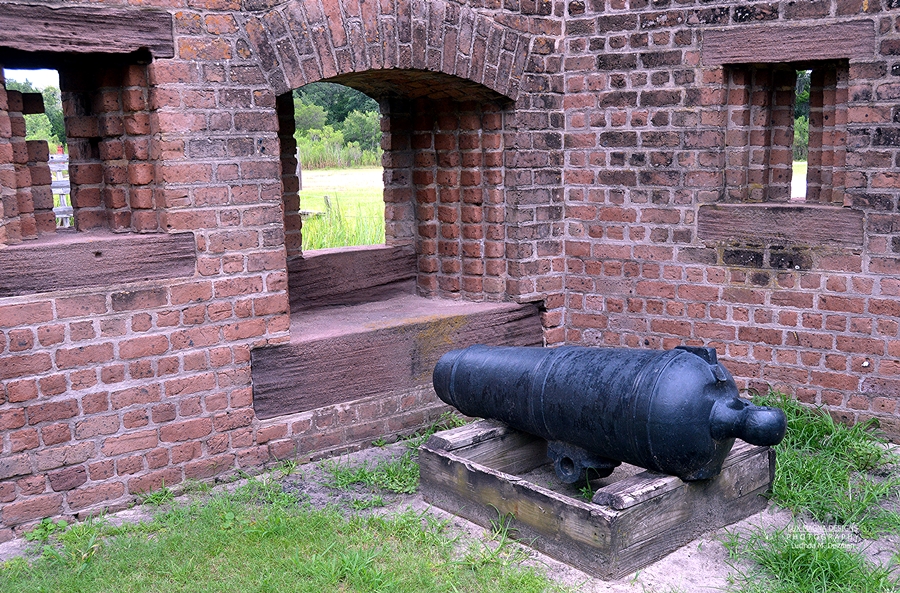





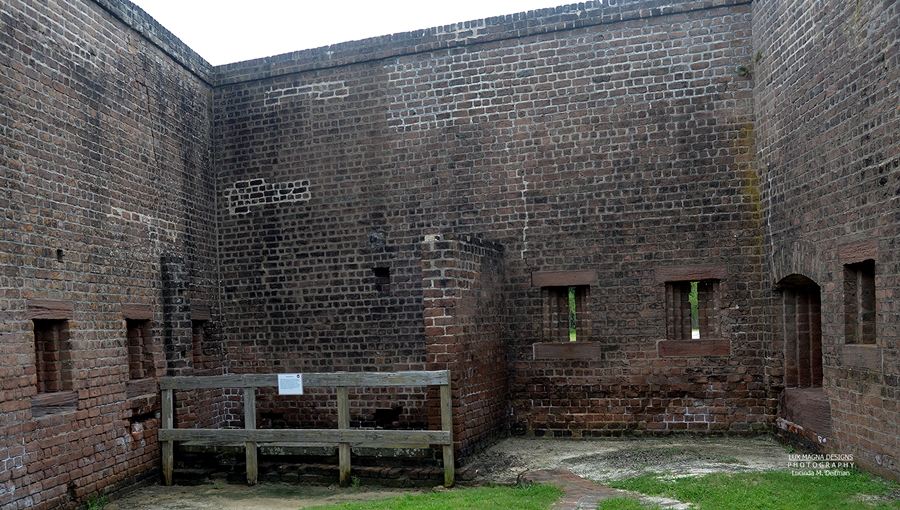
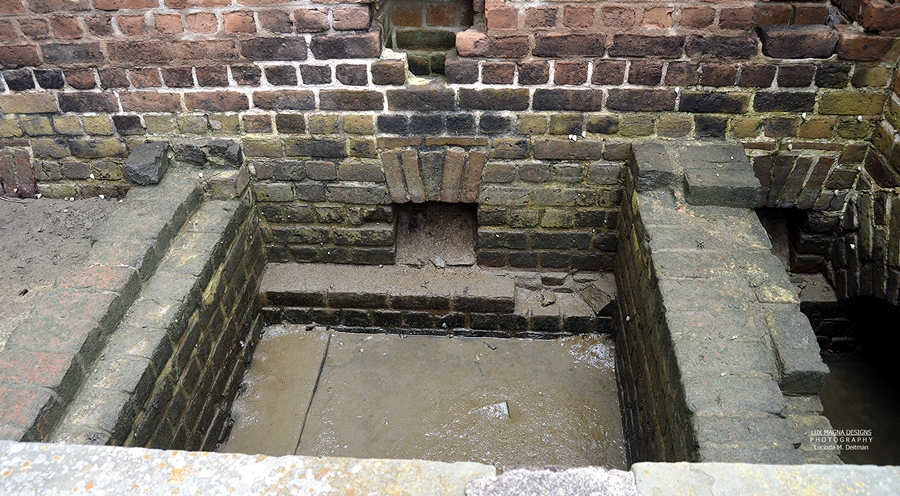
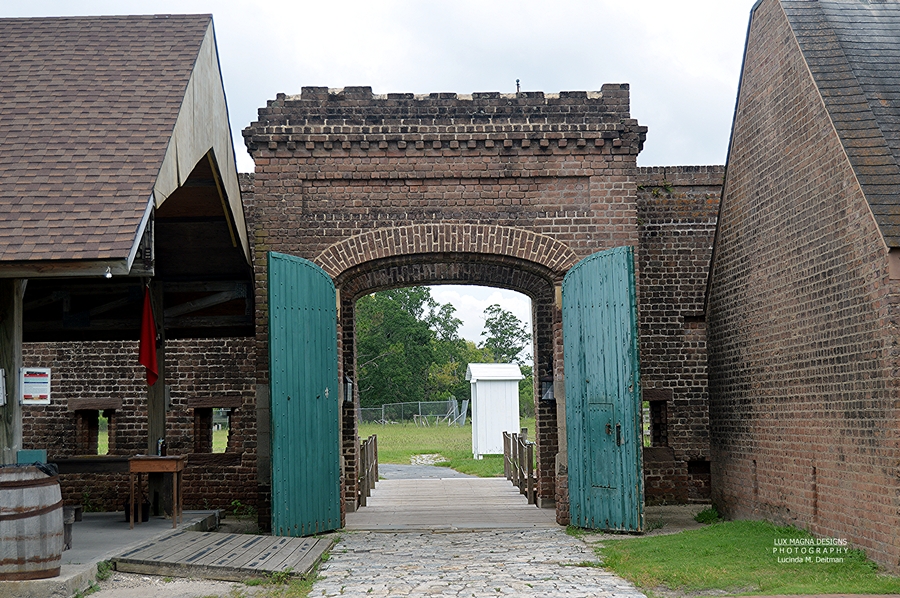

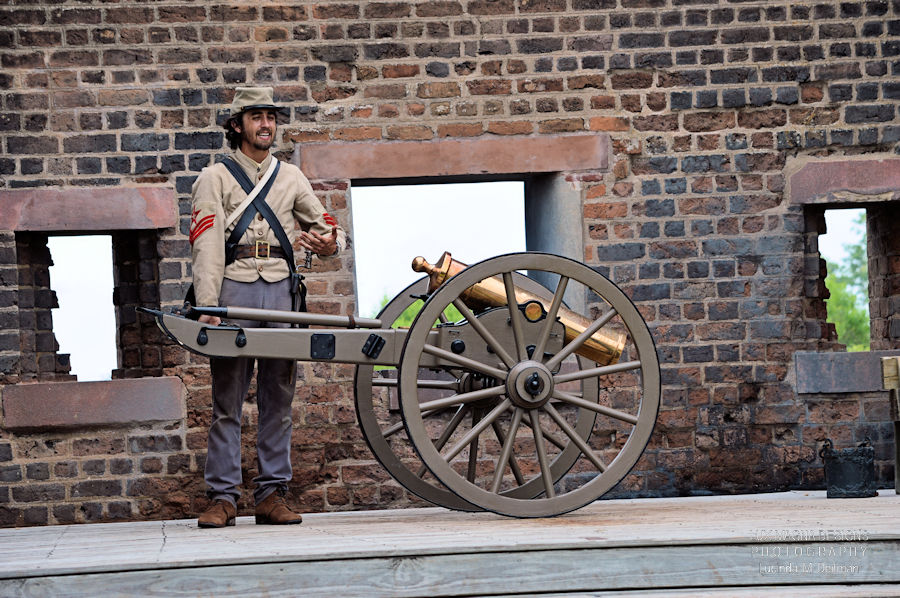
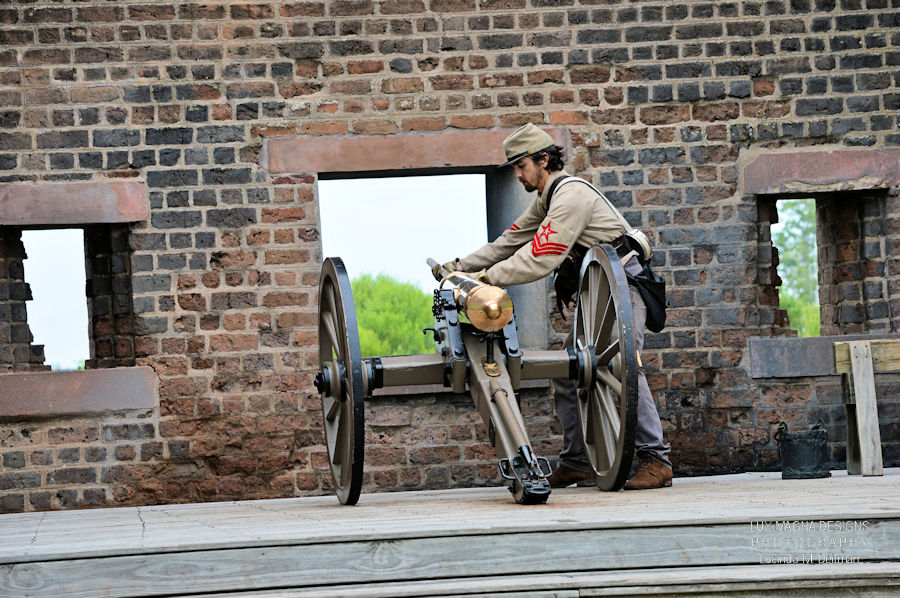

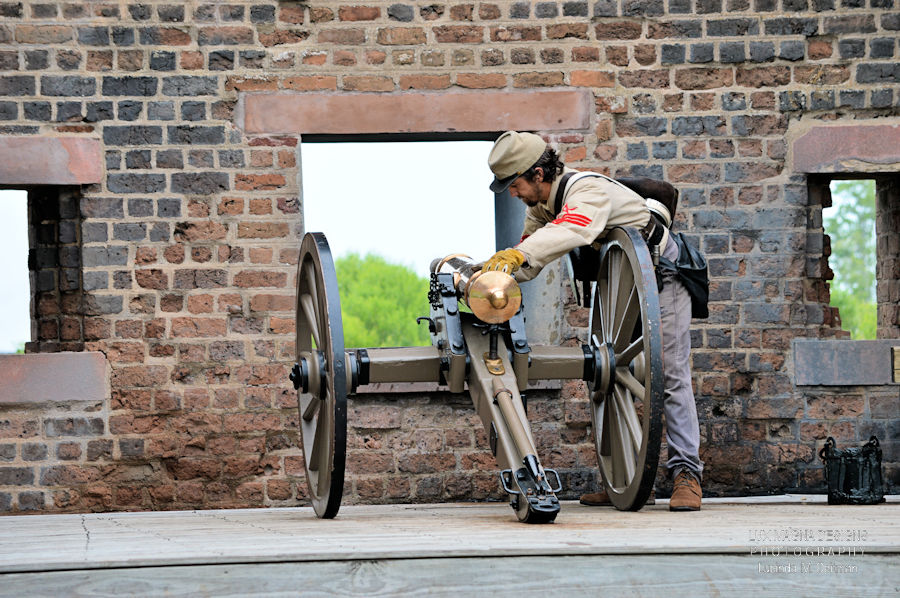


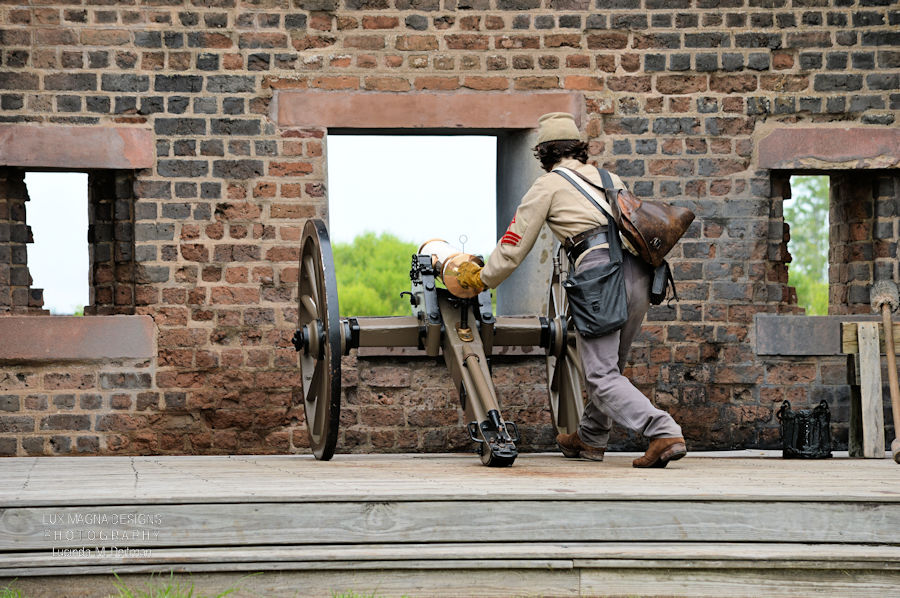


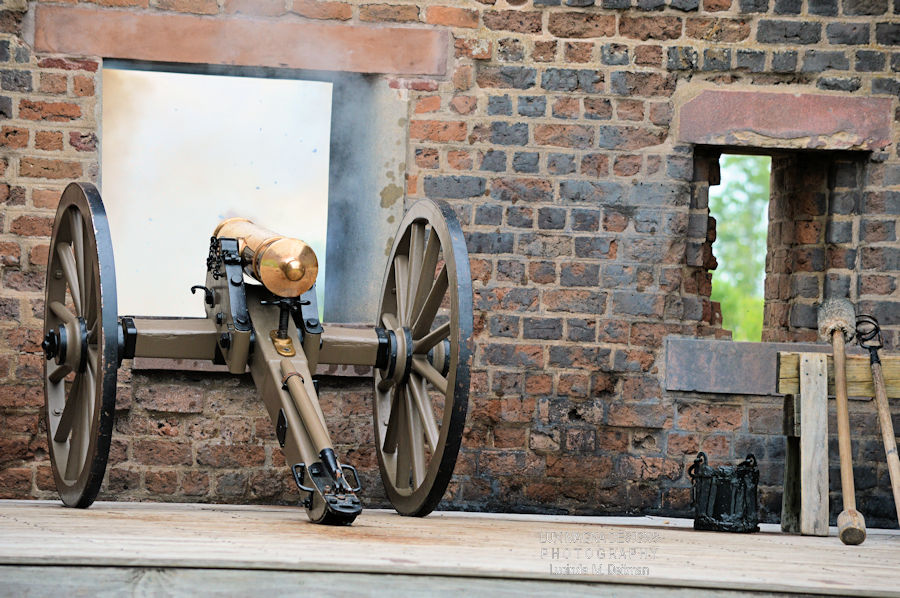
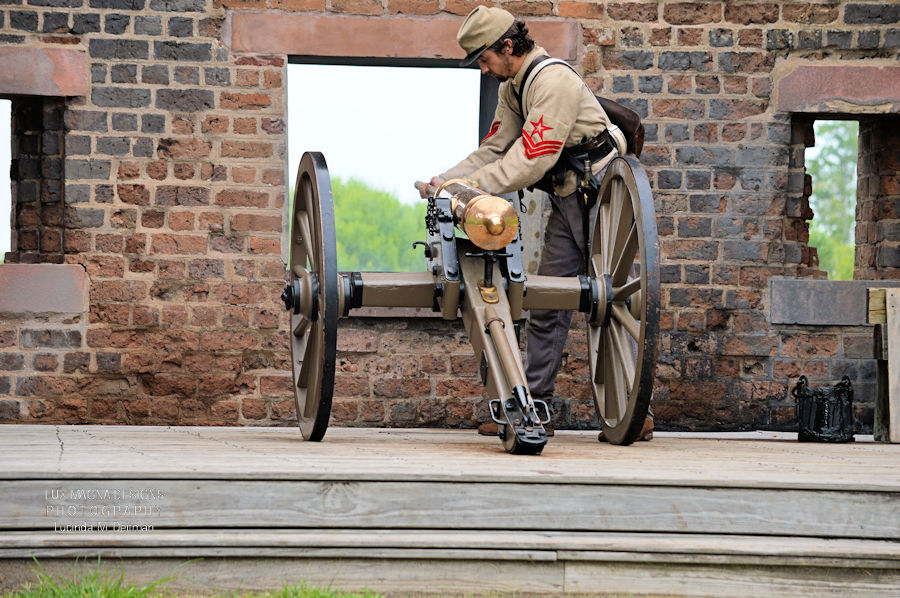
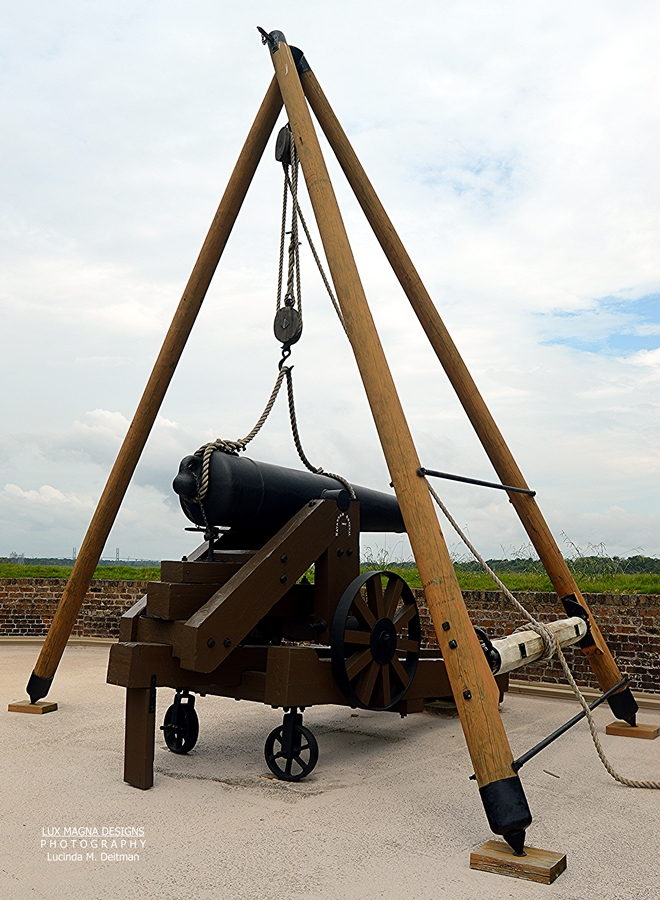
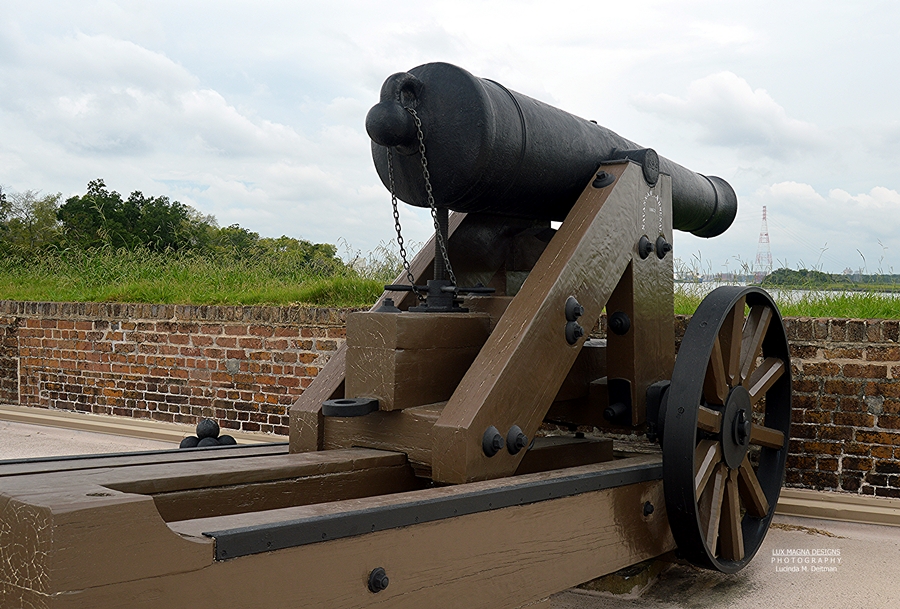


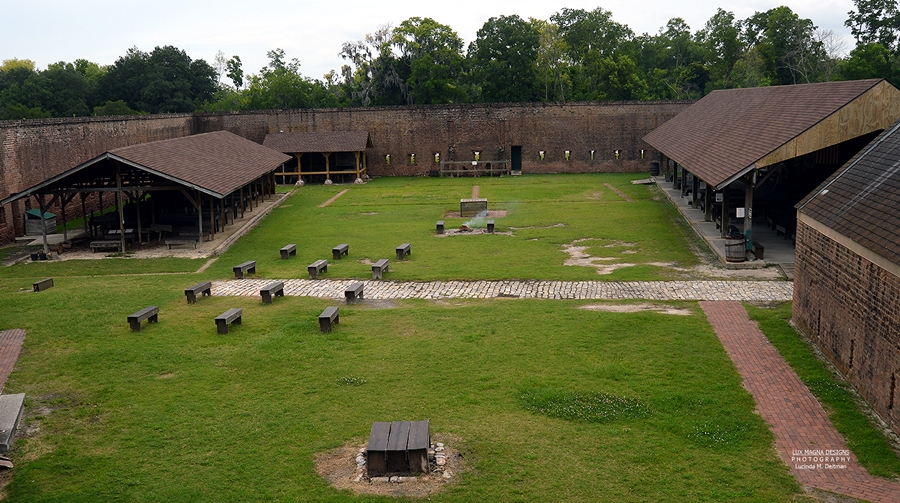





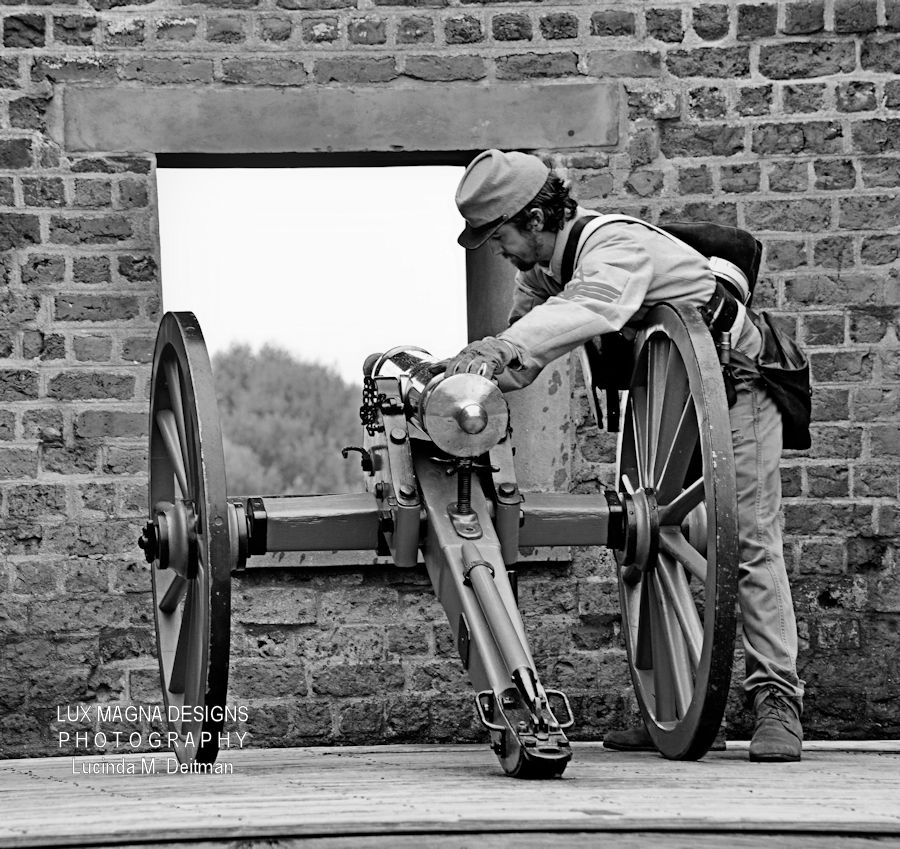

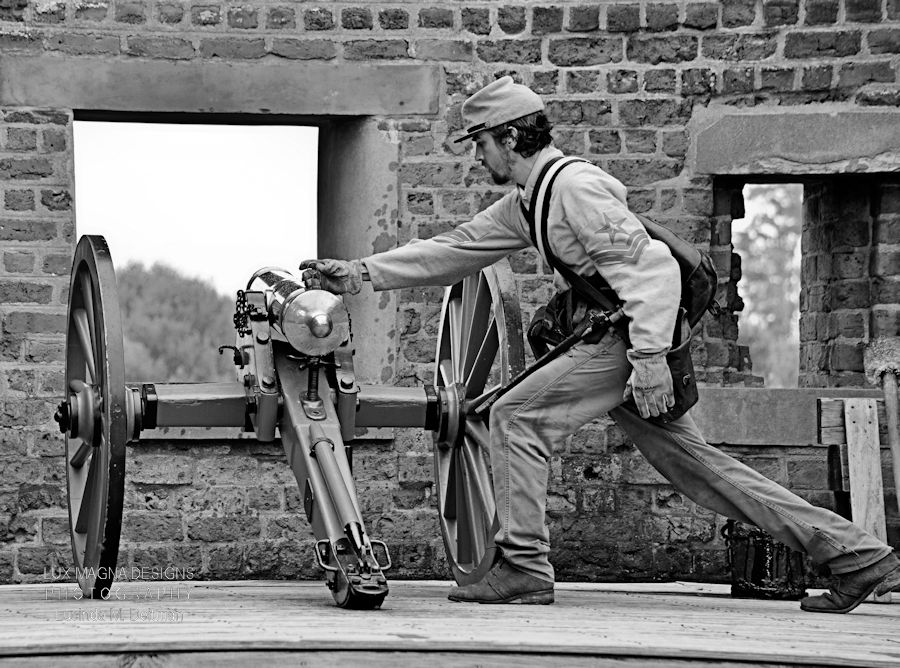


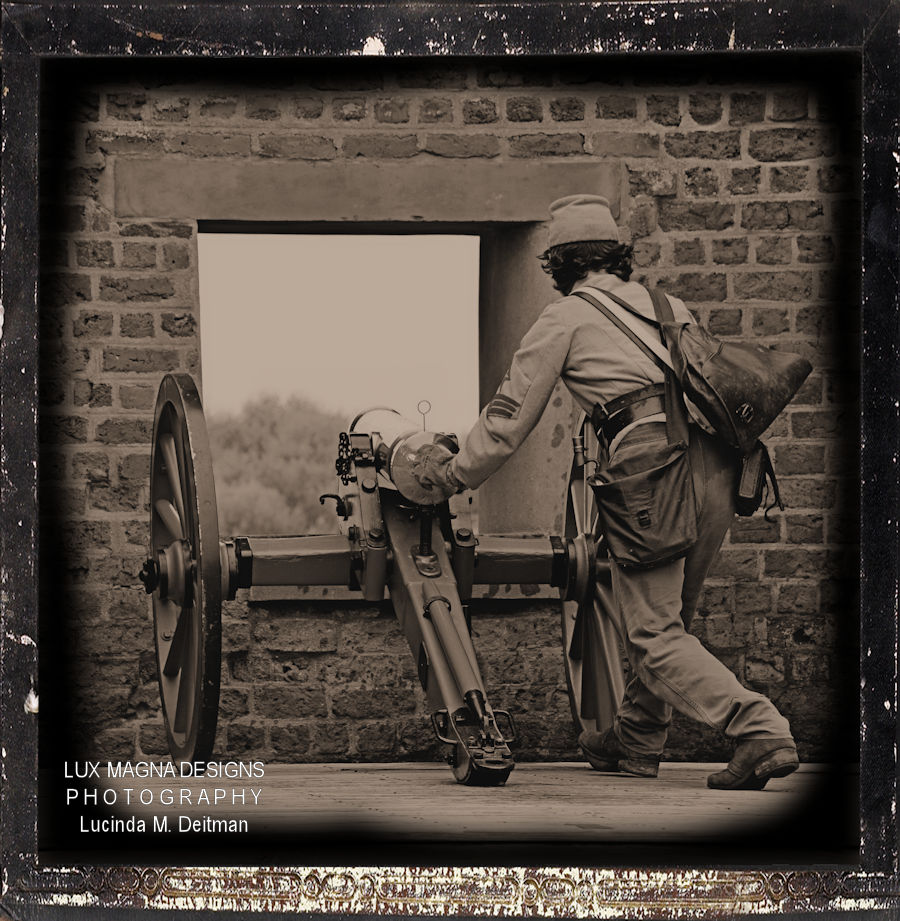
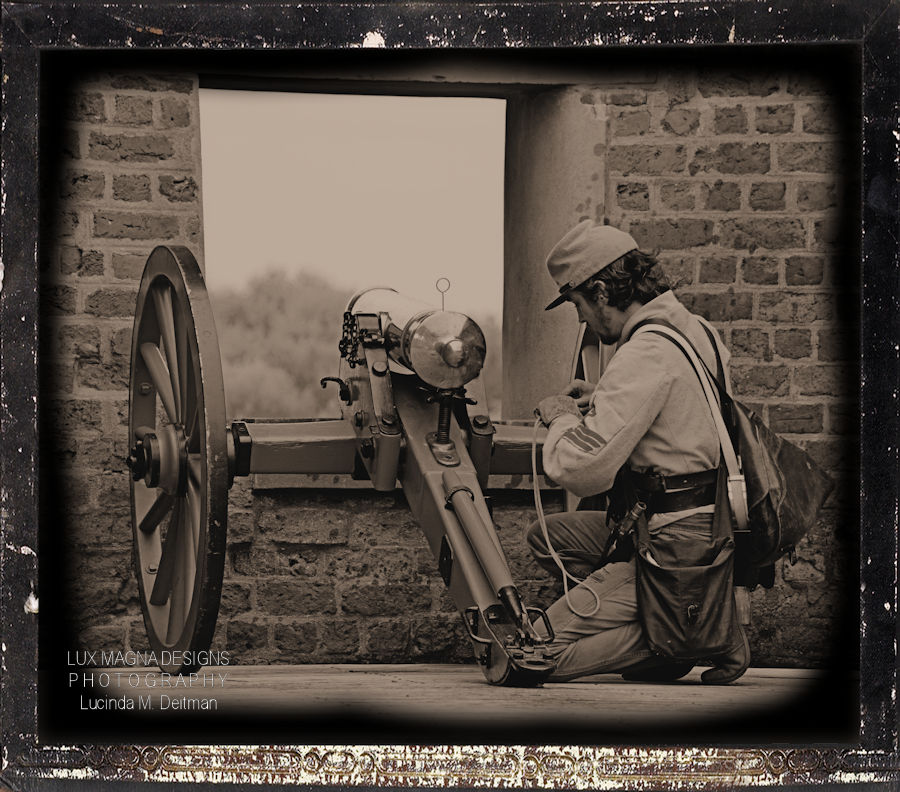

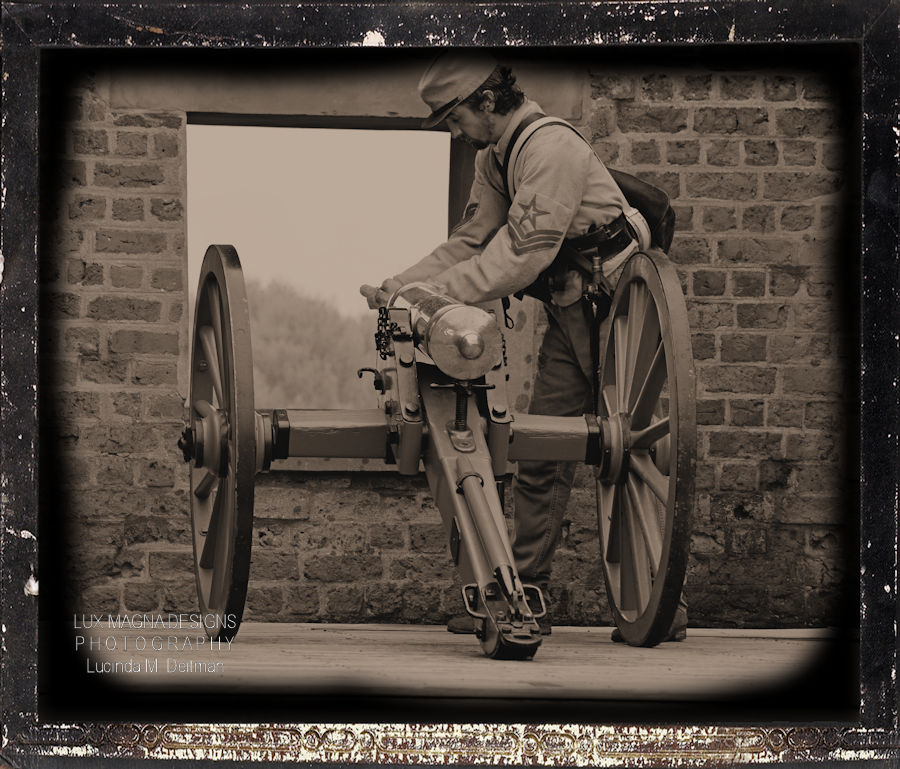
Exploring Fort Jackson: Savannah’s Oldest Brick Fortification
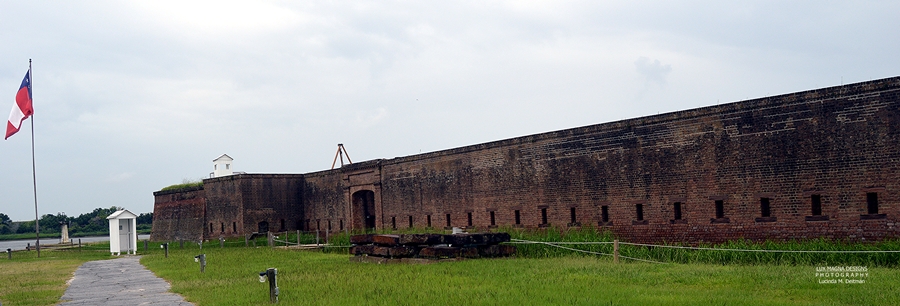
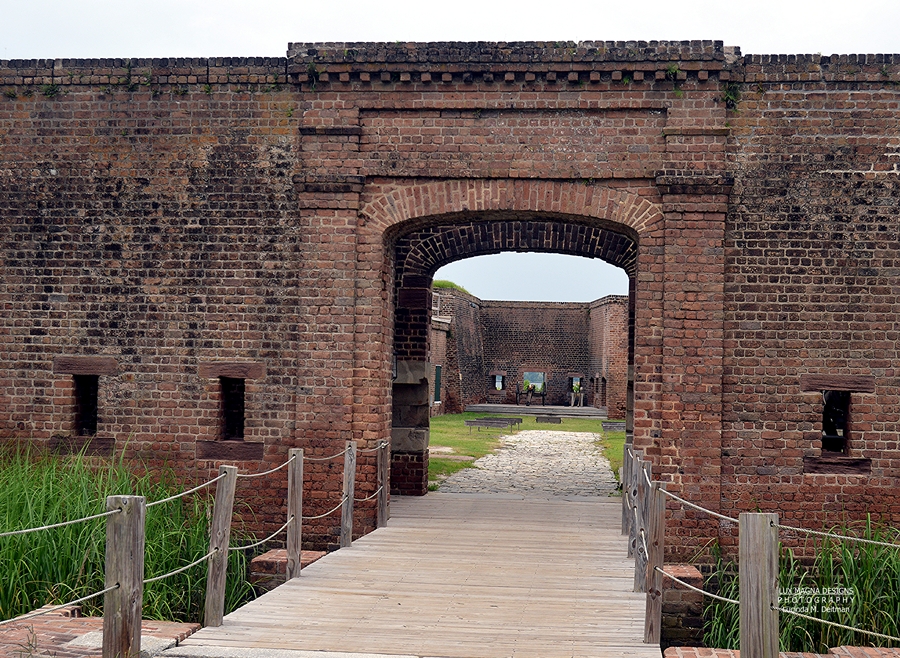
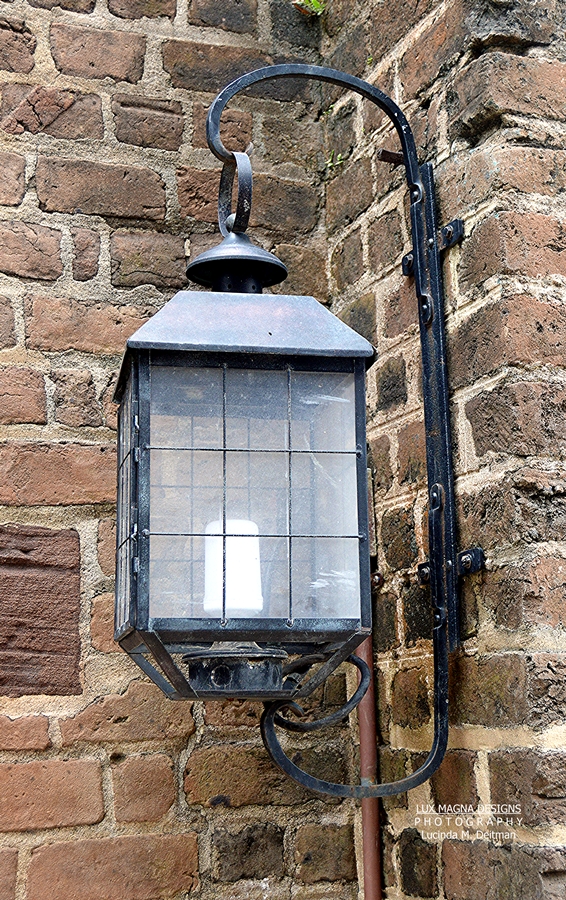
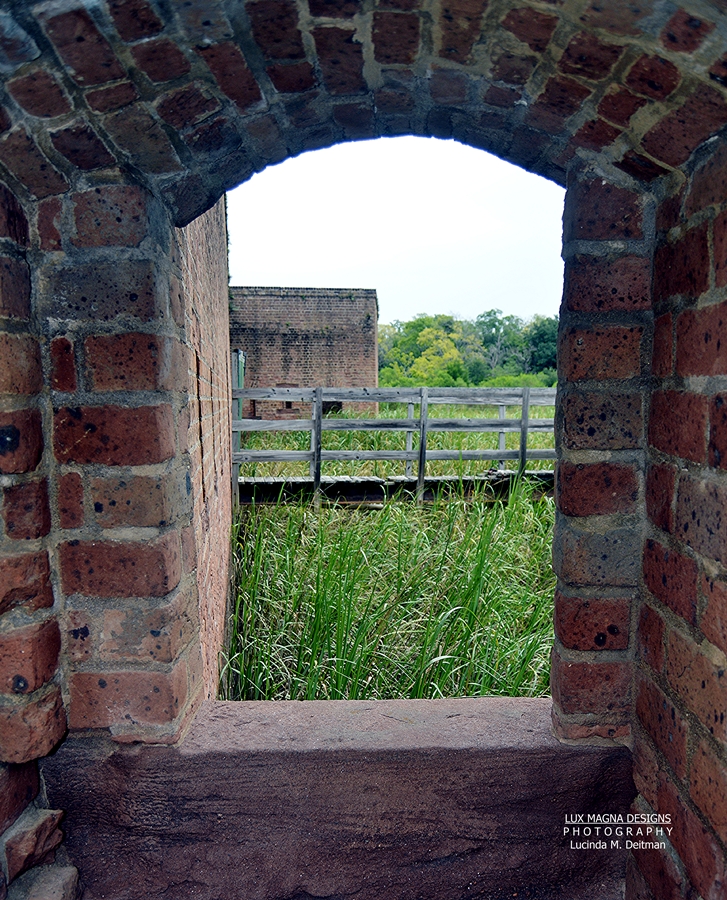
Savannah, Georgia, is a city brimming with history, from its charming cobblestone streets to its well-preserved colonial-era landmarks. Among its many historic sites, Fort James Jackson, more commonly known as Fort Jackson, stands as a testament to Savannah’s military past. As the oldest standing brick fort in Georgia, it offers visitors a glimpse into the city’s strategic importance during pivotal moments in American history.
Fort Jackson was constructed in 1808 as part of President Thomas Jefferson’s national defense strategy. The fort was strategically placed along the Savannah River to protect the city from potential naval attacks. Built using tabby concrete and brick, the fort was named after James Jackson, a Revolutionary War hero and a former governor of Georgia.
During the War of 1812, Fort Jackson played a crucial role in safeguarding Savannah from British naval forces. However, its most significant use came during the American Civil War. When Georgia seceded from the Union in 1861, Confederate forces took control of the fort, using it as a defensive stronghold. In 1864, as General William T. Sherman’s Union troops advanced through Georgia on his infamous March to the Sea, Fort Jackson fell to Union forces and remained under their control until the end of the war.
Following the Civil War, the fort was eventually abandoned and fell into disrepair. It wasn’t until the 20th century that preservation efforts restored Fort Jackson, leading to its designation as a National Historic Landmark in 2000. Today, it is maintained as part of the Coastal Heritage Society and serves as a living history museum. It was added to the National Register of Historic Places (NRHP) in 1970.
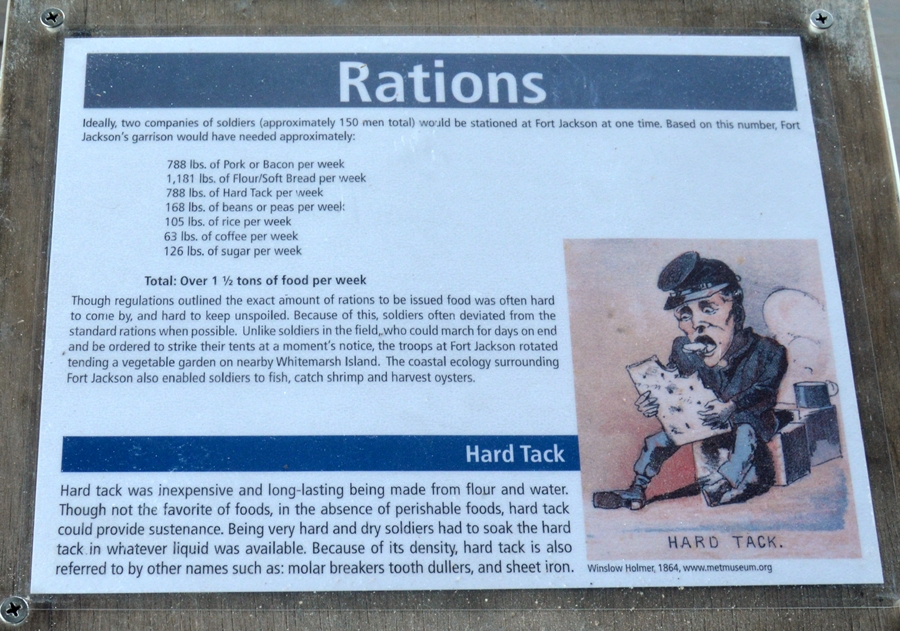
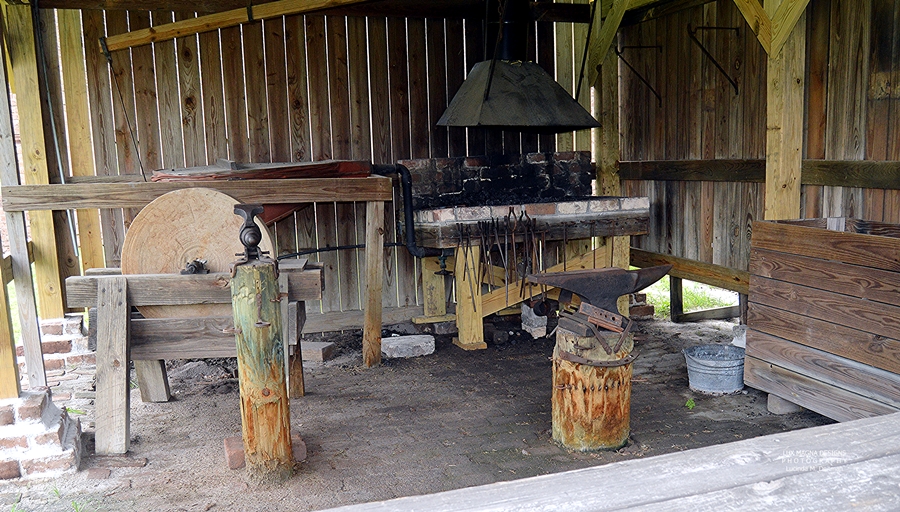
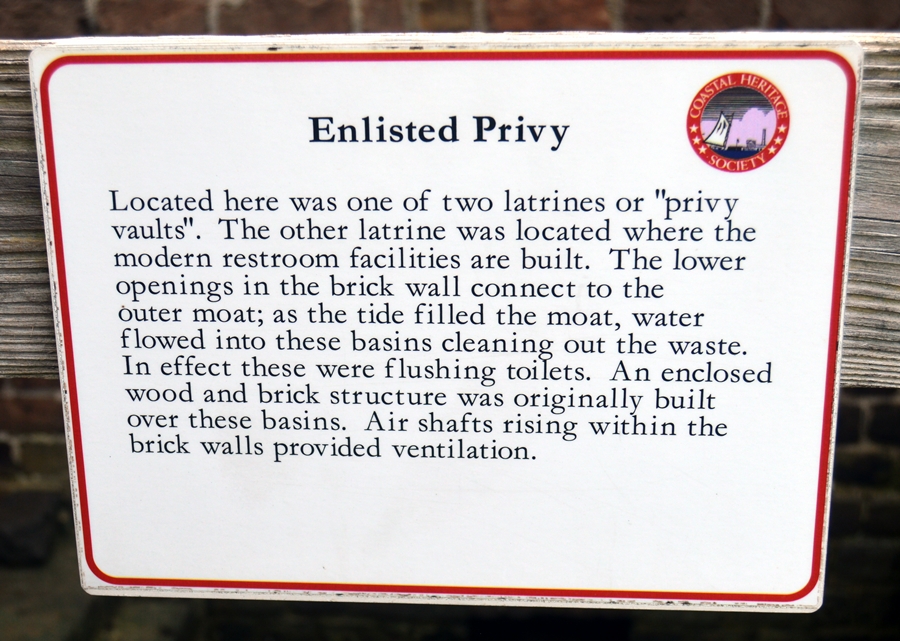
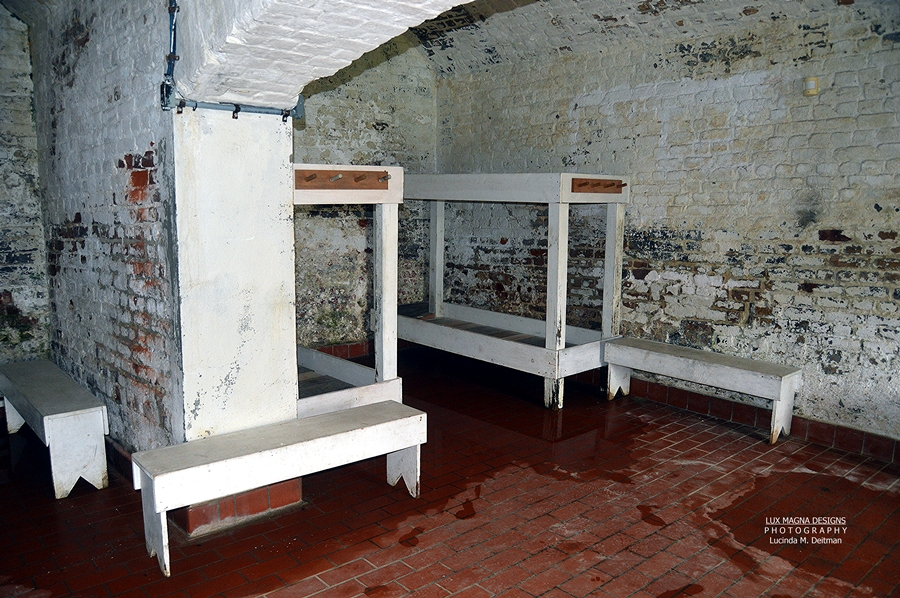
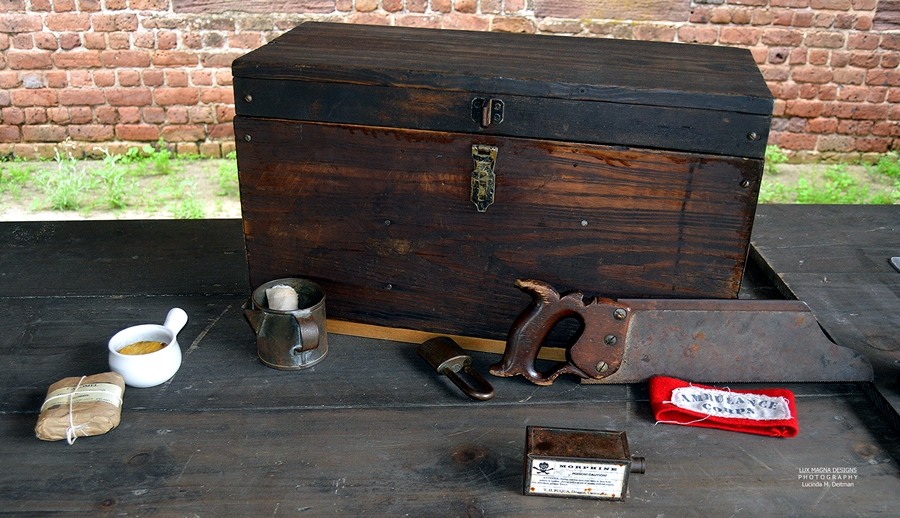
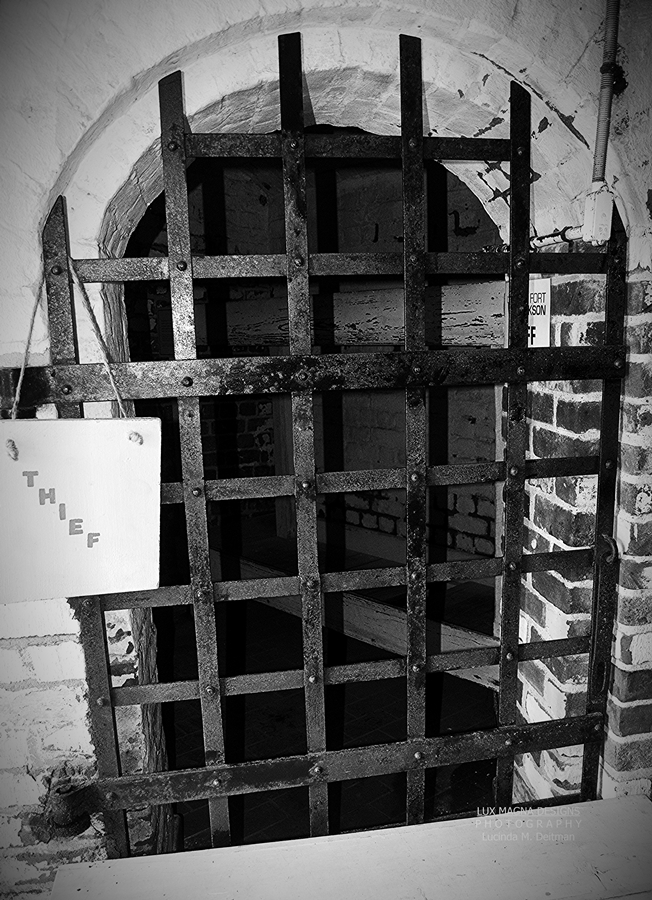
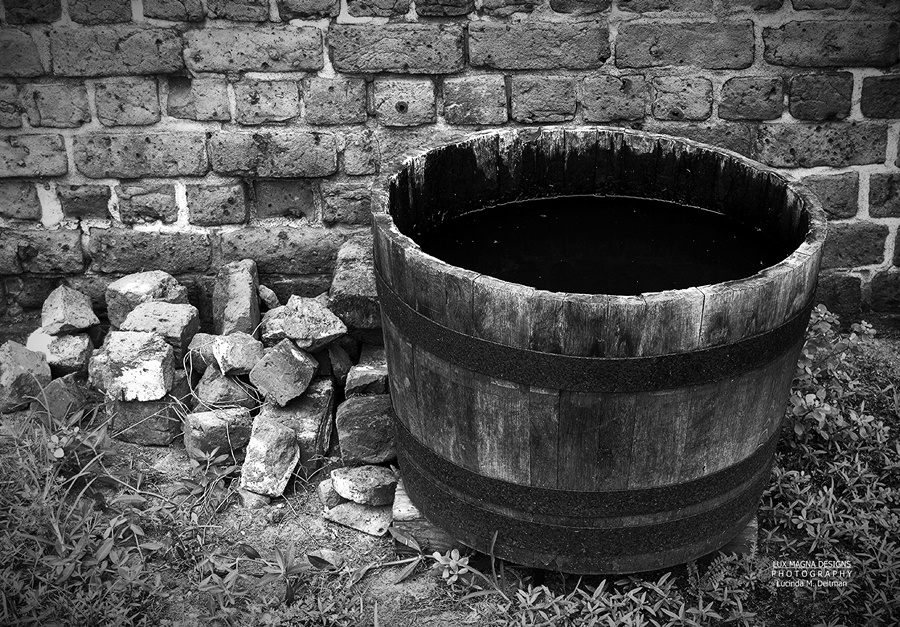
Visitors to Fort Jackson can experience a range of historical exhibits and interactive displays that bring its storied past to life. Some highlights include:
Fort Jackson is a must-visit for history lovers and anyone interested in Savannah’s military past. The fort is open to the public year-round, with seasonal events and educational programs that make history come alive. Whether you’re a Civil War buff or simply looking for a unique experience in Savannah, Fort Jackson offers an unforgettable journey into the city’s rich heritage.

With her untied Converse sneakers hinting at carefree youth, a young girl stands poised in her golf outfit, gripping a putter with quiet determination. Captured in timeless black and white, the image freezes the moment of her focused triumph as the ball sinks neatly into the hole. Her concentration reveals the early spark of passion for the game, while the contrast of her casual sneakers and precise stance tells a story of playful ambition and budding skill.


 Lux Magna Designs