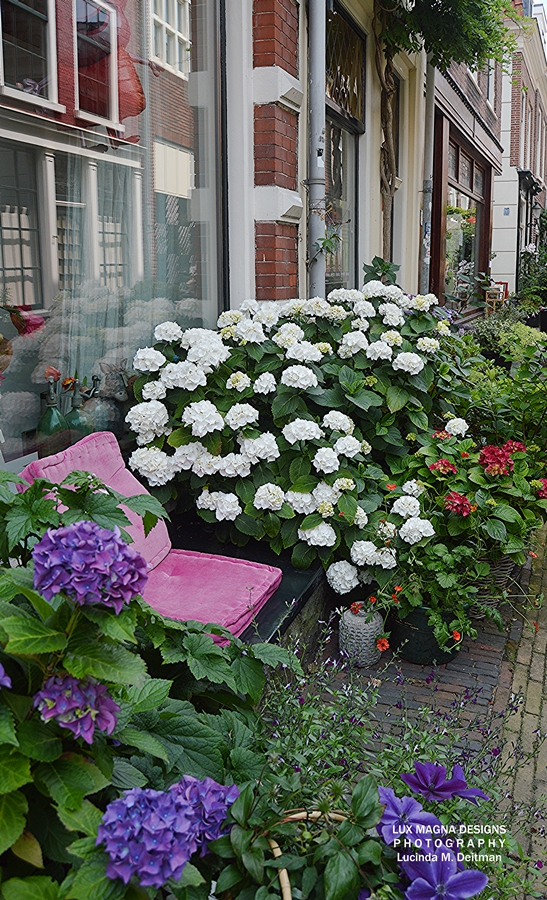
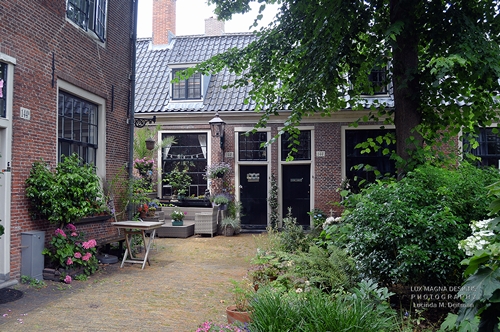
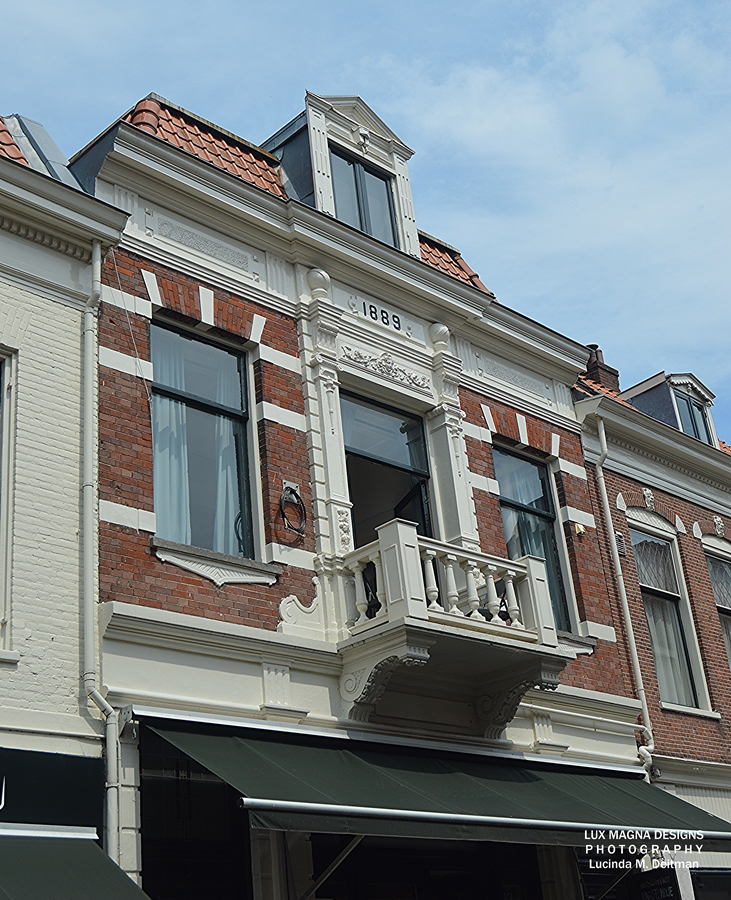
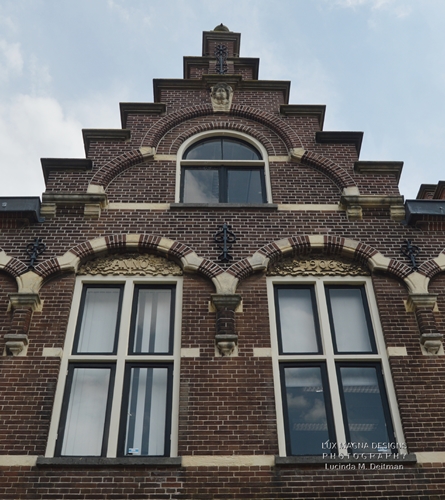
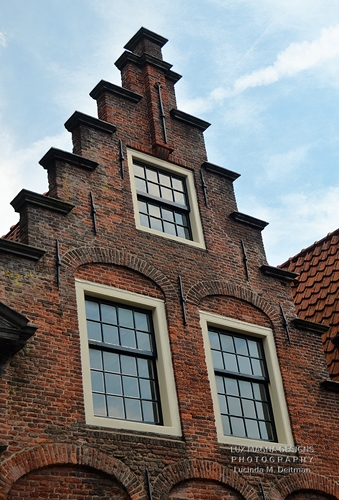
Strolling through Haarlem is like stepping into a living painting. The city’s iconic gabled houses, with their intricate facades and centuries-old brickwork, tell the story of a past shaped by trade, artistry, and craftsmanship. Many of these homes date back to the Dutch Golden Age, when Haarlem thrived as a center for culture and commerce. Cobblestone streets weave between them, connecting lively marketplaces and quiet canals, offering a timeless charm that has captivated visitors for generations.
Haarlem’s origins date back to at least the 10th century, when it was mentioned as a fortified town. By the 12th century, it had become the residence of the Counts of Holland, solidifying its importance in the region. In 1245, Haarlem was officially granted city rights, marking its transition into a thriving urban center.
Throughout the Middle Ages, Haarlem endured several conflicts, including civil wars in Holland and a devastating siege during the Dutch Revolt (1572–1573). Despite these hardships, the city flourished in the 17th century, becoming a refuge for Huguenots and an artistic hub. This period saw the rise of the Haarlem school of painting, which included renowned artists like Frans Hals, Salomon van Ruysdael, and Jacob van Ruisdael.
Haarlem remains a vibrant city, known as the Bloemenstad (Flower City) due to its historical role in the tulip bulb-growing industry. It is also part of the Amsterdam metropolitan area, offering a blend of historical elegance and modern energy.
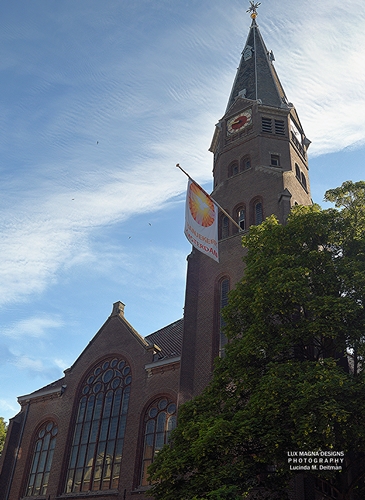
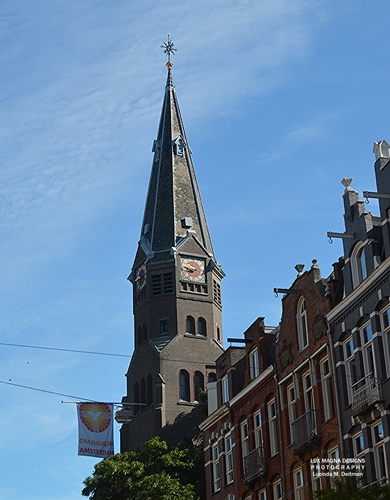
Nestled in the vibrant and eclectic neighborhood of Amsterdam-Oost, Oranjekerk (Orange Church) stands as a charming and often overlooked architectural gem. With its striking neo-Gothic design, tranquil atmosphere, and rich cultural history, Oranjekerk offers visitors a peaceful escape from the bustling streets of Amsterdam. Whether you’re a lover of architecture, history, or simply seeking a quiet place to reflect, Oranjekerk is well worth a visit.
The History of Oranjekerk
Oranjekerk was built between 1893 and 1895, designed by architect H.A.J. Baanders in the neo-Gothic style. The church was constructed as a response to the growing population in the eastern part of Amsterdam during the late 19th century. At the time, Amsterdam was experiencing rapid urbanization, and a new place of worship was needed to serve the local community.
The church was originally named after the Dutch royal family, the House of Orange-Nassau, which is still reflected in the name “Oranjekerk.” The royal connection was a gesture of loyalty and respect for the monarchy, and the church became a significant symbol of Dutch national pride. Today, Oranjekerk remains a place of worship and community for the residents of Amsterdam-Oost and beyond.
Architectural Beauty of Oranjekerk
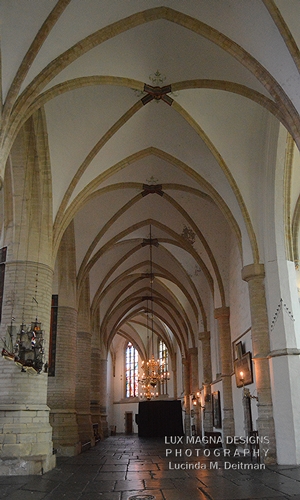
The architectural design of Oranjekerk is one of its most captivating features. The church is built in the neo-Gothic style, which was popular in the late 19th century and characterized by pointed arches, ribbed vaults, and flying buttresses. The church’s towering spire rises majestically above the neighborhood, drawing the eye to its intricate stonework and stained-glass windows.
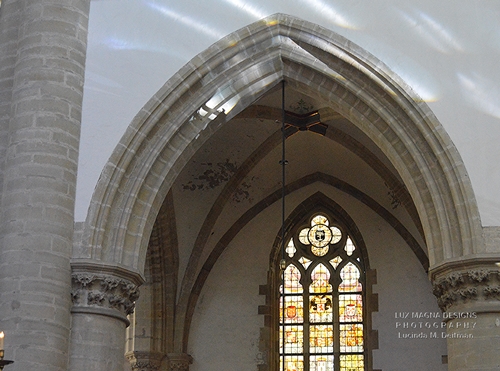
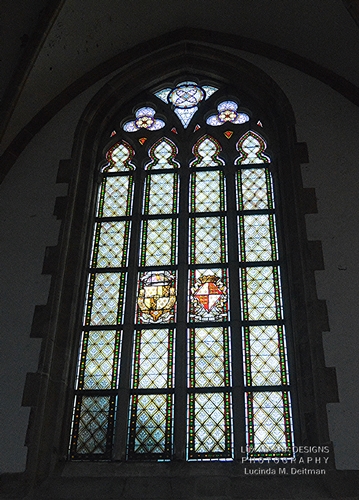
The interior of Oranjekerk is just as impressive as its exterior. Inside, the soaring ceilings and stunning stained-glass windows create a peaceful and awe-inspiring atmosphere. The windows, many of which depict biblical scenes, flood the interior with natural light, creating a serene ambiance perfect for contemplation or simply appreciating the craftsmanship.
One of the most striking features of Oranjekerk is its organ, a magnificent instrument that was installed in 1895. The organ, with its beautiful pipes and intricate design, remains a centerpiece of the church’s musical life and is regularly used in concerts and services.
Cultural and Community Importance
While Oranjekerk is primarily known for its religious functions, it has also become a center for culture and community within the area. Over the years, the church has hosted various events, from classical music concerts to art exhibitions, making it an integral part of the cultural landscape in Amsterdam-Oost.
The church is also a key part of the local community. In recent years, it has become a popular venue for local gatherings, spiritual events, and social activities. Its welcoming atmosphere and commitment to supporting the local community make it a special place for residents and visitors alike.
Photography Opportunities at Oranjekerk
Oranjekerk offers photographers plenty of opportunities to capture its beauty and tranquility. The church’s striking neo-Gothic exterior is perfect for wide-angle shots, especially with the dramatic backdrop of the Amsterdam-Oost skyline. The towering spire, intricate stonework, and detailed façade make it a great subject for architectural photography.
Inside the church, the stained-glass windows are a photographer’s dream. The soft, colorful light filtering through the glass creates a magical atmosphere, ideal for capturing the interplay of light and shadow. The high ceilings, ornate organ, and sweeping lines of the interior offer numerous angles for capturing the grandeur and serenity of the space.
If you’re lucky enough to catch one of the church’s musical performances, photographing the organ or capturing the performance in the space can provide a unique perspective on the church’s cultural significance.
Visiting Oranjekerk
Oranjekerk is located in Amsterdam-Oost, an area that is fast becoming one of the city’s most dynamic and vibrant neighborhoods. The church itself is easily accessible by public transport, with several trams and buses passing nearby. It’s also just a short walk from the popular Oosterpark, making it a perfect stop for those exploring this part of the city.
If you plan to visit, it’s worth checking out the church’s schedule in advance, as it often hosts concerts, services, and other community events. The church is also a great place for a quiet moment of reflection, away from the crowds in the city center.
For photographers, visiting Oranjekerk offers an opportunity to capture a quieter, more intimate side of Amsterdam. It’s a hidden gem that showcases the city’s rich architectural and cultural heritage.
Conclusion
Whether you’re seeking to admire stunning neo-Gothic architecture, enjoy a peaceful moment of reflection, or explore one of Amsterdam’s lesser-known cultural gems, Oranjekerk offers something special for every visitor. Its historical significance, architectural beauty, and vibrant role in the community make it a must-visit for those looking to experience a different side of Amsterdam, away from the usual tourist attractions.
So, next time you find yourself in Amsterdam, take a detour to the Oranjekerk in Amsterdam-Oost, where history, culture, and serenity blend seamlessly together, offering a unique and enriching experience.
Photography Tips for Oranjekerk:
Golden Hour: Capture the church’s exterior during the early morning or late afternoon when the light enhances its neo-Gothic features.
Interior Shots: Focus on the stained-glass windows, especially when the sun is low, as it creates beautiful light patterns inside.
Details: Don’t forget to photograph the intricate stone carvings, the organ, and the sweeping arches of the church’s interior.
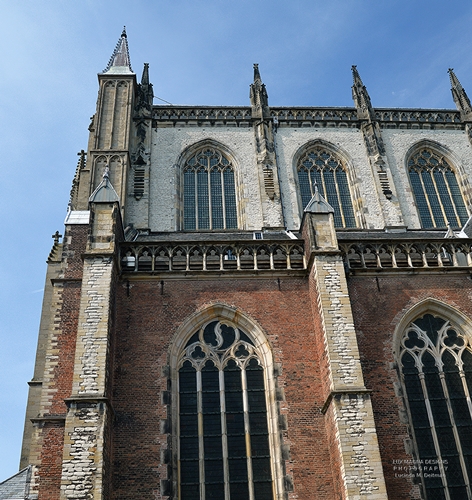
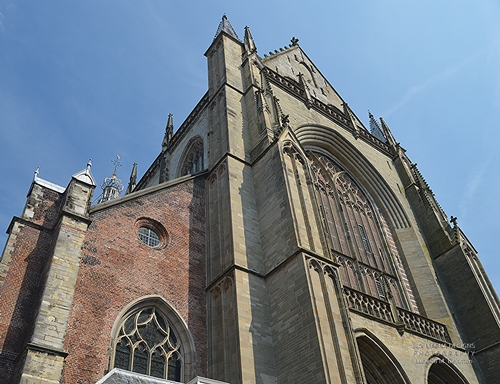
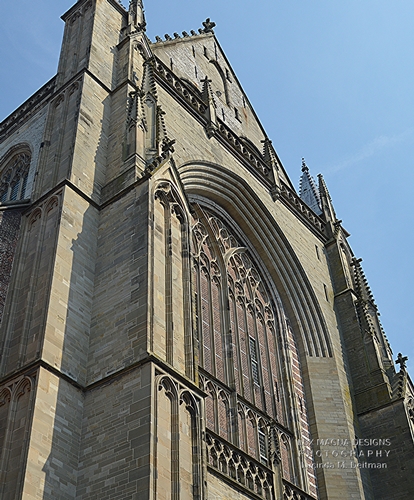
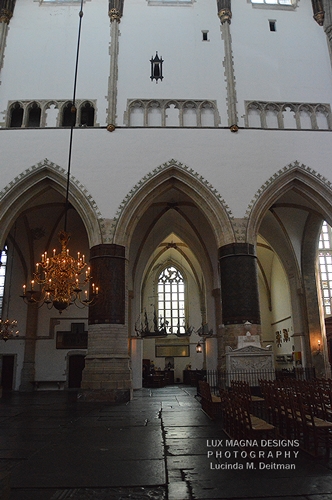
St. Bavo’s Church in Haarlem, Netherlands, is a masterpiece of Gothic and Renaissance architecture with a fascinating history. Officially known as the Grote Kerk, this majestic church dates back to the 14th century, although it has undergone several renovations over the years. The exterior showcases intricate brickwork, flying buttresses, and towering spires that make it a quintessential example of medieval Dutch craftsmanship. Its imposing presence dominates Haarlem’s skyline and serves as a symbol of the city’s cultural and spiritual heritage.
Inside the church lies one of its most extraordinary features: the Müller organ. Built in 1738 by Christian Müller, this organ is renowned for its size and sound quality, standing at an impressive 30 meters (98 feet) tall with over 5,000 pipes. It has been played by some of history’s greatest musicians, including Wolfgang Amadeus Mozart and George Frideric Handel. The organ’s ornate design, with gilded angels and detailed woodwork, complements the church’s serene ambiance.
Adding to the splendor are the stained glass windows, which depict Biblical scenes and historical figures in vivid detail. These windows bathe the interior in a kaleidoscope of colors as sunlight streams through, enhancing the spiritual and artistic atmosphere. Together, the architecture, organ, and stained glass make St. Bavo’s Church a true treasure of Haarlem.
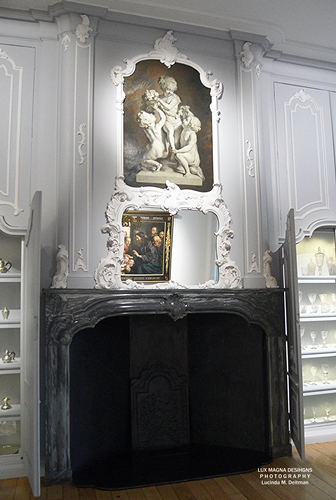
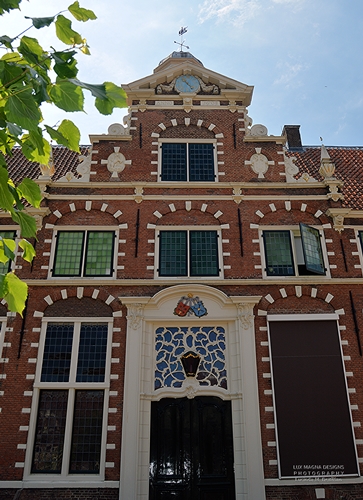
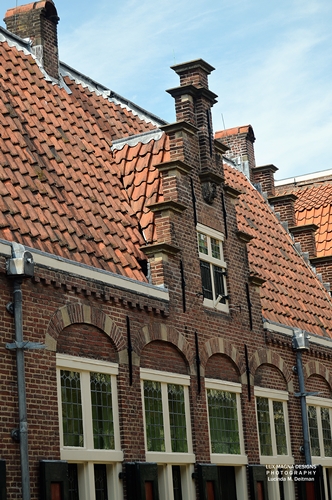
The Frans Hals Museum, located in Haarlem, Netherlands, is a remarkable institution celebrating art and history. Named after the esteemed Dutch Golden Age painter Frans Hals, the museum houses the largest collection of his works, including dynamic group portraits and vivid depictions of 17th-century life. Alongside Frans Hals, the museum showcases works by other Haarlem masters, such as Judith Leyster, Cornelis van Haarlem, and Jacob van Ruisdael, offering a comprehensive glimpse into the city’s artistic heritage.
The museum’s story is intertwined with the history of its building, originally the Haarlem Old Men’s Almshouse (Oudemannenhuis), established in 1609. In 1810, the almshouse was repurposed into a municipal orphanage, providing shelter and care for orphaned children for nearly a century. The orphanage was known for its distinctive uniforms, with the children wearing outfits featuring one red sleeve and one blue sleeve—a detail that has become a part of the area’s historical narrative. One of its notable residents was Jacobus van Looy, who grew up to become a celebrated painter and writer.
In 1908, the orphanage moved to a new location, and the building underwent another transformation to become the Frans Hals Museum, officially opening in 1913. The museum now offers visitors a dual experience, with historical art in its Hof location, housed in the former orphanage, and modern and contemporary works at its Hal location on the Grote Markt. Through its exhibitions, interactive programs, and workshops, the museum preserves the legacy of Frans Hals and other Haarlem artists while honoring its own unique history as both an almshouse and orphanage.
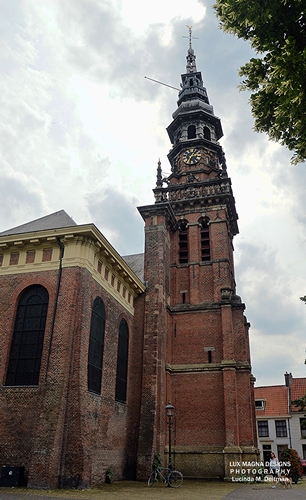
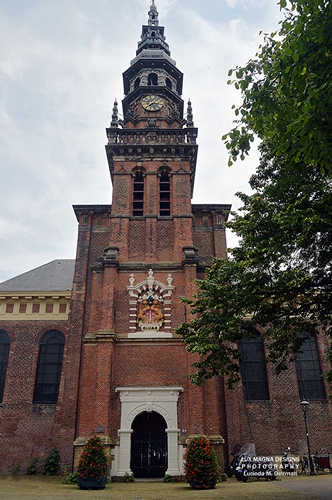
De Nieuwe Kerk, or “The New Church,” stands as a distinguished landmark in Haarlem, Netherlands, rich in history and architectural grandeur. Despite its name, this Gothic-style church dates back to the 17th century, serving as a significant place of worship for Protestant congregations. Originally built to replace the city’s older churches, it has since become an emblem of Haarlem’s spiritual and cultural heritage. Over the centuries, it has witnessed historical events, housed remarkable religious artifacts, and played a vital role in the community’s faith and traditions.
Architecturally, De Nieuwe Kerk showcases elegant Gothic elements, characterized by its soaring ceilings, intricate stained-glass windows, and towering spire. Its design reflects the craftsmanship of its time while integrating later restorations to preserve its splendor. The church’s interior is equally mesmerizing, with majestic organ pipes and detailed stonework adding to its sacred ambiance. Whether admired for its historical significance or its architectural beauty, De Nieuwe Kerk remains a striking focal point in Haarlem.
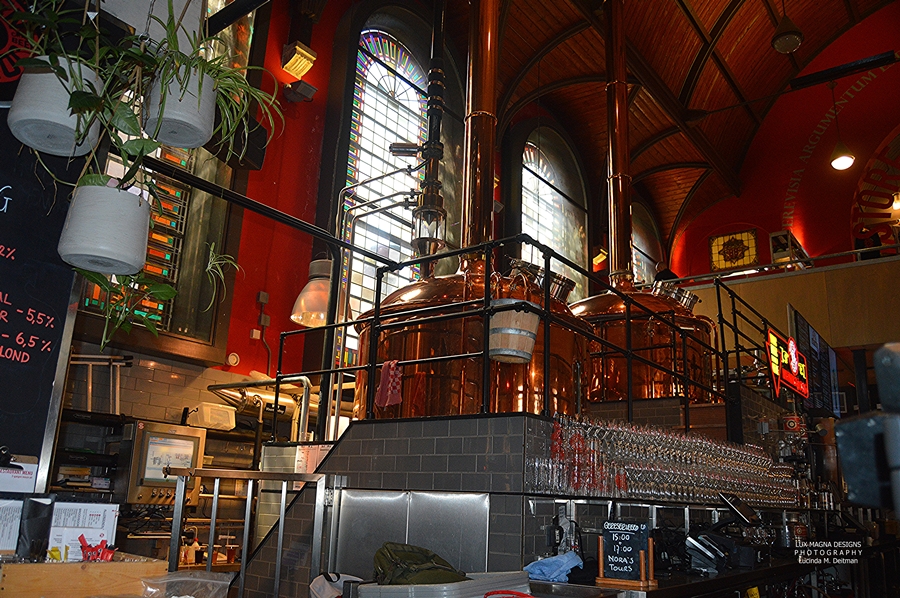
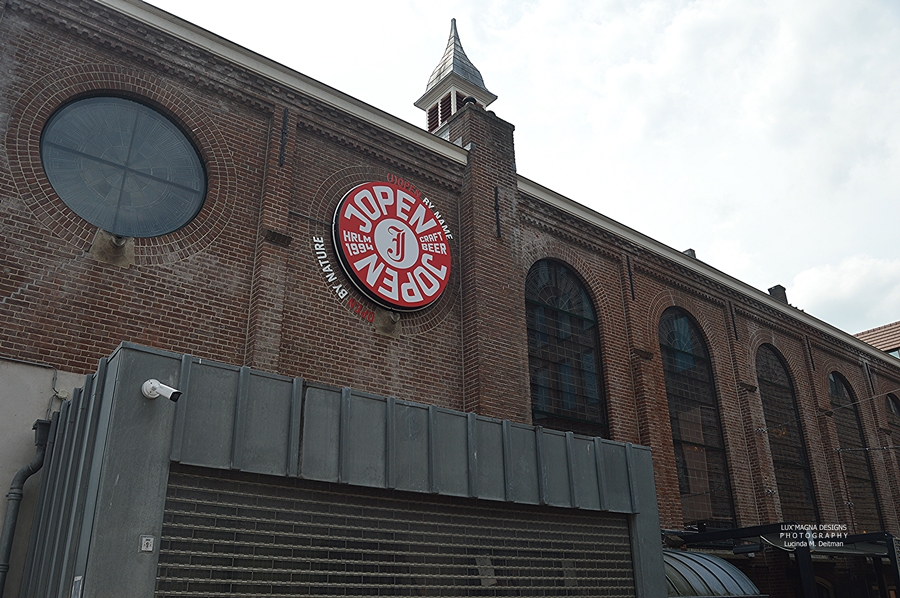
Jopenkerk is a unique establishment in Haarlem, near Amsterdam, that seamlessly blends history, architecture, and modern craft brewing. Originally built as a church, this striking building was repurposed into a restaurant and microbrewery, creating a fascinating contrast between its sacred past and its lively present. The name Jopen comes from the 112-liter wooden barrels historically used to transport beer, reflecting the deep brewing traditions of the region. The brewery itself was founded in 1994, reviving centuries-old recipes from Haarlem’s brewing history, including one dating back to 1407. Today, Jopenkerk is a vibrant hub where visitors can enjoy locally crafted beers while surrounded by the grandeur of its historic setting.
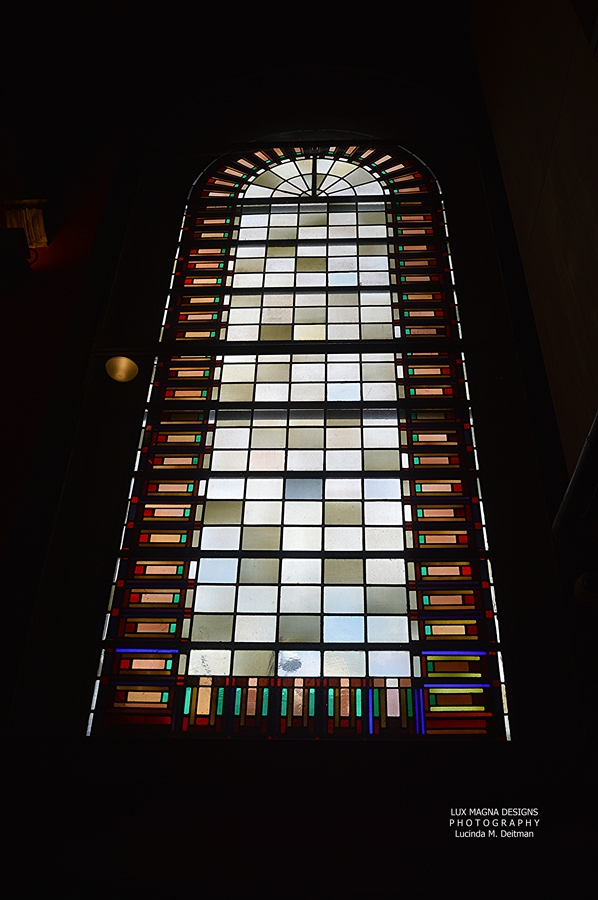
Architecturally, Jopenkerk retains much of its original church design, with its high ceilings, stained glass windows, and grand interior space. The brewery’s copper hop boilers are prominently displayed behind the bar, allowing guests to witness the brewing process firsthand. The restaurant area is elevated, creating a dynamic layout where diners can overlook the brewing operations below. The combination of traditional Gothic elements with modern industrial touches makes Jopenkerk one of the most visually stunning breweries in the Netherlands. In 2013, it was even awarded the title of “Best Looking Bar in the Netherlands”. Whether you’re drawn to its architectural beauty or its rich brewing heritage, Jopenkerk offers a truly immersive experience that bridges the past and present.
Amsterdam is a city known for its rich history, stunning canals, and breathtaking architecture. While many visitors flock to famous landmarks like the Anne Frank House or the Rijksmuseum, fewer explore the lesser-known yet equally fascinating Vredeskerk (Church of Peace). Located in the Rivierenbuurt district, this church is a masterpiece of religious architecture and a symbol of tranquility in the heart of the city.
A Brief History of Vredeskerk
Vredeskerk was built in the early 20th century, during a period of significant expansion in Amsterdam. Designed by architect Jos Bekkers, the church was completed in 1924 and consecrated shortly after. It was named “Vredeskerk” (Peace Church) in honor of the peaceful intentions of the Christian faith and as a response to the aftermath of World War I.
Over the decades, Vredeskerk has remained an active place of worship while also serving as a cultural and community hub. Despite changes in church attendance and religious practices in the Netherlands, this historic building continues to play a role in the spiritual and social life of Amsterdam.
Architectural Highlights
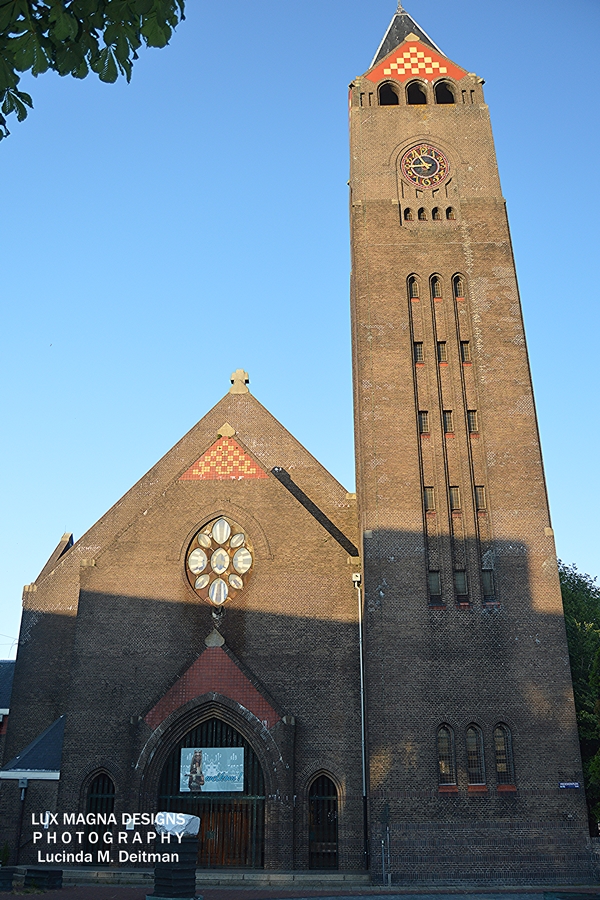
The Vredeskerk is a stunning example of early 20th-century religious architecture, blending elements of neo-Romanesque and Art Deco styles. Some of its most striking features include:
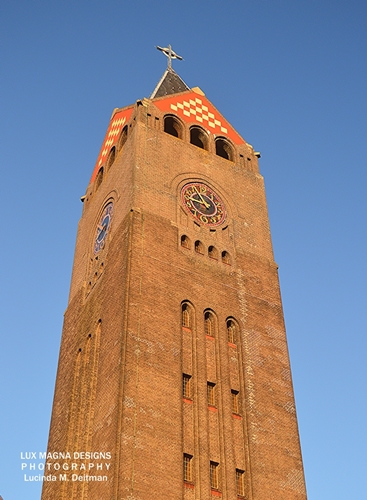
The Tower: The church’s tall, slender tower is one of its most defining elements, offering a striking contrast against the surrounding residential buildings.
Stained Glass Windows: The church boasts beautiful stained glass windows that depict religious scenes and symbols, bathing the interior in a soft, colorful glow.
Interior Details: Inside, the church is adorned with elegant woodwork, intricate stone carvings, and a majestic organ that adds to the serene ambiance.
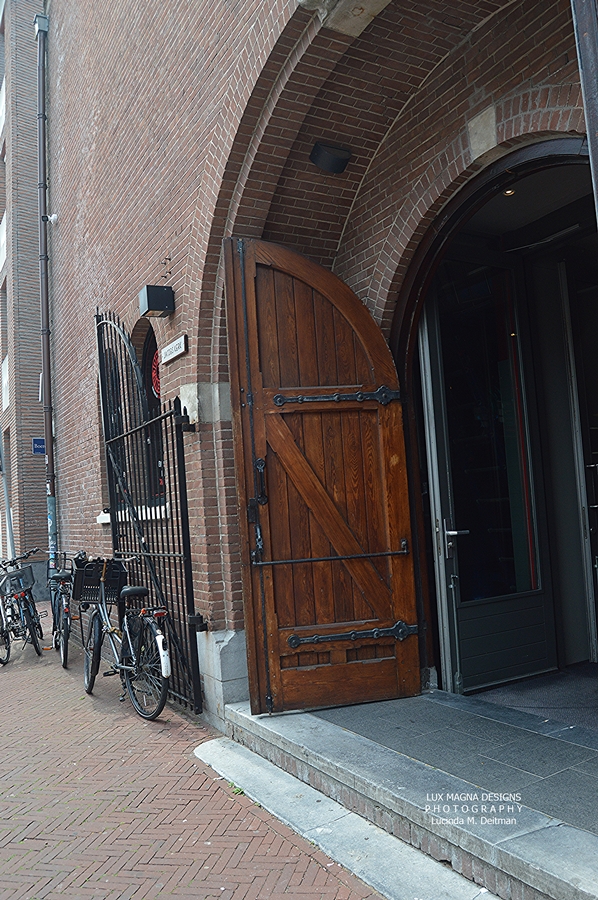
Brickwork and Facade: The use of red and brown bricks in the facade showcases the architectural style of the era and contributes to the building’s warm, inviting presence.
Photography Tips for Capturing Vredeskerk
For photography enthusiasts, Vredeskerk offers plenty of opportunities to capture stunning images. Here are a few tips to make the most of your visit:
Golden Hour Magic: Visit in the early morning or late afternoon to capture the church bathed in golden light, enhancing its intricate brickwork and textures.
Wide-Angle Perspective: Use a wide-angle lens to capture the full height of the tower and the church’s impressive facade.
Interior Shots: If you get the chance to step inside, bring a camera with good low-light capabilities to photograph the stunning stained glass windows and intricate architectural details.
Framing with Nature: Use trees, nearby lampposts, or surrounding buildings to frame your shots and add depth to your compositions.
Visit Vredeskerk
Whether you’re a history buff, an architecture lover, or a photographer looking for unique subjects, Vredeskerk is a must-visit in Amsterdam. It’s a peaceful retreat from the city’s bustling tourist spots, offering both beauty and a sense of history that makes it a hidden gem worth exploring.







































 Lux Magna Designs